Pakistan's national cricket squad has embarked on its journey to the T20 World Cup in Sri Lanka, but the team's participation is overshadowed by a contentious government directive to boycott their group stage match against co-hosts India. This decision has triggered a stern warning from the International Cricket Council (ICC), which has indicated that sanctions may follow, citing concerns over the integrity of the global sporting event.
Political Tensions Spill Onto the Cricket Field
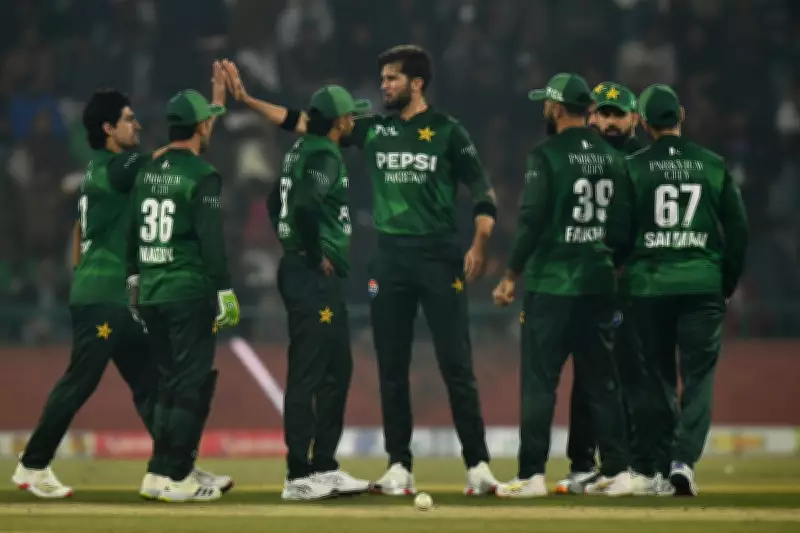
The cricketers were seen departing from Lahore, dressed in their new World Cup kit, as they boarded a bus to the airport in footage released by the Pakistan Cricket Board (PCB). Despite India co-hosting the tournament, Pakistan will play all its matches, including any potential knockout fixtures, in Sri Lanka due to the longstanding political animosity between the two nations. The government of Pakistan issued the boycott instruction via its official X account on Sunday, specifically targeting the group game against India scheduled for 15 February in Colombo, though no explicit reason was provided for this move.
ICC's Firm Stance on Selective Participation
The ICC has responded forcefully to Pakistan's decision, emphasising that such selective participation undermines the core principles of international cricket. In a statement, the governing body expressed that this action is "not in the interest of the global game or the welfare of fans worldwide, including millions in Pakistan." The PCB has reportedly not yet formally notified the ICC of this boycott, adding to the uncertainty surrounding potential repercussions.

Financial and Sporting Implications of the Boycott
Matches between Pakistan and India are among the most highly anticipated events in cricket, consistently drawing massive global audiences and generating significant revenue for broadcasters, sponsors, and the ICC itself. This rivalry is intensified by the fact that the two countries have not engaged in a bilateral cricket series for 14 years, largely due to political conflicts that include four wars and frequent border clashes. As a result, their encounters in ICC tournaments have become crucial fixtures, making this boycott particularly impactful.
Player and Official Reactions to the Controversy
Pakistan captain Salman Ali Agha confirmed that the team will comply with the government's instructions, stating after a 3-0 Twenty20 series win over Australia, "It's not our decision to boycott the India game, we can't do anything about it. We will do whatever our government and the PCB chairman say." Meanwhile, PCB chairman Mohsin Naqvi has criticised the ICC for what he describes as "double standards," pointing to the ICC's earlier decision to replace Bangladesh with Scotland in the tournament after Bangladesh's government prevented its team from travelling to India over security concerns.
Historical Context of Indo-Pak Cricket Relations
The strained political relations have previously manifested on the cricket field, with incidents such as Indian players refusing to shake hands with their Pakistani counterparts during Asia Cup games last year in the United Arab Emirates. In a notable episode, India later declined to accept the trophy from Naqvi, who also serves as the president of the Asian Cricket Council, highlighting the deep-seated tensions that continue to affect sporting diplomacy.
As the T20 World Cup prepares to kick off on Saturday, Pakistan is set to begin its campaign against the Netherlands, with a final warm-up match against Ireland scheduled for Wednesday in Colombo. The unfolding situation underscores the complex interplay between politics and sport, with the potential for ICC sanctions adding a layer of drama to Pakistan's World Cup journey.