Manchester United's Debt Crisis Deepens Under Sir Jim Ratcliffe's Ownership
The latest financial accounts from Manchester United have painted a stark and concerning picture of the club's economic health, revealing that the Red Devils' debt has continued to escalate dramatically despite stringent austerity measures implemented by minority owner Sir Jim Ratcliffe. The figures underscore a persistent financial strain that threatens to overshadow on-pitch ambitions.
Staggering Debt Figures Emerge in Club Accounts
According to the newly released financial statements, Manchester United's total borrowing now stands at an alarming £777 million. Of this substantial sum, a worrying £295 million is due for repayment within the next twelve months, highlighting immediate liquidity pressures. Additionally, the club faces a further £422 million in outstanding transfer fee instalments for player acquisitions, with £238 million of that amount also payable within the coming year.
When combined, these liabilities push Manchester United's overall debt burden to approximately £1.3 billion, a figure that raises serious questions about the club's long-term financial sustainability and strategic direction under its current ownership structure.

Ratcliffe's Cost-Cutting Fails to Stem the Tide
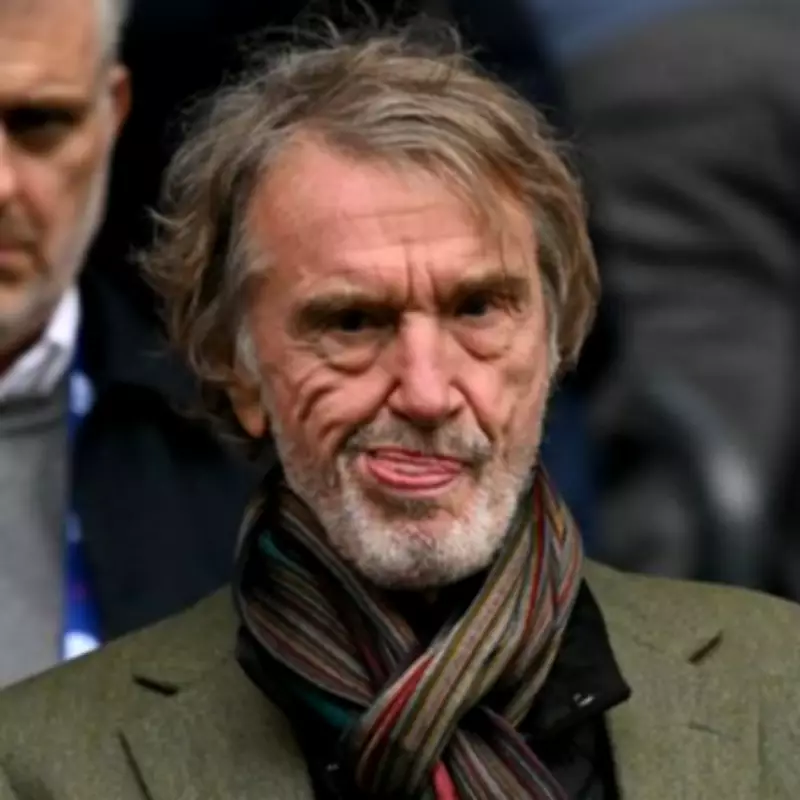
Sir Jim Ratcliffe, who acquired a significant stake in the club two years ago through his Ineos group, has embarked on a rigorous programme of cost reduction in an attempt to stabilise the finances. This has included two major rounds of redundancies across the organisation, as well as the slashing of various staff perks and benefits.
Despite these brutal and unpopular decisions, the debt has continued to climb, suggesting that deeper structural issues may be at play. Ratcliffe himself has acknowledged the personal toll of these measures, stating that the criticism and abuse directed at him have been unpleasant, though he remains committed to the task at hand for now.
Executive Commentary and Future Outlook
In response to the latest results, CEO Omar Berrada struck a cautiously optimistic note, emphasising the positive financial impacts of the club's off-pitch transformation. "We are now seeing the positive financial impact of our off-pitch transformation materialise both in our costs and profitability," Berrada commented. "We continue to take a football-first approach and today's results demonstrate the underlying strength of our business as we continue to push for the best football results possible for our men's and women's teams."
However, this rhetoric contrasts sharply with the raw numbers, which indicate a club grappling with immense financial obligations. The situation is further complicated by the club's current fourth-place standing in the Premier League, following a season that saw the sacking of manager Ruben Amorim and his replacement by Michael Carrick in January.
Ratcliffe's reflections on the challenges of ownership reveal a man under pressure, noting that while he can tolerate personal criticism, sustained abuse akin to that faced by the Glazer family would be untenable. "It's not nice, particularly for friends and family. So, eventually, if it reached the extent that the Glazer family have been abused, then I'd have to say, look, enough is enough guys, let somebody else do this," he admitted.
The financial revelations come at a critical juncture for Manchester United, as the club seeks to balance competitive aspirations with fiscal responsibility. With such a significant debt load and substantial short-term payments looming, the path forward remains fraught with uncertainty, demanding careful navigation from Ratcliffe and the executive team.