Rare 'Fried Egg' Error £1 Coin Fetches Over £300 at Auction
A rare £1 coin has been sold for an impressive £305.20, surpassing its face value by more than 300 times, thanks to a distinctive minting flaw known as the 'fried egg error'. The 2018 coin, which features Queen Elizabeth II and the Nations of the Crown design, was auctioned on Friday 20 February, attracting significant interest from numismatists and enthusiasts.
Understanding the 'Fried Egg' Defect
The unusual error occurs in bi-metallic coins, such as the £1 and £2 denominations, where the silver-coloured inner disk appears to 'leak' outwards from the centre. This visual effect resembles the yolk of a runny egg, hence the nickname 'fried egg error'. In its listing, the coin was described as a "unique collectible", with the imperfection greatly enhancing its value and desirability among collectors.
The auction listing detailed: "Here we have a rare 2018 £1 coin from the United Kingdom with an offset centre design, also known as a 'fried egg' error coin. This coin is in circulated condition. The error design adds a unique and collectible element to this coin, making it a sought-after item for numismatists and enthusiasts alike."

Historical Context of the £1 Coin
The £1 coin was first introduced in April 1983, replacing the £1 note. Designed for easy identification, it was thicker than other coins and had a distinctive 'yellow' colour to stand out from the cupro-nickel 'silver' coins in circulation. Over the years, several variations have been issued. In 2017, the traditional round £1 coin was replaced with a new 12-sided version.
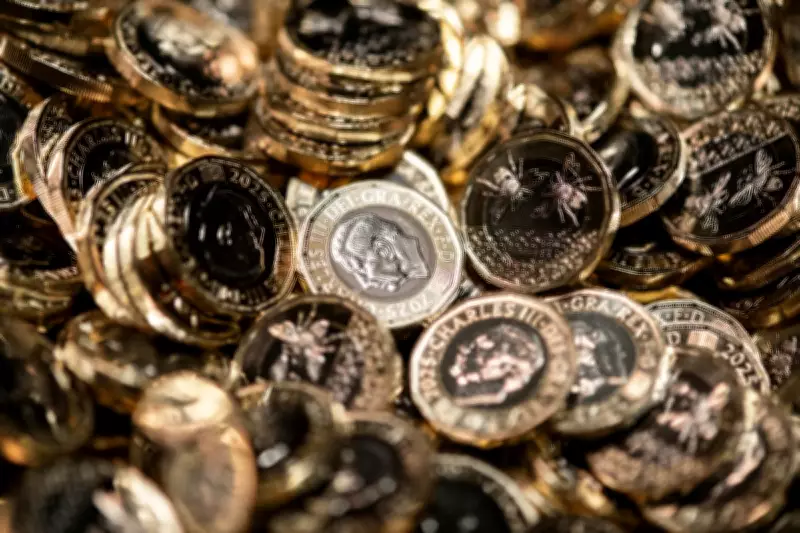
More recently, in August 2025, the first £1 coins featuring an official portrait of King Charles III entered circulation. This initial release included 7.5 million coins with a bee design on the reverse, alongside 23.29 million of the final £1 coins bearing Queen Elizabeth II's image.
Collector Interest and Market Value
The sale of this error coin highlights the growing market for rare and defective currency. One keen bidder secured the coin for £305.20, demonstrating how minting errors can transform ordinary coins into valuable collectibles. This trend is not isolated; for instance, an Edward VIII coin previously sold for £1 million, underscoring the high stakes in numismatics.
Collectors often seek out such errors due to their rarity and the unique stories they tell about the minting process. The 'fried egg error' is particularly prized for its visual distinctiveness and the technical insight it provides into coin production.