Sir Jim Ratcliffe's Two-Year Countdown to Transform Manchester United's Fortunes
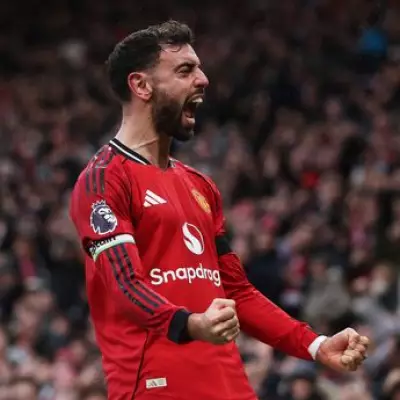
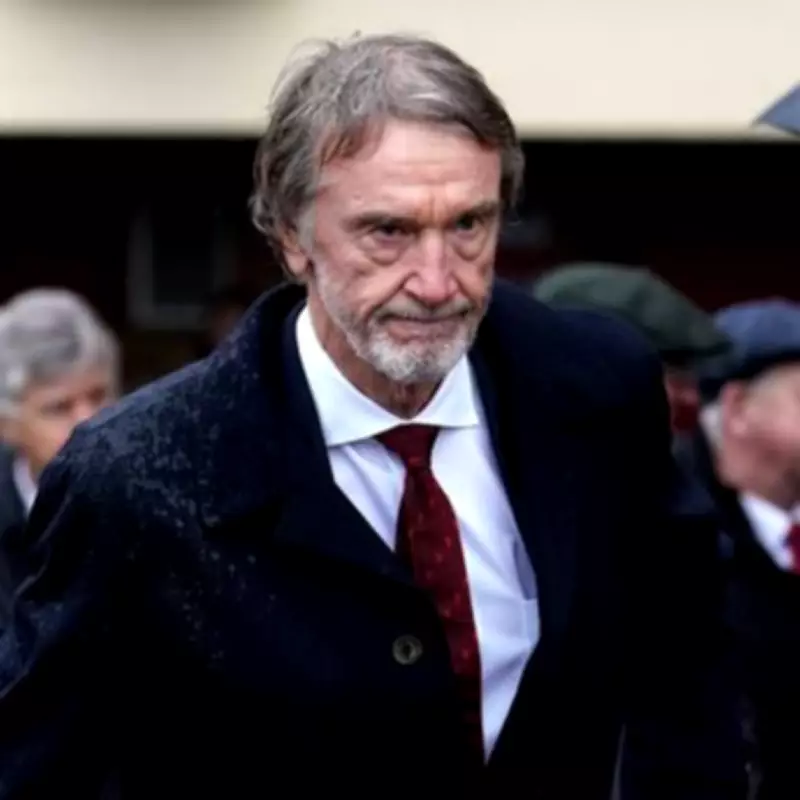
Sir Jim Ratcliffe, the co-owner of Manchester United, has just two years remaining to deliver on his ambitious promise to transform the club into the world's most profitable football entity. The 2028 target, set by the INEOS billionaire, appears increasingly challenging as United grapples with financial pressures and a significant revenue gap compared to its European rivals.
United's Financial Standing in Global Football
The scale of Ratcliffe's task became starkly apparent in January when Deloitte published its annual Football Money League rankings. Manchester United slipped four positions to seventh place, generating £666 million in revenue. This placed them behind Arsenal, Manchester City, Liverpool, Paris Saint-Germain, Bayern Munich, Barcelona, and leaders Real Madrid, who topped the table with £975 million.
This decline highlights the considerable ground United must cover to achieve Ratcliffe's vision of becoming the world's most profitable club within the next twenty-four months.

Ratcliffe's Controversial First Year and Cost-Cutting Measures
Speaking candidly to The Times on March 11, 2025, Ratcliffe reflected on his first year as co-owner, addressing numerous contentious issues. These included the dismissal of manager Erik ten Hag, controversial reductions in organisational expenditure, and his initial support for Ruben Amorim, who was subsequently sacked earlier this year.
"It will be a very profitable club," Ratcliffe declared while discussing United's precarious financial situation. "We believe that in three years' time it will be the most profitable football club in the world. And it will be in a very, very different place. But we need to go through the change. Nobody likes change."
Change has indeed swept through Old Trafford under Ratcliffe's stewardship. Since acquiring a 27.7 percent stake in the club for £1 billion in February 2024, he has implemented drastic cost-cutting measures. These include:
- Eliminating up to 450 jobs at the club
- Scrapping free meals for staff members
- Increasing match-day ticket prices to £66 per game with no discounts for children or pensioners
Ratcliffe justified these harsh measures by stating, "The costs were just too high. There are some fantastic people at Manchester United, but there was also a level of mediocrity and it had become bloated."
Financial Challenges and Debt Concerns
Despite the men's team missing out on European football this season, United managed to post an operating profit of £32.6 million in the first six months of the fiscal year, compared with a £3.9 million loss for the same period last year. The most recent quarter showed an operating profit of £19.6 million, up from £3.1 million during the same period last year.
However, these positive indicators are overshadowed by significant financial obligations. Recent financial documents reveal that the club faces:
- Repayments of £295 million in borrowings within twelve months
- £238 million in transfer fees due within the same period
- Potential additional compensation payments to the dismissed Ruben Amorim
Second-quarter figures indicate that United's debt is approaching the £1.3 billion mark, creating a substantial financial burden as Ratcliffe pursues his profitability goals.
Ambitious Stadium Plans and Future Vision
Ratcliffe's vision extends beyond immediate financial restructuring to long-term infrastructure development. The co-owner plans to construct a new 100,000-capacity stadium, with completion targeted for the 2030/31 season. This ambitious project is projected to cost approximately £2 billion, though financing arrangements remain uncertain.
In October 2025, Ratcliffe reiterated his confidence in United's future, stating, "Those numbers will get better. Manchester United will become the most profitable football club in the world, in my view, and from that will stem, I hope, a long-term, sustainable, high-level of football."
The co-owner also expressed confidence that 'Mission 21' – the club's initiative to secure their 21st top-flight title – would be achieved in time for United's 150th anniversary in 2028.

As the clock ticks toward his self-imposed 2028 deadline, Ratcliffe faces the dual challenge of implementing unpopular cost-cutting measures while simultaneously investing in the club's future. With a £300 million revenue gap separating United from Real Madrid and significant debt obligations looming, the next two years will determine whether Ratcliffe's bold vision can become reality or remains an unfulfilled promise.