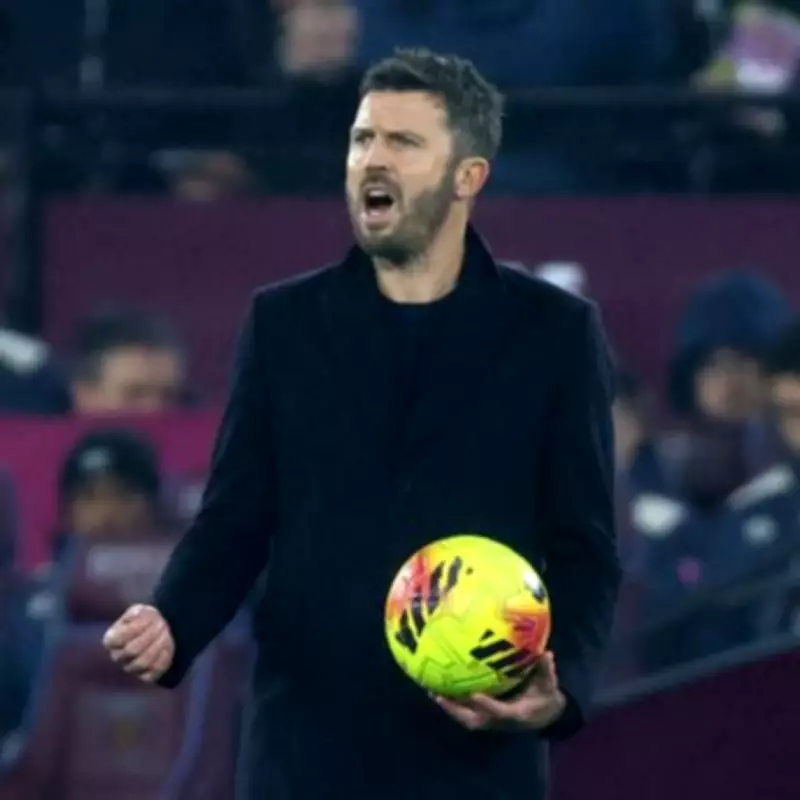
Michael Carrick's Tactical Shift Sparks Manchester United Revival
Since his return to Manchester United as interim head coach, Michael Carrick has orchestrated a remarkable transformation at Old Trafford. The Red Devils have secured five victories from their opening six matches under his guidance, amassing 16 points from a possible 18 in the Premier League. This impressive run has propelled United to fourth place in the standings, just three points behind third-placed Aston Villa and firmly in contention for Champions League qualification.
Strategic Overhaul On and Off the Pitch
Carrick has implemented significant changes both tactically and in his management approach. On the field, he has reorganised the previously inflexible 3-4-3 system employed by his predecessor Ruben Amorim, reinstating promising midfielder Kobbie Mainoo to the starting lineup. These adjustments have brought greater fluidity and effectiveness to United's play.
Perhaps more importantly, Carrick has introduced crucial modifications to the club's training and recovery protocols. He has abandoned the requirement for players to train the day after matches, a policy maintained by both Erik ten Hag and Amorim. Instead, Carrick has implemented designated rest days within 24 hours of fixtures, with recovery sessions now scheduled two days following the final whistle.

The 'Unwritten Return' from Players
This compassionate approach has resonated deeply with the squad. According to reports, players have appreciated the opportunity to momentarily enjoy positive results before returning to work with renewed focus. The decision reflects Carrick's understanding of player welfare and represents a departure from what some perceived as a lack of empathy under previous managers.
"The players look at it and go: 'He cares about my life,'" one source revealed. "And you just know automatically you get an unwritten return on that." This unwritten return refers to the increased loyalty, commitment, and performance levels players are delivering in response to Carrick's considerate management style.
Post-Match Communication Strategy
Another significant change involves Carrick's approach to post-match communication. Unlike Amorim, who rarely addressed players immediately after games, Carrick makes a deliberate effort to speak with his squad in the changing room. While reserving detailed analysis for subsequent days, he provides immediate feedback, with certain comments delivered on an individual basis.
This direct communication has helped foster stronger relationships between coach and players, creating an environment where feedback is valued and implemented. The combination of tactical adjustments, improved recovery protocols, and enhanced communication has created a positive atmosphere at Carrington.
Looking Ahead to Continued Success
As Manchester United prepare to welcome Crystal Palace to Old Trafford, Carrick expressed satisfaction with the team's progress. "I think we're in a good place," he stated during his pre-match press conference. "In some ways, we've made big strides, winning games that we might not have won at other times, played some good football at times, things to improve at times, defending really, really well a lot of the time, and keeping clean sheets."
The interim boss added: "Certainly, there's so many layers of levels that we feel we can get to as a group. So we'll just keep pushing for that." With victory against Palace, United could leapfrog Aston Villa into third place, further strengthening their Champions League aspirations.
Carrick's tenure, though initially viewed as temporary, has demonstrated how thoughtful management decisions can yield significant performance improvements. By balancing tactical expertise with genuine concern for player welfare, he has unlocked potential within a squad that previously underperformed, proving that sometimes the most impactful changes are those that address both professional and personal needs.