Iran's World Cup Future Hangs in the Balance as Geopolitical Storm Brews
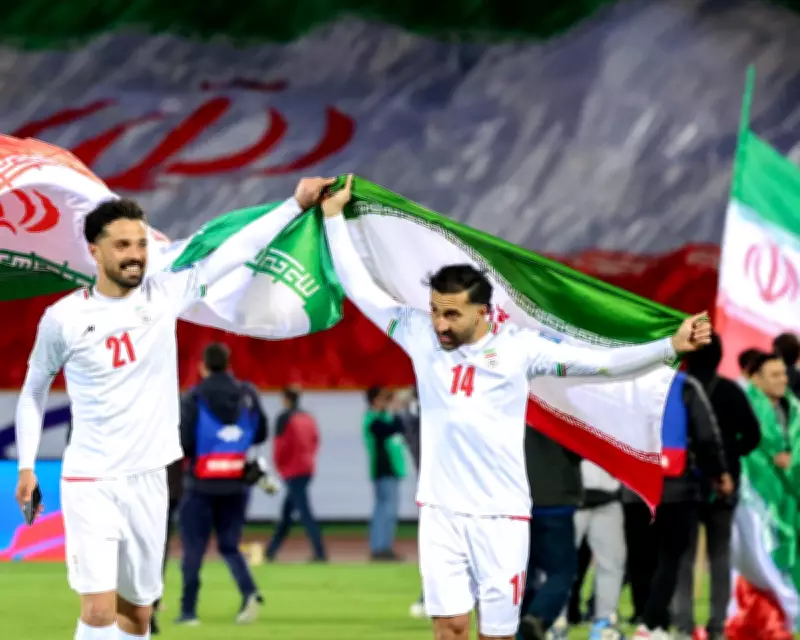
As the clock ticks down to just 100 days before their scheduled opening match in the 2026 World Cup, Iran's participation in the prestigious football tournament appears increasingly improbable. The team's Group G fixture against New Zealand in Inglewood, California, now stands as a symbol of the complex geopolitical forces threatening to disrupt the global sporting event.
A Tournament Shadowed by Conflict
The escalating tensions between the United States and Iran, coupled with Iran's military engagements with several other qualified nations, have created what many observers describe as an insurmountable barrier to Iranian participation. This potential withdrawal would mark the first time since 1950 that a qualified nation has failed to take its place in the tournament for political reasons.
The historical parallels are striking yet superficial. While India and France withdrew from the 1950 tournament for logistical and financial reasons rather than political ones, the current situation more closely resembles the turbulent tournaments of 1938 and 1974. Those competitions unfolded against backdrops of global conflict, economic uncertainty, and political upheaval that threatened to overwhelm the sporting spectacle.

Echoes of Past World Cup Turmoil
The 1938 tournament in France occurred as Europe teetered on the brink of war. Only fifteen teams participated instead of the planned sixteen after Austria was absorbed into Nazi Germany. Spain's civil war prevented their qualification, while Japan withdrew following its invasion of China. The tournament became a stage for political demonstrations, with Italy's fascist regime using their successful title defense as propaganda.
Thirty-six years later, the 1974 World Cup in West Germany unfolded amid equally challenging circumstances. The tournament followed the Yom Kippur War, the OPEC oil embargo that quadrupled petroleum prices, and the aftermath of the Munich Olympics terrorist attack. The Soviet Union effectively disqualified themselves by refusing to play in Chile's Estadio Nacional following Pinochet's coup. West Germany's players threatened to strike over pay disputes, while the nation remained on high alert for potential terrorist attacks.
A New Era of Disruption
The current geopolitical landscape presents unique challenges for the 2026 tournament. At least four other qualified nations are directly involved in conflicts with Iran, creating unprecedented diplomatic complications. The United States, as primary host, finds itself embroiled in Middle Eastern tensions while simultaneously threatening the territorial integrity of potential qualifiers through its interest in Greenland.
The relationship between FIFA leadership and American political figures adds another layer of complexity to an already volatile situation. Unlike previous tournaments where external forces threatened to disrupt proceedings, this time the most potentially disruptive element comes from within the hosting nation's leadership structure.
The Broader Implications
World Cups have historically served as microcosms of global politics, reflecting the tensions and alliances of their eras. The beautiful game has repeatedly demonstrated its resilience in the face of political storms, but the current confluence of factors presents perhaps the greatest challenge yet to the tournament's integrity.
As society approaches what many perceive as an inflection point, with traditional political parties facing mounting frustration and global conflicts intensifying, the World Cup finds itself caught in a perfect storm. The threat of Iranian-sponsored terrorism, cartel violence in Mexico, and the general atmosphere of international tension create security concerns that dwarf those of previous tournaments.
While football has weathered political crises before, the unique combination of factors surrounding the 2026 tournament makes it difficult to envision an outcome where the competition emerges unscathed. The beautiful game once again finds itself at the intersection of sport and global politics, with Iran's potential withdrawal serving as the most visible symptom of deeper systemic challenges.