Morocco's AFCON Title Awarded Off-Field as Senegal's On-Pitch Victory Overturned
Morocco AFCON Title Awarded Off-Field After Senegal Win Overturned

CAF's Controversial Decision Overturns Senegal's AFCON Victory

The Confederation of African Football's Appeal Board has made a stunning and highly controversial ruling, overturning the result of the 2025 Africa Cup of Nations Final. Senegal's hard-fought 1-0 extra-time victory over Morocco has been officially transformed into a 3-0 defeat, awarding the championship to Morocco through administrative decision rather than on-field performance.

The Night of Confusion and Celebration

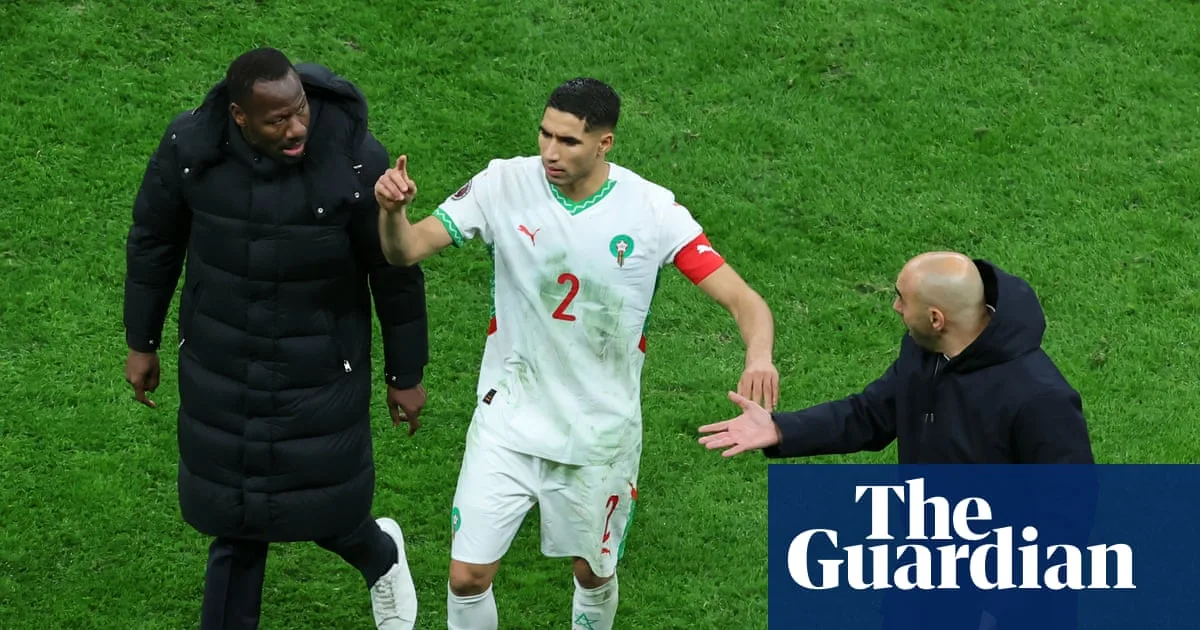
Moroccan star Achraf Hakimi experienced a remarkable Tuesday evening, delivering an outstanding performance in Paris Saint-Germain's Champions League victory over Chelsea at Stamford Bridge. Simultaneously, he learned through teammates that his national team had been awarded the AFCON title through CAF's unprecedented decision. Reports suggest Hakimi initially disbelieved the news, questioning why CAF would bring its premier tournament into such disrepute.

The football world now faces a fundamental question: can administrative rulings truly override what transpired on the pitch during 120 minutes of competitive football?

Senegal's Rightful Claim to the Trophy

Despite the official ruling, Senegal maintains they are the legitimate champions, refusing to return the AFCON trophy and publicly condemning what they describe as "corrupt" decision-making by CAF officials. The Senegalese football federation is now taking their case to the Court of Arbitration for Sport, where legal experts suggest they have a strong chance of success.

The controversy stems from Senegal's players briefly walking off the pitch during the final in Rabat, protesting a late penalty decision awarded to Morocco. According to CAF regulations, this unauthorized departure should have resulted in an immediate forfeit. However, crucially, these rules were not enforced at the time by match officials.

Key elements of the controversy include:
  • Senegal players returned to the pitch after approximately ten minutes
  • Morocco accepted their return and proceeded with the penalty
  • The penalty was missed, and the game continued into extra time
  • Senegal scored the winning goal during extra time
  • CAF officials took no immediate action regarding the walk-off

A Tournament Marred by Late Controversy

AFCON 2025 had been widely praised as an excellent tournament showcasing improving technical standards and competitive drama. The final, however, descended into controversy beyond the walk-off incident. Violence in the stadium and Hakimi's own attempt to deprive Senegal goalkeeper Edouard Mendy of using a towel during the penalty added to the chaotic atmosphere.

Throughout the tournament, Senegal demonstrated they were arguably the best team, displaying consistency and quality across multiple matches. Their walk-off protest, while deserving of censure, occurred in response to what they perceived as an unjust penalty decision in the dying moments of regulation time.

The Football World's Perspective

Regardless of legal proceedings and administrative rulings, the global football community recognizes Senegal as the true champions. A complete match was played under the supervision of match officials, and Senegal emerged victorious through legitimate footballing means. The retrospective application of regulations that could have been enforced during the match represents a fundamental flaw in CAF's decision-making process.

Football honors should be won on the field of play, not in appeal rooms or administrative offices. This principle remains central to the sport's integrity, making CAF's decision particularly damaging to African football's reputation.

While the Court of Arbitration for Sport may ultimately rule on the technicalities of regulation application, the reality remains clear to anyone who witnessed the match: Senegal won the 2025 AFCON final through footballing merit. The administrative reversal cannot change what millions saw unfold during those 120 minutes in Rabat.