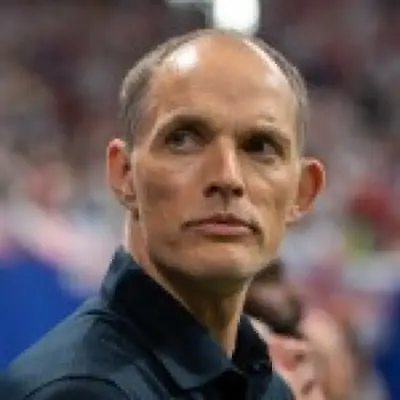
Sweeping transformations are underway at Manchester United, with interim head coach Michael Carrick's brief tenure already making a significant impact. The club's recent surge in form has reignited their pursuit of a top-four finish in the Premier League, positioning Carrick as a strong candidate for the permanent managerial role.
Rashford's Barcelona Agreement Reached
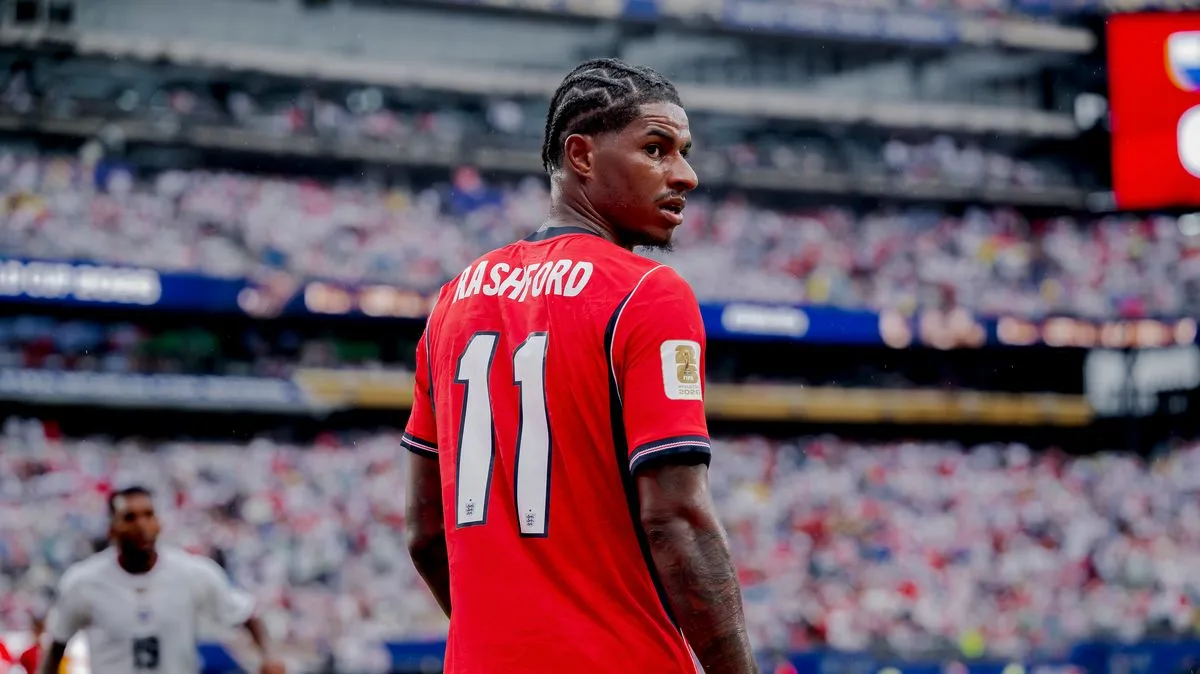
Marcus Rashford has reportedly agreed personal terms with Barcelona ahead of a proposed permanent move to the Camp Nou. The forward, currently on loan from Manchester United, has expressed a clear desire to extend his stay in Spain beyond the summer.
The existing loan agreement includes a £26 million option to buy, a figure Barcelona are prepared to meet. However, negotiations initially stalled over Rashford's salary demands. The 28-year-old currently earns approximately £325,000 per week at Old Trafford, a sum Barcelona were unwilling to match.
It is now understood that Rashford has consented to a substantial pay cut to facilitate what he views as a dream transfer. Since joining La Liga, he has impressed with 10 goals and 13 assists in 35 appearances across all competitions.
Following the departure of former manager Ruben Amorim, whose strained relationship with Rashford led to the player's loan spells, there was speculation about a potential reintegration at United this summer. With personal terms now effectively settled, any prospect of Rashford returning to Old Trafford appears increasingly unlikely.
Carrick's Crucial Coaching Changes
Michael Carrick is already reaping the rewards of reshaping his backroom team at Manchester United. Since assuming control in January, the former Middlesbrough manager has implemented a series of decisive changes aimed at addressing the shortcomings of Amorim's tenure.
Injection of Experience and Authority
Central to this overhaul has been the introduction of experience and authority into the coaching staff. The arrival of Steve Holland has proven particularly influential, with the former Chelsea and England assistant widely credited for restoring tactical clarity and defensive organisation.
Carrick has also relied on figures with deep knowledge of both English football and the club itself. Jonathan Woodgate, Jonny Evans, Travis Binnion, and Craig Mawson have all played pivotal roles behind the scenes during United's resurgence.
Tactical Shifts and Player Integration
On the pitch, Carrick's willingness to abandon Amorim's much-debated 3-4-2-1 system in favour of a more orthodox 4-2-3-1 formation has been warmly received. This tactical adjustment has provided greater stability and coherence in United's play.
The decision to reintegrate Kobbie Mainoo into the first team has also drawn praise, highlighting Carrick's focus on nurturing young talent. His calm and measured demeanour has fostered a positive atmosphere within the squad.
In contrast, Amorim's regime was perceived as more rigid, with staff often hesitant to challenge the Portuguese coach and typically waiting for him to finish speaking before offering input. The more open and collaborative environment cultivated by Carrick appears to have resonated with players and staff alike, with the team's improved results reflecting this cultural shift.
Since Carrick stepped in following Amorim's dismissal, Manchester United have rediscovered a sense of stability, confidence, and tactical clarity. Statement victories over Manchester City and Arsenal set an early tone, and the team has since displayed a level of consistency rarely seen in recent seasons.
While there have been minor setbacks, few can find serious fault with Carrick's opening month in charge. The 44-year-old may only be contracted until the end of the campaign, but the club's longer-term vision is already taking shape under his stewardship, positioning United for a stronger future.