Liam Rosenior's Chelsea Departure Unveils BlueCo's Troubled Regime
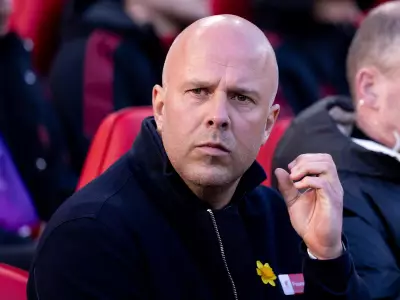
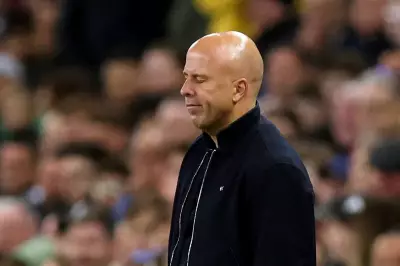
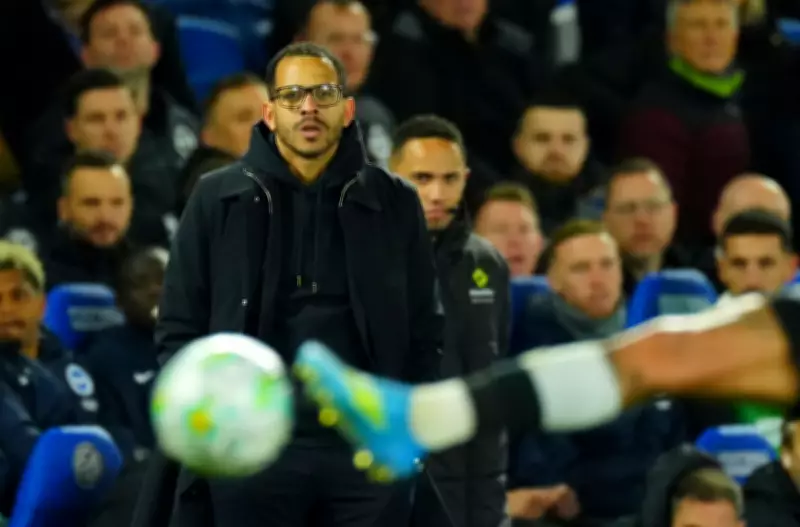
Liam Rosenior observed from the sidelines as Chelsea suffered a decisive defeat to Brighton, a moment captured in a photograph that symbolised his fleeting tenure. This image underscores the turmoil within the club under its current ownership.
The Bizarre Sacking and BlueCo's Unconventional Approach
Rosenior's exit from Chelsea, merely three and a half months into a contract extending to 2032, marks a stark example of BlueCo's erratic decision-making. The novice coach, though clearly mismatched for the role, is not solely to blame; this episode serves as a cautionary tale that billionaire owners are not infallible in football matters.
The announcement of his sacking emerged amidst reports of executive meetings at Chelsea, a move that defies conventional business wisdom where such gatherings often hinder progress. However, this reflects the alpha-dog culture prevalent among BlueCo's leadership, where decisive actions are prioritised over thoughtful deliberation.

Assessing Rosenior's Role and Future Prospects
Critics have argued that Rosenior was not up to the job, but in reality, no manager could thrive in such a dysfunctional environment. His youth and intelligence remain assets, offering him opportunities to pursue ventures like corporate wellbeing or further coaching development in more stable settings.
Rosenior's candid post-match interview after the loss to Brighton revealed his distress at being part of a brittle project, akin to a man trapped in a futile struggle. This honesty highlights his potential, yet he became another casualty in BlueCo's era, a regime so peculiar it resembles a public art installation critiquing corporate emptiness.
BlueCo's Destructive Strategy and Wider Implications
Todd Boehly, a key figure in Chelsea's ownership, has been instrumental in the club's slide into dysfunction. BlueCo's approach involves tearing down traditional structures in pursuit of super profits, with Boehly envisioning the Premier League as a global tech platform rather than a football-centric entity.
This strategy has led to a team devoid of grit and identity, described as a ChatGPT version of sport—lacking balance, intelligence, and human qualities. The ownership's belief in interchangeable managers, based on flawed data, ignores the proven impact of leaders like Jürgen Klopp and Pep Guardiola.
The Emptiness of Modern Football and Chelsea's Legacy
Beyond mere incompetence, BlueCo Chelsea embodies a chilling emptiness, hollowing out the cultural connections that define football. The club's focus on monetisation and branding, exemplified by luxury projects in Dubai, risks alienating fans and eroding the sport's soul.
In the short term, Chelsea's issues seem unfixable unless ownership acknowledges its ignorance and reintegrates football expertise. This scenario reflects late-American capitalism's excesses, where arrogance and isolation prevail, potentially leaving a mess behind while profits are secured.
Ultimately, Rosenior's departure is a microcosm of broader trends in football, where drift and commodification threaten to undermine the sport's enduring appeal. The lesson is clear: without genuine football knowledge, even the wealthiest projects are doomed to fail.