Football Lawmakers Expand VAR's Controversial Reach
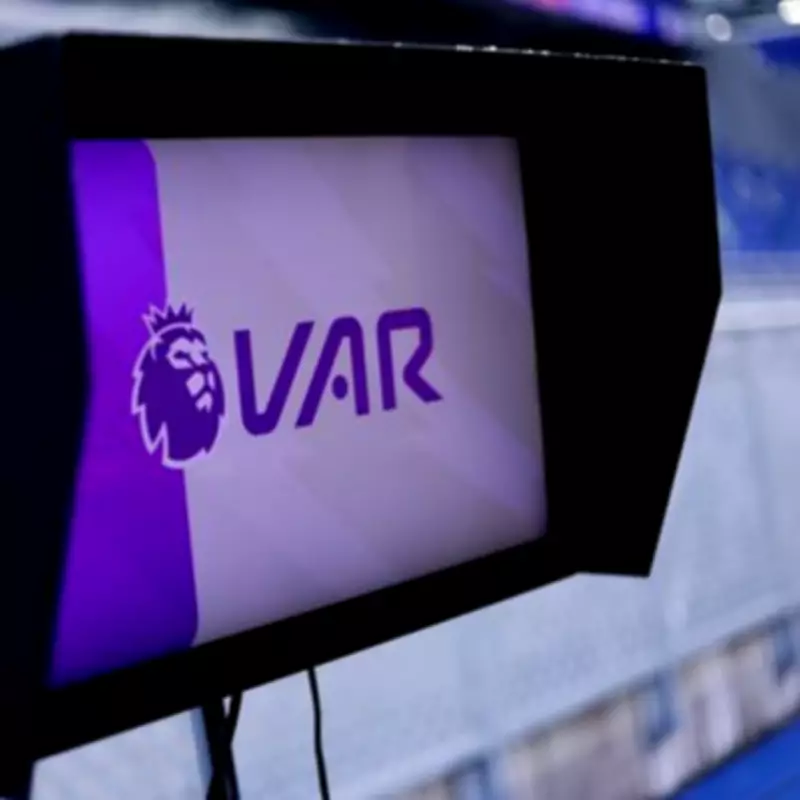
The video assistant referee system is set to wield even greater influence over football matches from next season, following a series of contentious decisions by the sport's governing rulemakers. The International Football Association Board (IFAB) has voted to significantly increase VAR's scope of intervention, despite ongoing debates and flashpoints surrounding its implementation.
Extended VAR Protocol and New Time-Wasting Measures
From this summer, competitions will have the option to utilize VAR for checking corner kick decisions, marking a notable expansion of the technology's remit. Furthermore, the core VAR protocol has been formally widened to encompass second yellow card incidents and situations where cards are incorrectly awarded to the wrong team.
In parallel moves aimed at maintaining match tempo, IFAB has approved a comprehensive package of measures designed to counter deliberate time-wasting tactics. Encouraged by the successful introduction of the eight-second rule for goalkeepers, lawmakers are implementing stricter controls.

Referees will now be empowered to initiate a five-second countdown when they deem players are taking excessive time over throw-ins and dead-ball goal kicks. Additionally, substitutions must be completed within a strict ten-second window; failure to comply will result in the substitute being required to remain off the pitch for at least one minute.
Injury Stoppages and Implementation Timeline
Another significant change mandates that any player whose injury causes a stoppage in play must leave the field for a minimum of one minute. This decision comes after the Premier League's trial of a thirty-second period was deemed insufficient as a deterrent by some IFAB members. Other competitions, including last year's Arab Cup, had experimented with even longer two-minute periods.
The overarching objective of these new regulations is twofold: to preserve the flow and tempo of matches while simultaneously reducing the amount of stoppage time that needs to be added. This addresses concerns from multiple stakeholders, including player welfare advocates, supporters, and broadcasters with tight scheduling constraints.
All changes ratified during IFAB's annual general meeting in Wales will officially become part of the Laws of the Game from July 1st. However, they are scheduled to be adopted earlier, during this summer's World Cup, which commences on June 11th.
Specific VAR Parameters and Future Consultations
IFAB has stipulated clear boundaries for the new VAR interventions. Checks on corner kicks must not delay the taking of the kick and should only be used to identify obvious errors. Importantly, such checks remain an optional component of the VAR protocol rather than a mandatory requirement.
Regarding disciplinary actions, VARs will only review incorrectly awarded second yellow cards. They will not have the authority to advise referees to issue a second yellow card where one was not originally shown on the field of play.
Looking ahead, IFAB has announced plans for further consultations to develop measures addressing specific behavioral issues. These include situations where players leave the pitch as a protest against a referee's decision, instances where team officials instigate such actions, and cases where players cover their mouths when confronting opponents during matches.
This focus follows high-profile incidents, such as the delayed Africa Cup of Nations final due to a Senegal walk-off, and the alleged racial abuse case involving Benfica's Gianluca Prestianni and Real Madrid's Vinicius Junior during a Champions League match, where the accused player's mouth was covered by his shirt. UEFA is currently investigating that incident, which Prestianni denies.
In related developments, IFAB has also agreed to conduct trials aimed at further assessing goalkeeper tactical injury delays and proposing effective deterrents for such behavior, indicating that the evolution of football's rules remains an ongoing process.