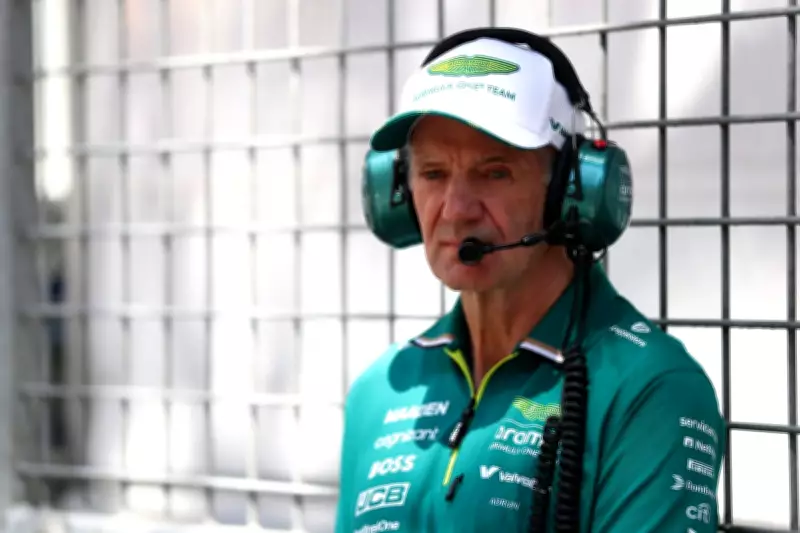
Aston Martin's Shocking Nerve Damage Warning Rocks F1 Season Opener
Aston Martin has sent shockwaves through the Formula 1 world by revealing their drivers face potential permanent nerve damage during the Australian Grand Prix. Team principal Adrian Newey delivered the alarming revelation in Melbourne ahead of the 2026 season opener, confirming both Fernando Alonso and Lance Stroll face serious health risks during extended driving stints.
Strict Lap Limits Imposed for Driver Safety
The team has established strict lap limits to protect their drivers from lasting harm. Spanish veteran Fernando Alonso, 44, cannot exceed 25 consecutive laps before risking permanent damage to his hands. His younger teammate, Canadian Lance Stroll, 27, faces an even stricter 15-lap limit due to the same concerning issue.
This dramatic safety concern has raised serious questions about Aston Martin's competitiveness despite massive investment from billionaire owner Lawrence Stroll and the high-profile hiring of design guru Adrian Newey from Red Bull last year.

The Root Cause: Debilitating Car Vibrations
The problem stems from severe vibrations affecting the AMR26 car. Stroll described the sensation as "like electrocuting yourself in a chair," while Newey explained the vibrations transmit directly into drivers' fingers during operation.
During a media session in Melbourne, Newey detailed additional reliability problems caused by the vibrations, including mirrors and tail lights falling off the car. However, he emphasized the driver safety issue represents the most significant concern.
"Fernando is of the feeling that he can't do more than 25 laps consecutively before he risks permanent nerve damage to his hands," Newey stated. "Lance is of the opinion that you can't do more than 15 laps before that threshold."Driver Reactions and Team Optimism
Despite the alarming warning, two-time world champion Alonso attempted to downplay concerns. While acknowledging the vibrations cause numbness in hands and feet after 20-25 minutes, he suggested adrenaline could overcome the discomfort during competitive racing.
"It's not painful, not difficult to control the car," Alonso explained. "The adrenaline is just way higher than any pain. If we were fighting for wins, we can do three hours in the car."
Nevertheless, the Spanish driver acknowledged the unknown long-term consequences of continued exposure, stating "a solution has to be implemented" for safety reasons.
Technical Challenges and Season Outlook
The vibration issues appear connected to Aston Martin's new power unit partnership with Honda, following their split from Mercedes. The team endured a troubled pre-season testing period, completing only limited laps due to engine-related problems.
Newey admitted the team faces severe restrictions during Sunday's 58-lap race and may struggle to complete the full distance. However, he maintained optimism about the car's underlying potential, rating the chassis as fifth-best on the grid and targeting qualification for Q3 on Saturday.
"I believe that the car has huge tremendous development potential in it," Newey insisted. "We've got quite an aggressive development plan underway. So I think it's fair to say that here in Melbourne we are a bit behind the leaders, but with the potential to be upfront at some point in the season."
Strategic Implications for Australian Grand Prix
The revelation has forced Aston Martin to reconsider their race strategy entirely. Reports suggest the team might withdraw their cars in the opening laps or implement multiple pit stops to respect the strict lap limits for driver safety.
This development represents a significant setback for a team that completely changed its design philosophy under Newey's leadership, forcing them to play catch-up with rivals who began aerodynamic development months earlier.
As the F1 season begins under these unprecedented safety concerns, all eyes will be on how Aston Martin manages the delicate balance between competitive racing and protecting their drivers from potentially permanent injury.