F1 2026 Rules Revolution: Overtake Mode, Active Aero and New Power Units Explained
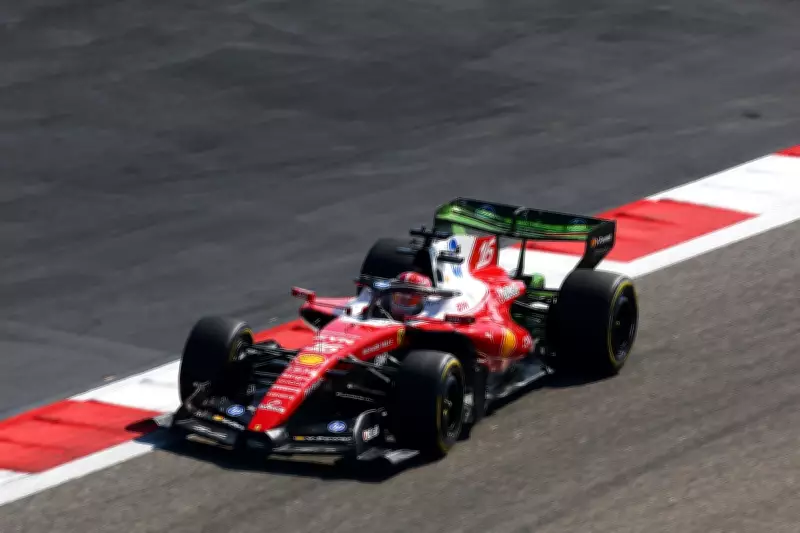
The 2026 Formula 1 season, commencing in March, represents the most substantial overhaul of technical regulations in at least a decade. As final pre-season testing unfolds this week, teams and fans alike are grappling with a comprehensive set of changes that promise to reshape the competitive landscape dramatically.
New Mechanisms for Enhanced Racing
Within this complex regulatory framework, Formula 1 has deliberately simplified terminology to clarify the new systems for pundits, commentators, and reporters. The sport is introducing several key mechanisms designed to improve the spectacle and competition.
Overtake Mode: This innovation replaces the Drag Reduction System (DRS) after fifteen years of service. While maintaining the same fundamental premise of aiding overtaking, overtake mode deploys additional power to any car within one second of the vehicle ahead. Crucially, there will be only a single detection point on each circuit. Drivers can utilize this power boost either in one concentrated burst or distribute it strategically across an entire lap.

Boost Mode: An energy deployment tool from the Energy Recovery System (ERS), boost mode provides maximum power from both the engine and battery at the push of a button. Available to any driver in any situation, it can be employed offensively to execute an overtake or defensively to repel an attack from behind.
Active Aerodynamics: For the first time in Formula 1 history, dynamically adjustable angles for both front and rear wings will be introduced. These wings will automatically alter their configuration based on whether the car is navigating a straight or cornering. In straight-line sections, the wings open to reduce drag, while in corners they close to increase downforce. Cars will operate in either X mode (for straights) or Z mode (for corners), aiming to maximize power utilization through enhanced on-track grip.
Technical Regulation Overhaul
The scale of these modifications is arguably the most significant in the sport's history, surpassing even the major rule changes implemented in 2022. Following McLaren's championship double in 2025 ahead of Mercedes, Red Bull, and Ferrari, the new engine and chassis regulations threaten to disrupt the established pecking order. Teams like Aston Martin and Williams have long targeted 2026 for potential ascension, while new entrants Audi and Cadillac eye strong debuts when the season begins in Australia on 8 March.
Chassis and Aerodynamics: Cars will become smaller and lighter, with wheelbases reduced by 200mm to 3400mm and widths cut by 100mm to 1900mm. Floor width decreases by 150mm, and minimum weight drops by 30kg to 770kg, enhancing agility and responsiveness. Overall downforce is reduced by 15-30% due to the removal of ground-effect floor tunnels used from 2022-2025, while drag is cut by 40%.
Power Unit Revolution: The most transformative aspect involves the power unit, which shifts to a balanced 50% internal combustion and 50% electric power split. The complex MGU-H system, which recovered energy from exhaust and turbo, has been eliminated. Meanwhile, the MGU-K's power output increases dramatically from 120kW to 350kW, boosting overtaking capability and straight-line speed. All teams will utilize advanced sustainable fuels as Formula 1 progresses toward its net-zero target by 2030.
Tyre Modifications: While 18-inch wheels remain, front tyres narrow by 25mm and rear tyres by 30mm, reducing drag and minimizing weight.
Energy Management and Potential Concerns
Drivers can recharge their batteries through three primary methods: recovered energy from braking, throttle lift at the end of straights (known as lift and coast), and applying partial power in corners. However, concerns exist that drivers may be compelled to lift and coast excessively on straights to recover energy, potentially compromising the sport's reputation for showcasing the world's fastest single-seater cars.

Overall, these sweeping changes aim to create more competitive racing while advancing sustainability goals. The combination of overtake mode, active aerodynamics, and rebalanced power units promises a fundamentally different Formula 1 experience when the lights go out in Melbourne.