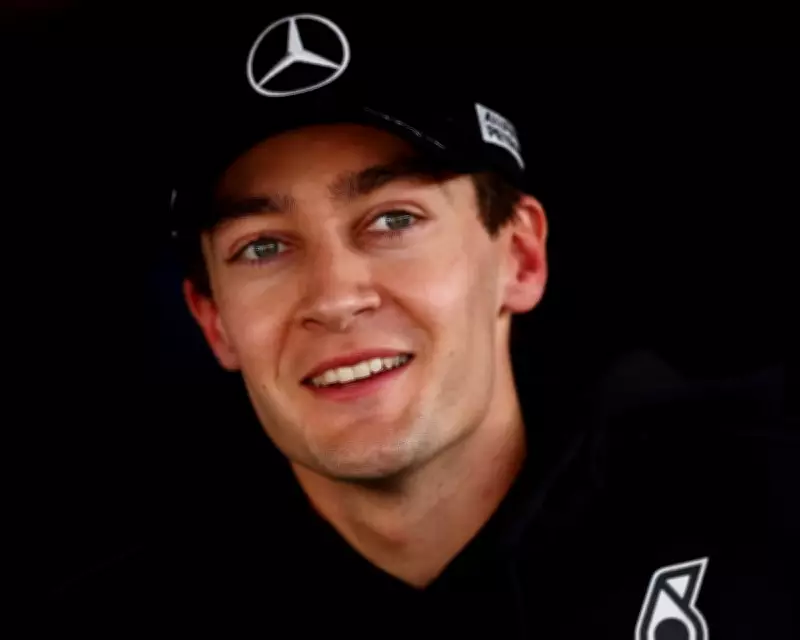
George Russell's Evolution from Grid Frustration to Title Contention
George Russell, the current Formula One world championship leader, has transformed from a frustrated rookie at Williams to a poised contender at Mercedes. In an exclusive interview, he reflects on the mental resilience forged during his early struggles and the crucial support system that fuels his title ambitions.
Learning Patience at the Back of the Grid
Russell's debut season in Formula One was a challenging experience, as he grappled with an uncompetitive Williams car, often finishing near the back. At just 21 years old, he quickly realized that success in F1 requires more than just driving skill—it demands a holistic approach. "In F1 it's not just about driving, it's about the whole package," he noted during the British Grand Prix that year. Now, seven years later, Russell believes his package is nearly complete, leading the standings and eyeing his first championship.
He recalls the frustration of his early days: "When I was younger I was frustrated, I was getting angry, especially when I was at Williams and finishing second to last every weekend. I was pissed off. I worked my whole life to get to F1 and now I'm at the back, and doing nothing." This adversity taught him to channel his emotions productively. "I came to the realisation that I just need to focus on my job. I can't spit my dummy out over something that I can't control. All I can do is drive as fast as possible and the result will be what the result will be."

Maintaining Consistency Amid Success
Now at 28, Russell leads the championship by four points over his Mercedes teammate Kimi Antonelli, thanks to a win and a second place in the first two races, plus a sprint victory in China. His calm and assured driving style has been key, a trait he attributes to his time at both Williams and Mercedes. Despite the improved performance, he maintains the same mindset: "My goal is just to drive as fast as possible, if that means I'm going to win on a Sunday, fantastic but I'm not going to go home on a Monday celebrating like crazy because I know there's a big picture here and my goal is to become a world champion."
Russell's journey at Mercedes has been marked by perseverance. He faced the challenge of driving a mercurial car under previous regulations, yet he managed to outqualify his legendary teammate Lewis Hamilton over three seasons and beat him on points in 2022 and 2024. Standout victories, such as those in São Paulo, Las Vegas, Canada, and Singapore, showcased his talent and determination.
The Role of Personal Support in Professional Life
Beyond the track, Russell emphasizes the importance of his support network, which includes his trainer Aleix Casanovas, manager Harry Soden, and girlfriend Carmen Montero Mundt. He highlights how Carmen's understanding and adaptability have been pivotal: "There's not many people in your life that you're happy to let your guard down to. Having that support from someone you love makes a big difference. We live this spectacular life but you are on the road by yourself quite often."
He adds, "She supports me through everything, but beyond that, she actually really understands the sport and what it takes for me to perform at the level I do. She knows what it takes and she's on this journey with me." This transparency about his personal life sets him apart in a sport where many drivers remain guarded.
Looking Ahead to the Championship Battle
As Russell heads into the Japanese Grand Prix, he carries the confidence of Mercedes team principal Toto Wolff, who has praised him as potentially the top driver in F1 and ruled out any move for Max Verstappen, backing Russell for the long term. With 20 races remaining, Russell remains focused on the ultimate prize. "I feel zero weight, I feel zero pressure, I feel no additional excitement because I was always so excited to go racing, even when I was at the back," he says.
He concludes with a clear vision: "I didn't dream of leading the championship, I dreamed of winning the championship. That, I hope, is what I'll feel at the end of the season." His journey from frustration to leadership exemplifies the mental fortitude required to excel in Formula One.