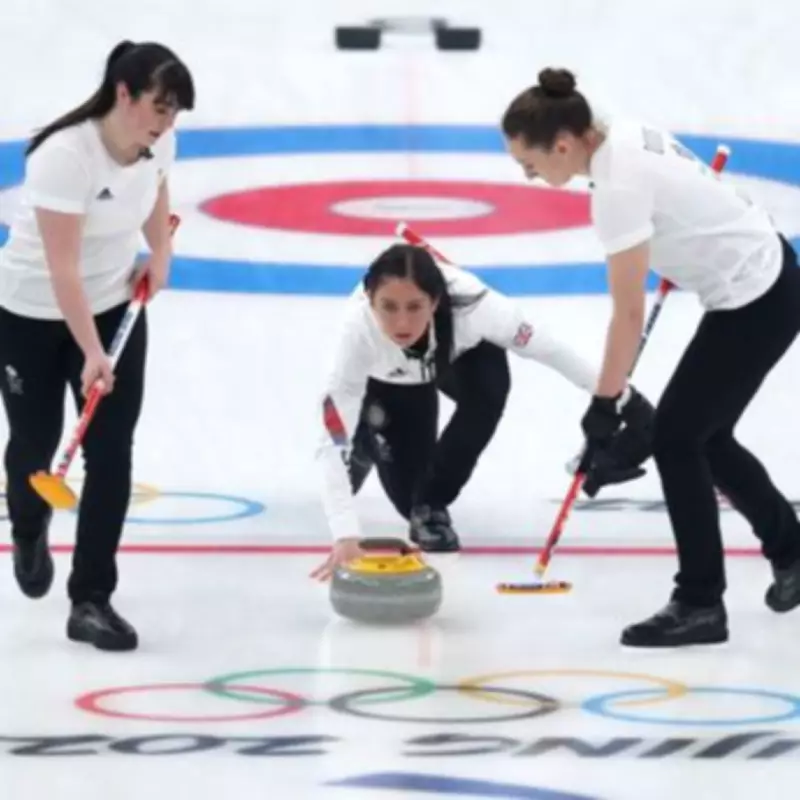
Curling, one of the signature events of the Winter Olympics, is set to captivate audiences once again as the Milano Cortina 2026 Games commence. This strategic team sport on ice combines precision, teamwork, and tactical thinking in a uniquely accessible format.
The Fundamentals of Curling
At its core, curling involves two teams of four players who take turns sliding heavy granite stones across a carefully prepared sheet of ice toward a circular target area known as the house. The primary objective is straightforward: accumulate points by positioning your team's stones closer to the centre point, called the button, than your opponent's best stone.
Mastering the Delivery Technique
The delivery begins from a starting block called the hack, where players slide forward while pushing the stone. A crucial rule requires the stone to be released before it crosses the hog line. As the player releases the granite stone, they impart a subtle rotational twist, causing it to curl or curve along its path—a characteristic that gives the sport its name.

The Art and Science of Sweeping
Perhaps the most visually distinctive aspect of curling is the sweeping. As the stone travels down the ice, two teammates accompany it, using specialised brooms to vigorously sweep the surface directly in front of the moving stone. This action serves multiple purposes: it reduces friction, temporarily melts a microscopic layer of ice, and allows the stone to travel further while maintaining a straighter trajectory. Sweeping represents a critical strategic element, with teams communicating constantly about when and how aggressively to sweep.
Understanding Scoring and Game Structure
Curling matches are divided into segments called ends, typically consisting of eight or ten ends per game. During each end, both teams deliver all eight of their stones alternately. Once all sixteen stones have been played, scoring is determined. Only one team scores per end, earning one point for each stone positioned closer to the button than the opponent's nearest stone.
Accessibility and Getting Started
Equipment Myths Debunked
Contrary to popular belief, curling does not require expensive personal equipment. Most dedicated curling rinks provide all necessary gear, including brooms, delivery aids for beginners, and sliders that attach to shoes. Participants generally only need to bring warm, flexible clothing and a pair of clean, flat-soled trainers suitable for walking on ice.
No Skating Skills Required
Unlike many other ice sports, curling does not involve skating. Players walk or slide on the ice surface without blades, making it remarkably accessible for individuals who lack confidence on traditional skates. This characteristic significantly lowers the barrier to entry for newcomers.
Safety Considerations for Beginners
The primary safety concern in curling is slipping on the ice. Reputable rinks address this by providing comprehensive safety briefings and grippers that attach to shoes for enhanced traction. While serious injuries are uncommon, some beginners opt to wear padded headbands or lightweight helmets for additional reassurance during their initial sessions.
Finding Opportunities to Play in the UK
For those inspired to try curling, numerous opportunities exist across the United Kingdom. The Trycurling.com website maintains a comprehensive directory of curling rinks nationwide and facilitates booking introductory "Try Curling" sessions. Individuals seeking to join local clubs or leagues can contact their respective national curling associations for guidance and membership information.
As the Winter Olympics approach, curling continues to grow in popularity as both a spectator sport and participatory activity. Its unique blend of strategy, teamwork, and accessibility makes it an enduring favourite that welcomes participants of various ages and athletic backgrounds.