Organisers of the forthcoming Milan Cortina 2026 Winter Olympic and Paralympic Games have confirmed a groundbreaking tribute to Renaissance master Leonardo Da Vinci, set to become a historic first in the events' long history.
A Historic Dual Tribute
For the very first time in Olympic and Paralympic history, two separate cauldrons will be lit and extinguished simultaneously across different geographical locations. This innovative approach will see one cauldron positioned in Milan and another in Cortina d'Ampezzo, creating a unified symbol across the host regions.
Design Inspired by Renaissance Genius
The newly unveiled cauldron design presents a striking sun-like structure that draws direct inspiration from Leonardo Da Vinci's intricate knot patterns and geometric studies. The Renaissance polymath spent nearly twenty-five years of his productive life in Milan, creating many of his most celebrated masterpieces during this significant period.

These specially engineered cauldrons feature a remarkable mechanical capability to open and close, expanding their diameter from 3.1 metres to an impressive 4.5 metres. The Olympic flame will be housed within a sophisticated glass and metal core at the heart of each structure.
Strategic Locations and Ceremonial Schedule
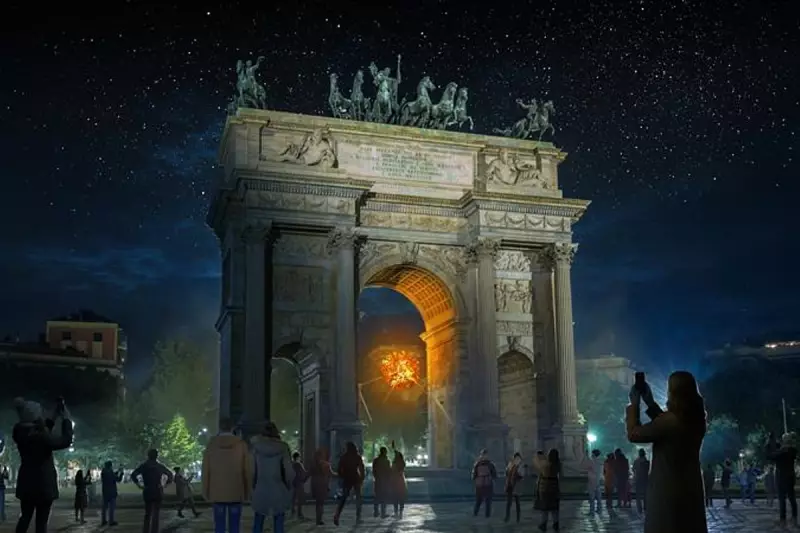
The Milan cauldron will be prominently situated at the city's iconic Arco della Pace, while Cortina's version will grace the central Piazza Dibona. Both structures will be ignited simultaneously during the widespread opening ceremony on 6th February 2026 and will be extinguished together on 22nd February.
Following the Olympic events, the cauldrons will then host the Paralympic flame from 6th to 15th March 2026. Additionally, organisers have planned a special three to five-minute visual show that will run hourly each evening at the Milan cauldron throughout the Olympic period, creating a regular spectacle for visitors and locals alike.
This dual-cauldron approach not only honours Leonardo Da Vinci's profound connection to Milan but also represents a significant evolution in Olympic ceremonial tradition, creating physical connections between the geographically separate host locations through synchronized flame rituals.