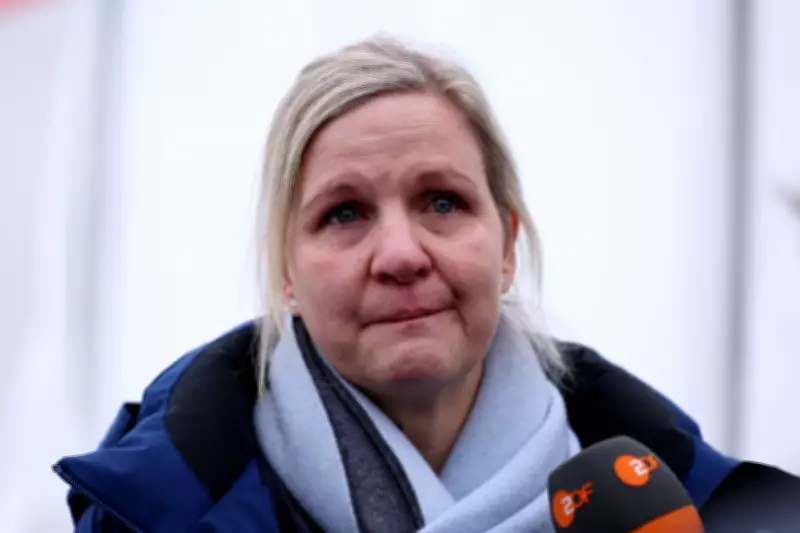
The International Olympic Committee (IOC) has disqualified Ukrainian skeleton athlete Vladyslav Heraskevych from the Winter Olympics skeleton heats, sparking an emotional response from IOC President Kirsty Coventry.
Helmet Honouring Fallen Athletes Leads to Disqualification
Heraskevych's disqualification was directly linked to his decision to wear a helmet that paid tribute to Ukrainian athletes who have lost their lives in the ongoing conflict with Russia. The IOC determined that this act constituted a violation of Rule 50.2 of the Olympic Charter, which explicitly prohibits demonstrations or political, religious, or racial propaganda at Olympic venues and during competitions.
Rule 50.2 and Its Strict Enforcement
The enforcement of Rule 50.2 has been a contentious issue in recent Olympic cycles, with the IOC maintaining a firm stance against any form of political expression during the Games. In this instance, the committee stated that Heraskevych's helmet, while intended as a memorial, fell under the category of political propaganda, thereby breaching the charter's guidelines.

President Coventry, visibly moved during a press conference, expressed her personal disappointment over the situation. "We had all hoped to see him compete," she said, fighting back tears. "It is always difficult when an athlete's passion and national pride come into conflict with the rules we are bound to uphold."
Broader Implications for Athlete Expression
This incident highlights the ongoing tension between athlete activism and the IOC's regulations aimed at preserving the neutrality of the Olympic Games. Heraskevych's case is not isolated; it follows a series of similar controversies where athletes have faced penalties for gestures or symbols deemed political.
The Ukrainian Olympian's disqualification has ignited discussions about whether Rule 50.2 should be revisited to allow for more nuanced expressions of solidarity, especially in contexts involving humanitarian crises or national tragedies. Critics argue that the rule can suppress important messages, while supporters maintain it is essential to keep the focus on sport.
As the Winter Olympics continue, the fallout from this decision is likely to resonate beyond the skeleton track, prompting further debate on the balance between athletic competition and personal expression in global sporting events.