Olympic Ghost Towns: The Abandoned Venues Left Behind After the Games
Olympic Ghost Towns: Abandoned Venues After the Games

The Haunting Legacy of Olympic Venues Worldwide

Now that the Milan Cortina Winter Olympics has concluded, global attention shifts to the enduring legacy of the Games. A primary selling point during bidding processes is the promise of lasting infrastructure for athletes and communities. However, history reveals a stark reality: countless millions spent on summer or winter Olympics often result in stadiums, courts, and Olympic villages deteriorating into abandonment. These derelict sites, once bustling with fans, serve as poignant reminders of planning failures. As a major European metropolis, Milan appears poised to avoid this fate, but a global tour highlights the consequences when future-proofing falters.

Berlin 1936: A Dark History Preserved

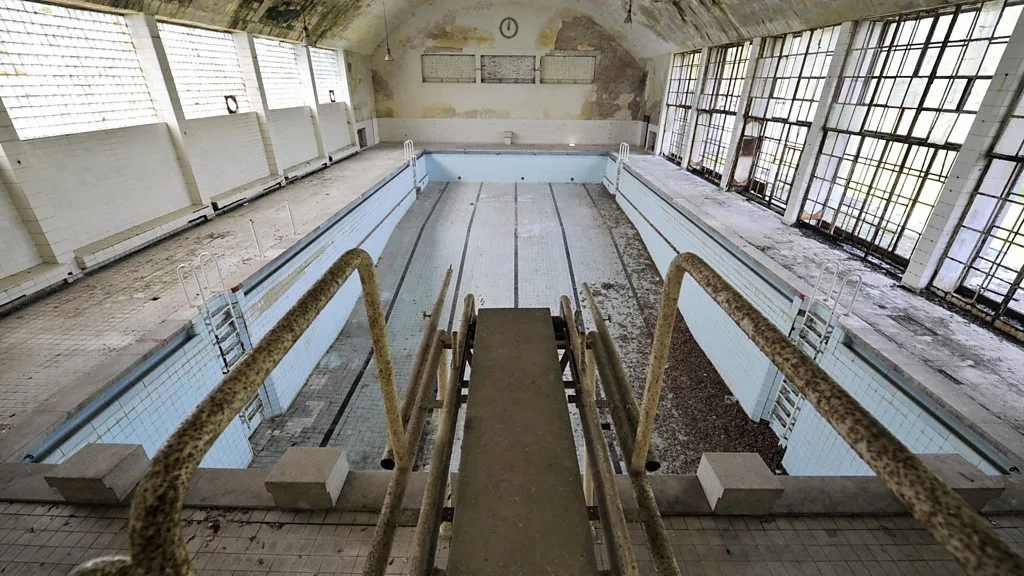
The Olympic village for the 1936 Berlin Games accommodated 5,000 athletes but now stands eerily empty. Held three years into Adolf Hitler's Nazi regime, these Games aimed to showcase might to the world. Constructed on 550,000 square metres of military land, many buildings resembled barracks. Abandoned for decades, restoration began in 2004, transforming the site into a museum that explores its fascinating yet dark history. An abandoned swimming pool and gym remain, echoing the village's original military-like appearance.

Sarajevo 1984: From Winter Sports to Warzone

Sarajevo, capital of Bosnia and Herzegovina, hosted the Winter Olympics 42 years ago. Merely six years later, the site became a warzone as Yugoslavia collapsed. Ski slopes were repurposed for mining, and hotels housing fans and athletes turned into prisons. As the first Winter Olympics in a Soviet country, the contrast between peaceful competition images and post-war devastation is stark. Today, intrepid visitors explore abandoned ski jumps on Mount Igman and the skeletal remains of hotels.

Athens 2004: Pride Tainted by Economic Collapse

Athens, a cosmopolitan city, hosted the Games' return to its origins in 2004 at a cost of £7.8 billion. Despite construction delays and readiness fears, the event proceeded smoothly, instilling national pride. However, Greece's subsequent financial crash plunged the country into depression, with soaring unemployment and poverty. The Olympics now evoke mixed memories, as abandoned venues like the canoe-kayak course and rusting stands serve as constant reminders of troubled times and questionable spending.

Beijing 2008: Perfection at a Cost

The Beijing Games' opening ceremony dazzled with unparalleled scale and organisation, backed by a staggering £28 billion investment. China's ruthless pursuit of perfection included relocating citizens and bulldozing areas for temporary venues. A symbolic image of waste features the Fuwa mascots abandoned in an unfinished shopping mall's undergrowth. Today, overgrown BMX stadiums, deserted beach volleyball arenas, and rusting cooling fans underscore the fleeting nature of this grand endeavour, with some sites even repurposed for vegetable plots.

Rio de Janeiro 2016: Rapid Decay and Broken Promises

Rio's 2016 Olympics saw venues fall into disrepair within a year. At the Maracana, power was cut over unpaid bills, copper wire stolen, and seats vandalised. The tennis centre and velodrome attracted no investors, left to rot, while the Olympic Park became a ghost town. The athletes' village, intended as desirable housing, priced out residents. Promises of transformation and legacy by officials now seem laughable, with 3,604 apartments sitting empty and the aquatics centre abandoned, highlighting a massive failure in sustainability and investment protection.

These examples from Berlin to Rio illustrate the critical need for sustainable planning in Olympic hosting, lest more cities join the ranks of Olympic ghost towns.