Winter Paralympics Opening Ceremony Boycott Expands Over Russian Inclusion
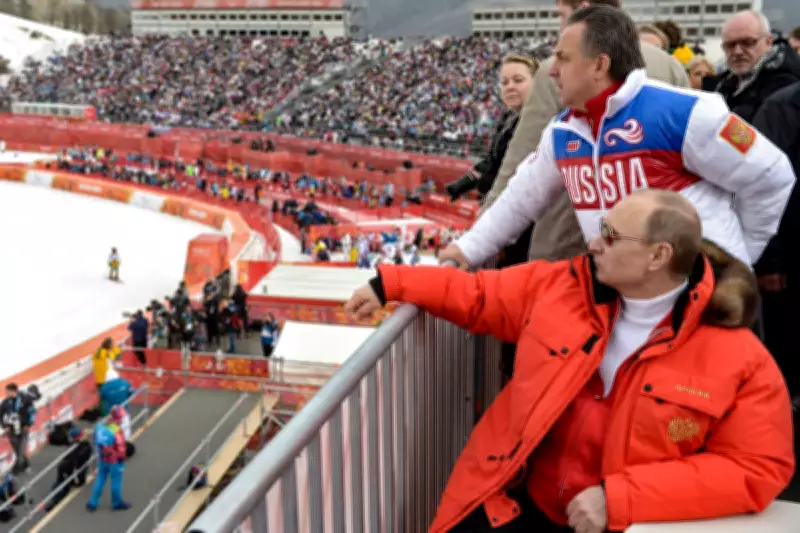
The opening ceremony of the Milano Cortina Winter Paralympics is facing a significant and growing boycott, as more nations pledge to protest the inclusion of Russian and Belarusian athletes competing under their national flags. This decision by the International Paralympic Committee (IPC) has sparked international controversy, particularly in light of Russia's ongoing invasion of Ukraine.
IPC Decision and National Backlash
In September 2025, the IPC allocated 10 combined slots to Russian and Belarusian athletes, permitting them to use their national anthems and flags during the Games. This move has been met with strong opposition from several countries, who view it as a legitimisation of Russia's actions in Ukraine. Ukraine, Finland, the Czech Republic, Latvia, Poland, and the Netherlands have all confirmed their intention to boycott the opening ceremony in a unified stance against the IPC's policy.
Logistical and Political Absences
While some nations are boycotting on political grounds, others cite logistical reasons. Canada and Britain will not attend the ceremony due to scheduling conflicts, as their athletes are competing in Alpine skiing events the following day, approximately 250 km from Verona. However, this absence is seen by many as coinciding with the broader protest movement, highlighting the complex interplay between sports and geopolitics.

IPC Response and Ceremony Plans
The IPC remains committed to ensuring all athletes receive recognition, despite the boycott. Games organisers are planning to film content featuring absent athletes, which will be shown during the ceremony to acknowledge their participation. The ceremony is scheduled to run from March 6 to March 15, 2026, in Verona, with the IPC emphasising its dedication to inclusivity and fair competition.
This escalating situation underscores the challenges of maintaining neutrality in international sports during times of conflict, as the Paralympics become a focal point for diplomatic tensions and protests over Russia's return to the global stage.