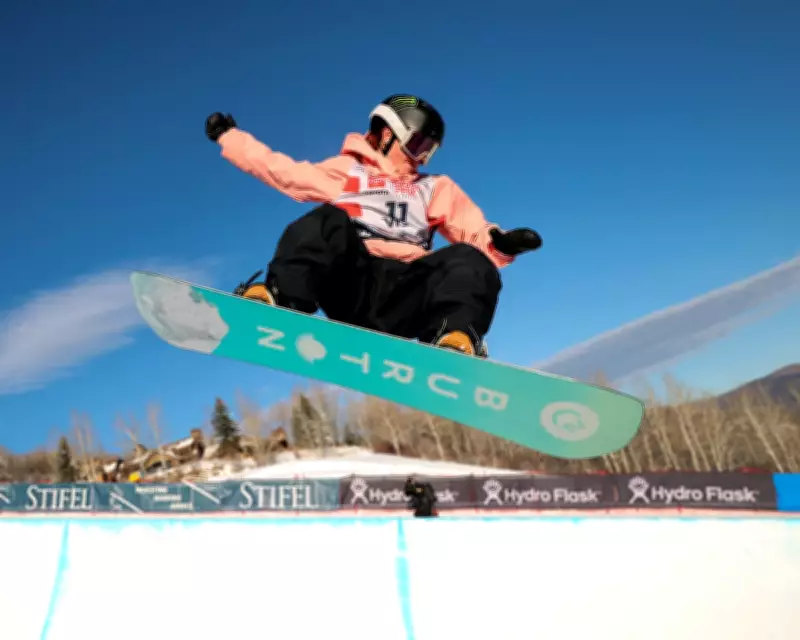
The fusion of risk and aesthetics is a fundamental driver in snowboarding, shaping not just the sport's visual appeal but its very essence. As the Winter Olympics in Milano Cortina approaches, this dynamic offers a fresh lens through which to appreciate athletic endeavour beyond mere medals.
The Quest for Meaning in High-Performance Sport
Lesley McKenna, a three-time Olympian, British athlete, coach, and team manager, embarked on research to unravel what makes snowboarding truly meaningful. Her firsthand experience revealed the tensions between the inherent creativity in pipe and park events and the systemic push for standardisation, which often prioritises scores and rankings over deeper value.
McKenna observed that traditional high-performance systems focus narrowly on metrics like times and medals, yet her background in action sports hinted at alternative pathways to fulfilment. She sought to analyse how risk and aesthetics interlink, defining risk not as mere danger but as a complex interplay of uncertainty, consequences, and commitment, while aesthetics encompass style, creativity, and flow—the how of performance, not just the outcome.

Uncovering the Power of 'Stoke'
Through interviews with athletes, coaches, judges, and performance leaders across snowboarding, freeskiing, skateboarding, and surfing, McKenna identified 'stoke' as a central theme. This joyous concept encapsulates fun, creativity, achievement, and style amidst risk, often rating higher in experience than winning a medal. Shared stoke fosters bonds and community, transforming competitive settings into collaborative endeavours.
At Milano Cortina, spectators might notice athletes genuinely celebrating each other's runs, embodying the original spirit of competition—striving together. The 'stoke train' phenomenon illustrates this, where one rider's breakthrough ignites a collective energy, spurring others to land new tricks and push limits as a unified group.
Five Fascinations of Snowboarding
McKenna's research delineated five key fascinations that explain how snowboarders thrive:
- Inside-Out Performance: Athletes simultaneously feel their movements internally and visualise them externally, enabling real-time calibration of risk, skill, and style—a process McKenna notes that AI and external coaches cannot replicate.
- Outside-In Viewing: Engaged judges and observers 'feel' performances by imagining themselves in the rider's place, engaging in 'mind-surfing' rather than merely scoring tricks.
- Epic Moments: Life-defining performances that become shared stories within the community, often remembered more vividly than podium finishes, reinforcing collective values.
- Positive Insignificance: A humility felt towards natural surroundings, where athletes experience a liberating 'smallness' against nature's power, fostering ecological consciousness and respect.
- Creative Story-Based Learning: Knowledge transmission through narratives about approaches, thoughts, and outcomes, sharing the rationale for risks and styles beyond technical coaching.
Implications for Broader Sports Culture
McKenna's findings challenge conventional sporting mindsets, proposing a refreshed vocabulary centred on meaning, creativity, and risk. Imagine if school PE lessons or sports clubs prioritised 'stoke' as an objective, alongside fitness and tactics, to explore deeper human experiences.
As the Winter Olympics unfolds, viewers are encouraged to watch with curiosity, seeking glimpses of the 'stoke train' in action. This perspective not only enriches appreciation for snowboarding but offers insights into how all sports can cultivate joy and community beyond the medal hunt.