Ukraine Levels Serious Allegations Against Paralympic Organisers
The Ukraine National Paralympic Committee has launched a fierce critique against the International Paralympic Committee and the organisers of the Milano Cortina Winter Paralympics, accusing them of applying systemic pressure to diminish Ukraine's presence at the event. In a detailed statement, the committee outlined four specific grievances, claiming a pattern of mistreatment that includes the forced removal of national symbols and disruptions to team operations.
Specific Incidents of Alleged Mistreatment
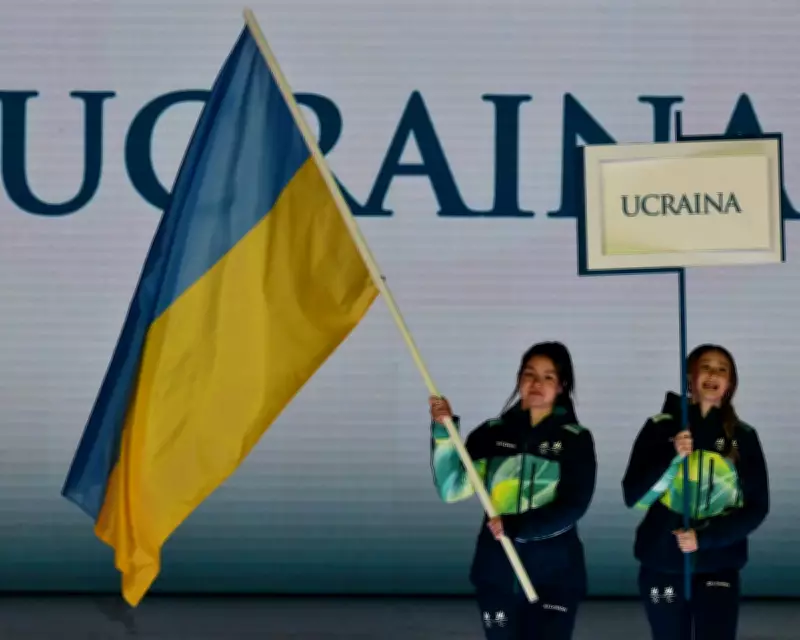
According to the Ukrainian team, representatives from the Organising Committee of the Games compelled them to take down the Ukrainian national flag from outside their team headquarters. Additionally, para biathlon gold medallist Oleksandra Kononova was reportedly instructed to remove earrings featuring the national flag and a Stop War message before stepping onto the medal podium. The family of cross-country skier Taras Rad also had Ukrainian flags confiscated while watching him compete. Furthermore, the team alleges that tactical meetings have been consistently interrupted by members of the OCOG and IPC, hindering their preparation and performance.
Historical Context and Accusations of Bias
The statement emphasised that Ukraine has participated in every Summer and Winter Paralympic Games for three decades without prior incidents of this nature. It described the current actions as unprecedented and openly negative, suggesting a possible special partnership between the IPC and the National Paralympic Committees of Russia and Belarus. This has raised concerns about pro-Russian bias within the organising bodies, particularly given the ongoing geopolitical tensions.

Response and Broader Implications
Both the IPC and OCOG have been approached for comment but have yet to respond publicly. Meanwhile, Ukraine has secured 10 medals at the Games, including three golds, though their standings have recently declined. A notable incident involved Ukrainian cross-country skier Romana Lobasheva competing against Russian athlete Anastasiia Bagiian, who received a bipartite invitation from the IPC and won gold, while Lobasheva finished ninth. This has further fueled allegations of unfair treatment and bias in the competition framework.
The allegations highlight ongoing challenges in international sports governance, especially regarding neutrality and athlete rights during conflicts. As the Games continue, the situation underscores the delicate balance between sporting events and political sensitivities, with potential repercussions for future Paralympic engagements and diplomatic relations in the sporting world.