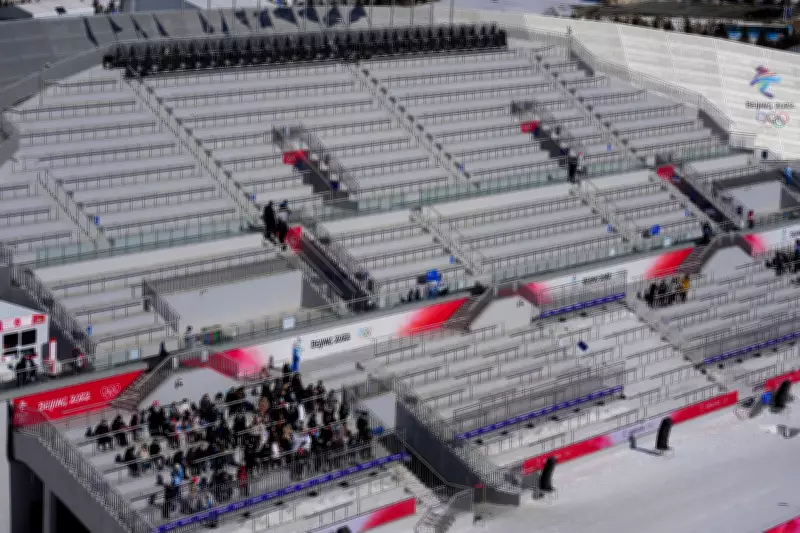
As the world's top winter sports stars gather for the Milan-Cortina Olympics, a palpable sense of liberation fills the air. For the first time since the pandemic upended global events, competitors are experiencing the Games without the shadow of COVID-19 lockdowns, daily testing regimes, and isolating bubbles that defined the previous Winter Olympics in Beijing.
A Stark Contrast to Beijing's 'Sports Prison'
The last Winter Games convened amidst the raging COVID-19 pandemic, forcing athletes into sterilised bubbles with rigorous daily testing protocols. Canadian snowboarder Mark McMorris, who secured his third consecutive bronze medal in Beijing, famously described the experience as akin to being in a "sports prison." This time, McMorris emphasises a crucial additional goal: "To enjoy it with my friends."
Relief from Pandemic Pressures
American alpine skier Mikaela Shiffrin, who left Beijing without a medal, expressed unequivocal excitement about competing without the constant threat of COVID tests every 24 hours. "It's a very, very different situation to go into this Games and that's a wonderful thing," Shiffrin remarked, highlighting the psychological relief from the pandemic's oppressive presence.

Short track speedskater Andrew Heo, whose Olympic debut occurred in Beijing, noted that returning to a "real, live Games" has been a primary motivator over the past four years. He recounted how veterans informed him that the Beijing experience was incomparable to a traditional Olympics atmosphere.
Embracing Authentic Olympic Experiences
The contrasts between Milan-Cortina and Beijing are profound. McMorris and fellow action-sports athletes will compete in Livigno, one of several picturesque Alps resort towns co-hosting these Games. Instead of masks, swabs, and isolation, athletes anticipate enjoying good wine, fine food, and social interactions without plastic barriers.
The Vital Role of Support Networks
McMorris underscored the importance of having his long-time supporters present, something severely lacking in China where athletes felt isolated without friends and family. "Hopefully I can use their support to fuel myself. It will be good to enjoy the Olympics as a crew this time," he said, emphasising the emotional sustenance derived from personal connections.
This sentiment echoes across teams. U.S. sled hockey player Declan Farmer, aiming for a third consecutive Paralympic gold, acknowledged the need to balance family time with personal recharge periods, but welcomed the challenge as preferable to isolation.
Building on Paris' Post-Pandemic Rebound
The Milan-Cortina Games follow the successful Paris Summer Olympics, which helped rejuvenate the Olympic brand after the stagnation exacerbated by COVID-restricted events in Tokyo and Beijing. The direness of previous Games was epitomised by Belgian skeleton rider Kim Meylemans, whose viral plea for quarantine release highlighted the extreme measures once necessary.
Memories of Restrictive Protocols
American speedskater Brittany Bowe recalled the jarring Beijing arrival experience: "Instead of having, like, a cheering welcome committee, we're like funneled in to get a cotton swab stuck up our nose and down our throat for a COVID test." She described the daily anxiety of hoping not to test positive and face quarantine.
For many athletes, like U.S. women's hockey player Caroline Harvey, who experienced only the Beijing Games, having family and friends present provides comforting familiarity amidst the stressful competition environment. Harvey's team, now favourites for gold, anticipates a potential victory celebrated with cheers rather than the stunned silence of pandemic-era events.
The Milan-Cortina Olympics thus represent not just another sporting event, but a symbolic return to the communal, celebratory spirit that defines the Olympic movement, offering athletes a long-awaited chance to compete in freedom and shared joy.