England's Historic Defeat to Italy Raises Unthinkable Questions for Borthwick
While there is little internal desire for change, England head coach Steve Borthwick has been placed under enormous pressure following a historic defeat to Italy in the Six Nations. This loss represents a new low for England, and the situation could deteriorate further.
A New Six Nations Low for England
Sat high in a Roman colosseum, Steve Borthwick witnessed his empire in decay. If defeats to Scotland and Ireland could be partially explained as off-days, the historic loss to Italy marked a new nadir for England in the Six Nations – and worse may still be to come.
England have never previously concluded a campaign with just a single victory. With a trip to Paris to face pent-up French frustration in seven days, contemplating any other outcome now seems fanciful. While there is no shame in losing to an ever-improving, increasingly confident Italy, there is shame in the manner of the defeat – an eight-point lead squandered, a game in their grasp let slip by a side that appeared to have moved beyond such collapses.

England appeared ill-disciplined, ill-prepared, and inaccurate – the antithesis of the team Borthwick has sought to build. Even the great Roman emperor Aurelian would struggle to find a solution to this crisis.
Facing Reality and Responsibility
"We have to face the facts and face reality," Maro Itoje told ITV. To extend some meagre credit to Borthwick, he tried contrasting approaches in response to the two prior losses; first sticking, then twisting, but neither delivered the desired impact. Having touted England's depth throughout the 12-match winning run that made them Six Nations contenders, that depth has been found desperately wanting.
The unthinkable question now for the Rugby Football Union is whether drastic change is required. This may not – and probably should not – necessarily mean Borthwick's job is in immediate peril, with senior RFU figures recently emphasising this to The Independent. However, results like this, regardless of Italy's improvement, can burst beyond the rugby bubble. To casual observers who missed last year's successes and still view Italy as Six Nations stragglers, this defeat feels catastrophic.
There is also a sense that the English rugby public finds Borthwick's somewhat insipid public-facing persona unappealing.
Internal Discussions and External Pressure
"The RFU, myself, Conor O'Shea, and Bill Sweeney speak regularly and discuss the vision of the team going forward," Borthwick said. "We know the team have accelerated its development over the last 12 months and also understand that right now in this Six Nations there are going to be some tough challenges ahead. Clearly, we have not achieved the results we wanted in those challenges."
"The team's growth in the last 12 months has been very, very strong, and you can see the vision of where the team is going. You see the players coming through. Right now, this is a tough period, but we will learn from it and ensure we are stronger going forward. It is tough, and we are not hiding from that fact. We are not where we want to be in terms of results and performances."
Player Accountability and Systemic Issues
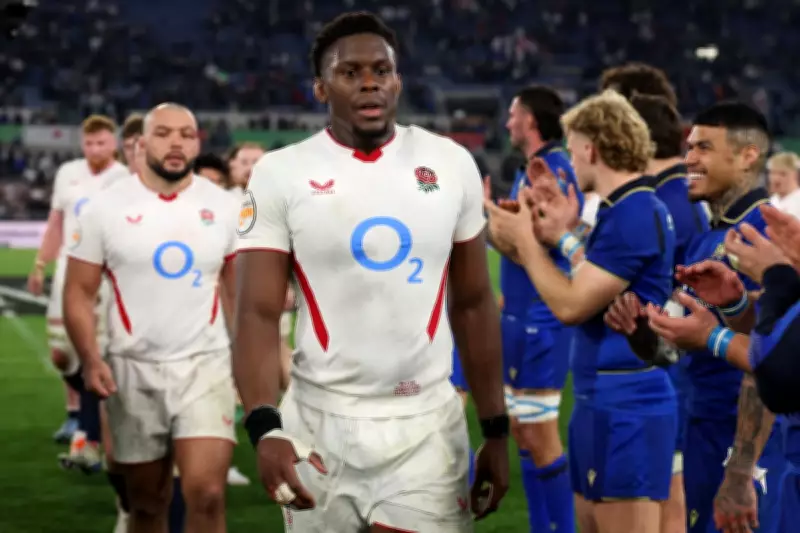
As Itoje emphasised, the players must also accept their share of the blame. If it was unseemly for the England captain to be caught fiddling at a maul while Rome burned, it continued a tournament theme of Borthwick's leaders letting him down. "It's on us as players," the captain stressed. "We have to wear the performance. This team over the last year have put some good performances together; recently, we haven't. We are in a results-based business, and the result wasn't good enough. As players, and as captain, I take responsibility for that."
Another mid-cycle change is not in the RFU's plans, partly due to the financial hit and upheaval following Eddie Jones's departure. Borthwick and his employers would likely point to last year's winning streak as still outweighing the three subsequent defeats. But the Six Nations holds paramount importance for all European nations. "We haven't become a bad team overnight," has been a common refrain in camp. Perhaps England have.

A Daunting Path Ahead
It may worsen before it improves. Beyond Paris awaits the Springboks in Johannesburg, an arduous trip made harder by altitude at the end of a long campaign where some experienced players are already struggling. Further Nations Championship games against Fiji in Liverpool and Argentina in Santiago del Estero will strain minds and bodies further – not just those of logistics managers.
There is no question that something is broken with England now, trapped in their malaise. Failing to see a reaction for two consecutive weeks, and falling short of high performance standards for three, suggests a larger problem. Were players pushed too hard pre-tournament when they spoke of increased training intensity? Must Borthwick move on from senior leaders who served him well in 2025 and look to the future? Might more changes be made to a volatile coaching team that seemed nearing stability? Certainly, a gameplan that has been figured out needs tweaking, with a return to kick-heavy tactics failing to yield sufficient results.
Time for Reflection and Reaction
The seven days to prepare for a French backlash, with silverware on the line at a disorienting venue, is no time to ponder these questions. Scotland, impressive in a 90-point win over Les Bleus, show how quickly fortunes can change, but Gregor Townsend secured the reaction he demanded after defeat in Rome. Andy Farrell did the same after Ireland's no-show in Paris. It is fair to question why Borthwick has not elicited a similar response.
"We want England fans flooding across the Channel to Paris to watch the team in a massive encounter on the final round with the opportunity to achieve what we want," Borthwick declared somewhat hubristically before this tournament. Instead, he may be coaching for his future.