In a dramatic development that has sent shockwaves through the cricketing world, the Government of Pakistan has issued a directive that its national cricket team must boycott its scheduled match against India during the upcoming ICC T20 World Cup. The announcement was made officially on Sunday, 1st February 2026, via the government's social media channels, casting a significant shadow over the prestigious tournament set to commence this Saturday.
Official Government Directive
The Government of the Islamic Republic of Pakistan grants approval to the Pakistan Cricket Team to participate in the ICC World T20 2026, the statement declared. However, the Pakistan Cricket Team shall not take the field in the match scheduled on 15th February 2026 against India. This explicit instruction leaves the team with no option but to forfeit the crucial Group A encounter, which would automatically award two points to the Indian side.
Political Tensions Overshadow Sport
While the government statement did not provide a specific reason for the boycott order, the decision is widely understood to be rooted in the deep-seated political and diplomatic tensions between the two neighbouring nations. These strains have consistently spilled over into the sporting arena, most notably last year when Indian players refused to shake hands with their Pakistani counterparts during Asia Cup matches in the United Arab Emirates.

Furthermore, the tournament's logistical arrangements have already been affected by these tensions. All of Pakistan's group stage matches have been relocated to Sri Lanka, which is co-hosting the event with India, due to the political impasse preventing the team from travelling to Indian soil.
ICC's Dilemma and Financial Implications
There has been no immediate public reaction from the International Cricket Council (ICC), the sport's global governing body, to this unprecedented directive from a member nation. The situation presents a severe challenge to the ICC's authority and tournament regulations.
The financial ramifications are substantial. A Pakistan versus India match in any ICC tournament is arguably the most lucrative fixture in world cricket, generating immense revenue through global broadcasting rights and sponsorship deals. The boycott represents a significant loss of income for the governing body and highlights the commercial power of this historic rivalry.
PCB Chairman's Stance and Tournament Context
The decision follows criticism from Pakistan Cricket Board (PCB) Chairman Mohsin Naqvi, who had previously accused the ICC of applying double standards. His grievance centred on the ICC's refusal to relocate Bangladesh's scheduled matches to Sri Lanka, a request that ultimately led to Bangladesh's withdrawal from the tournament and replacement by Scotland.
Naqvi was a vocal supporter of Bangladesh's position and, in a significant move, deferred the final decision on Pakistan's World Cup participation to the federal government. He briefed Prime Minister Shehbaz Sharif on the matter, effectively passing the political hot potato to the country's leadership.
Team Reaction and Tournament Schedule
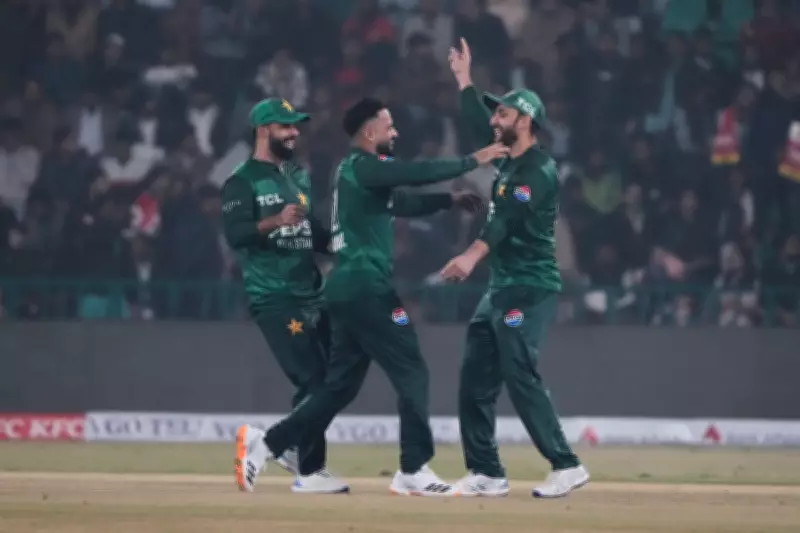
Pakistan captain Salman Ali Agha, fresh from leading his side to a 3-0 T20 series victory over Australia in Lahore, confirmed the team would comply with the government's order. It's not our decision, we can't do anything about it, Agha stated. We will do whatever our government and the PCB chairman say.
Pakistan's World Cup campaign is now set to proceed without its marquee fixture. The team will open its account against the Netherlands this Saturday, followed by matches against the United States on 10th February and Namibia on 18th February. The boycott underscores the prolonged absence of bilateral cricket between the two nations; they have not contested a full series for fourteen years, yet have been consistently drawn in the same group at ICC events since 2012, making these tournament clashes all the more significant and now, politically charged.