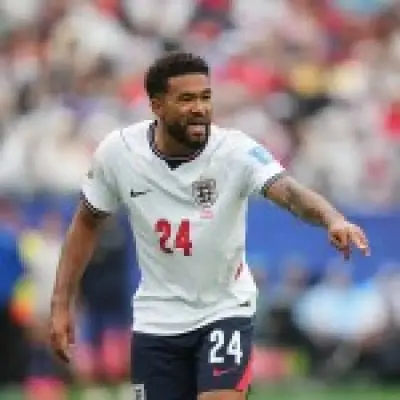
Jude Bellingham has been three different players in England's three World Cup matches so far, and his importance at international level should no longer be up for debate. He was England's matchwinner against Panama, with a goal, an assist, and another commanding display securing the country's place in the knockout stages. The numbers back up the eye test — across the group stage, no England player consistently influenced games more — but they also expose Thomas Tuchel's biggest tactical dilemma in the struggle to get this side to fully purr.
Three Games, Three Roles
Against Croatia, Bellingham looked every inch England's attacking midfielder: three shots, 0.68 expected goals (xG), four touches inside the penalty area, and two completed dribbles. His goal came from a late run that defenders struggled to track. Against Ghana, however, everything changed. His xG fell to just 0.01, his expected assists dropped to 0.03, and he won only a third of his offensive duels. He contested five defensive duels, more than in any other group-stage match. Bellingham was still busy — he just wasn't hurting Ghana.
That changed against Panama. In 73 minutes, Bellingham scored once, assisted once, created two chances, and posted 0.38 xG alongside 0.38 expected assists. He won nine of his 12 offensive duels and recovered possession seven times in the opposition half, leading England's aggressive press. The goal came from an intelligent run to meet Bukayo Saka's corner, and the assist was an inviting cross that Harry Kane powered home — the kind of chance England need to create more often for their main man up front.

Freedom — But at a Cost
The obvious conclusion is that Bellingham simply enjoyed greater freedom against Panama. The reality, however, isn't quite that simple. Declan Rice played every minute against Ghana, yet Bellingham still spent much of the evening helping England control possession rather than attacking the penalty area. Against Panama, Rice was absent altogether, with Elliot Anderson partnering Morgan Rogers in midfield. Bellingham immediately played higher — and England immediately became more dangerous. But they also became more vulnerable.
Bellingham and Rogers regularly pushed forward during the first half, leaving Anderson isolated and exposing England to counter-attacks. Anderson rose to the challenge with five defensive contributions and seven recoveries, but he was dribbled past three times, more than in any other group stage game. Panama, who arrived without a point and left without scoring a goal, still managed 13 shots against England. That's the trade-off: the more freedom Bellingham receives, the more responsibility falls on those around him. Against stronger knockout opposition, striking that balance will become significantly harder.
Kane Reaping the Rewards
One relationship has become clearer with every game. Machine Football's model assigns Kane and Bellingham a predictive chemistry of 74, a strong score indicating how naturally their movements complement each other. The data confirms what the eye test shows: Kane drops, Bellingham runs beyond. Against Panama, that partnership produced both England goals and Kane's 11th World Cup strike, moving him ahead of Gary Lineker as England's record tournament goalscorer.
Kane recorded eight touches inside the penalty area against Panama; against Ghana, he managed just two. The difference wasn't Kane's performance — he remained influential but could rightly have been disappointed with his teammates for not exploiting the space he created. Instead, Bellingham could provide the key. When England's number 10 attacks central spaces instead of recycling possession, Kane has more runners around him, more service into the box, and more opportunities to finish moves. The partnership works — England simply need to create the conditions for it to flourish.