Jack Draper's Strategic Overhaul After Injury Leads to Djokovic Triumph
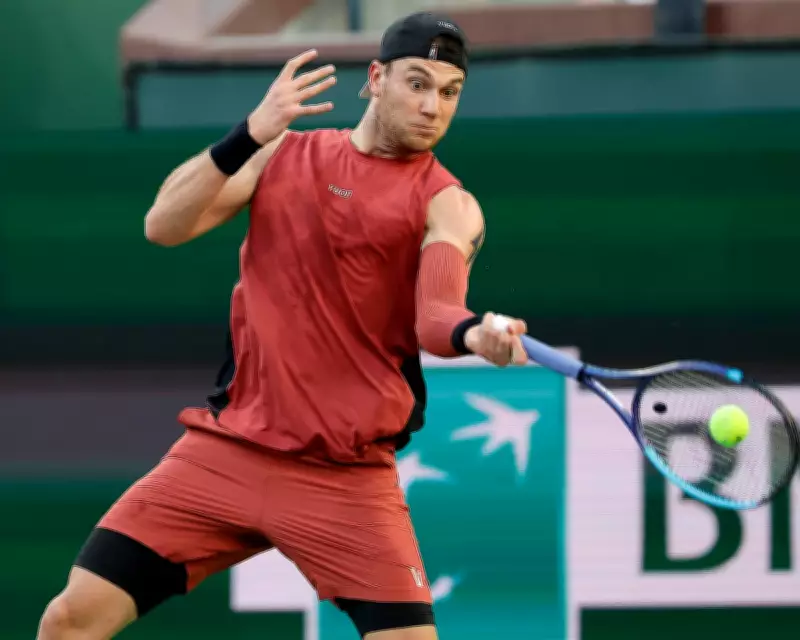
In a remarkable display of resilience and adaptation, British tennis star Jack Draper has transformed his game following a debilitating injury, culminating in a thrilling victory over Novak Djokovic at Indian Wells. After a seven-month hiatus due to a bone bruise in his left arm, Draper returned to the court with significant modifications to both his racket setup and serving technique, proving that necessity can indeed breed innovation.
Forced Changes: From Poly Strings to Natural Gut
The injury compelled Draper to abandon the synthetic polyester strings he had used throughout his career, opting instead for a hybrid setup featuring natural gut strings in the mains. These strings, crafted from cow intestines, were once the standard in elite tennis but have largely been supplanted by poly strings in the modern era. While poly strings offer superior spin and control, natural gut provides enhanced power and feel, with the critical advantage of being softer and more arm-friendly.
Draper, standing at 6ft 4in, is known for his powerful, spin-heavy forehand, which initially seemed at odds with the switch. However, he prioritized his physical well-being over immediate performance gains. "It was to do with doing anything to help my injury be better," Draper explained. "The gut's a bit of an adjustment, but it was the decision for my body; it wasn't a decision for performance." This change aligns with a trend among top players, including Djokovic, Alexander Zverev, and Daniil Medvedev, who use poly-gut hybrids to blend the benefits of both string types.

Mental Adjustments and On-Court Adaptations
Adapting to the new strings has required a significant mental shift for Draper. The softer, more elastic nature of natural gut means the ball behaves differently, often flying more unpredictably. "You can't take full swings, sometimes you have to adapt to the conditions," he noted. "It's a mental one to decide what shot you're going to play, when you're going to play it, because it sometimes comes off a bit different." Despite these challenges, Draper's determination to protect his body has driven him to embrace this new approach, even as he acknowledges ongoing reservations.
Revamping the Serve: From Pinpoint to Platform Stance
Parallel to his racket changes, Draper has overhauled his serve mechanics. Previously using a pinpoint stance, which involves bringing the feet close together before serving, he has switched to a platform stance with a wider, more stable base. This adjustment aims to reduce stress on his upper body, particularly important given his history of arm injuries. "The platform gives me more stability and I'm able to protect my body better," Draper said, highlighting that while his serve has always been a weapon—winning 86.1% of service games last year—this change could enhance its longevity and effectiveness.
Triumph at Indian Wells: A Testament to Adaptation
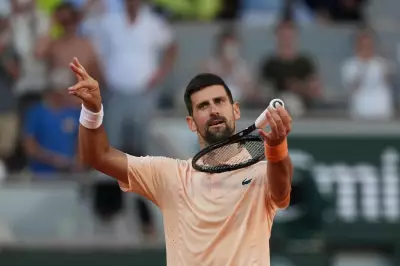
Draper's victory over Djokovic in the fourth round of Indian Wells served as a powerful validation of his efforts. In critical moments, such as at 4-4 in the tie-break and on match point, he demonstrated newfound confidence, attacking from inside the baseline with decisive backhands. This win not only marked a successful return from injury but also showcased his ability to compete at the highest level while navigating significant technical adjustments. As Draper continues to refine his game, this period of transformation may well define the next phase of his career, blending physical preservation with competitive excellence.