Manchester United Target 2035 Women's World Cup Final with New Stadium
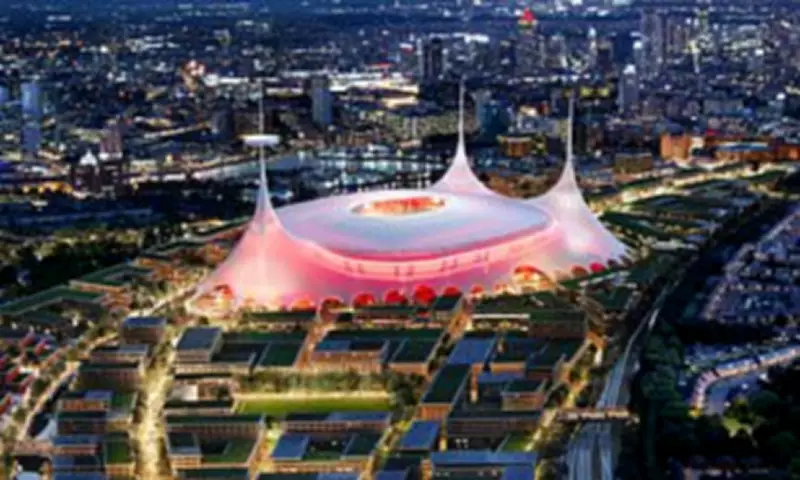
Manchester United are pushing forward with ambitious plans to construct a new £2 billion stadium, with the club aiming to have the 100,000-seater arena ready to host the Women's World Cup final in 2035. This follows concerns about the lack of visible progress since the initial unveiling of the project at the offices of Foster + Partners in London one year ago.
Progress Behind the Scenes
Despite public perceptions of stagnation, Daily Mail Sport revealed last week that Manchester United hope to submit a planning application within the next 12 to 18 months. Collette Roche, the club's CEO of stadium development, expressed confidence that the project remains on course to meet Greater Manchester Mayor Andy Burnham's target of hosting the women's final in nine years' time.
'Our plan is to be able to host other international sporting events and entertainment events,' Roche told MUTV in a recent interview. 'Andy Burnham, the mayor, said his ambition would be for us to host the final for the Women's World Cup in 2035, so if we could pull that off, that would be incredible.'

Realistic Timelines and Construction Challenges
Roche clarified the project's timeline, noting that while construction itself is estimated to take four to five years, significant preparatory work is required beforehand. 'When we launched the idea of a new stadium 12 months ago, we did say it would take between four and five years for construction – and that's right,' she explained. 'But I think people read that as we might have the stadium ready for 2030. But as you know, with a stadium build as complex as the one that we're going to enter into, it does take one or two years to get ready for construction.'
The preparatory phase involves critical steps such as land assembly, securing funding, and obtaining planning permission. 'To get the land assembled, to get the funds in place and to get the planning permission. So that's the part that we're doing right now,' Roche stated. 'So we've not named a date for opening, but we are on track within those timescales.'
Vision for a Modern Arena
The club aims to create a stadium that honors its storied past while embracing the future. 'We want to build a stadium that's befitting of our past, but also fit for the future,' Roche emphasized. 'We want to make sure that we keep what's important, the special memories that people have had, and not just for our fans, but for our players.'
Key design goals include preserving match day traditions, maintaining an intimidating atmosphere for away fans, and ensuring the venue becomes a landmark. 'So we need to create a new stadium that retains that essence - the match day routines, the emotion, the intimidating atmosphere for the away fans and make sure we build something really, really special. And we think we can do that through a 100,000-seater stadium.'
Overcoming Key Hurdles
Manchester United face several significant challenges before construction can commence. These include securing public funding for the wider Old Trafford regeneration project and attracting private investment specifically for the stadium. A crucial obstacle is acquiring additional land around Old Trafford, with negotiations over the freight terminal behind the stadium, owned by Freightliner, having been protracted. However, sources indicate that a breakthrough may be imminent.
Roche detailed the progress made in three key areas over the past year:

- Land Assembly: 'We've made a lot of progress in the last twelve months. But to be fair, a lot of it has been behind the scenes,' she said. 'So people might not have seen that, but some of the examples of progress we've made is first and foremost on the land assembly.' The club is engaging with local landowners to secure an optimal site with ample space for facilities and connectivity.
- Investment: 'The second area that we've done a lot in is around investment, and I'm delighted to say we've had a lot of interest,' Roche reported. 'There's a lot of people and organisations that want to invest, not just in the stadium, but also in the wider stadium district.' These discussions are being held confidentially.
- Stakeholder Relationships: 'The third part, but arguably the most important work we've been doing, is really laying the foundations and relationships with the people that are going to make this happen,' she noted. This involves collaboration with local authorities, the newly established Mayoral Development Corporation chaired by Lord Seb Coe, Mayor Andy Burnham, and Trafford leader Tom Ross.
These partnerships are vital for navigating planning processes, ensuring adequate infrastructure, and overcoming potential obstacles during the build. Roche concluded, 'They are going to help us with the planning, make sure we've got the infrastructure around the stadium to be able to get in and out efficiently and effectively, but also the ones that will remove any obstacles that we come up against as we go through this build, and to make sure that we can deliver the benefits.'