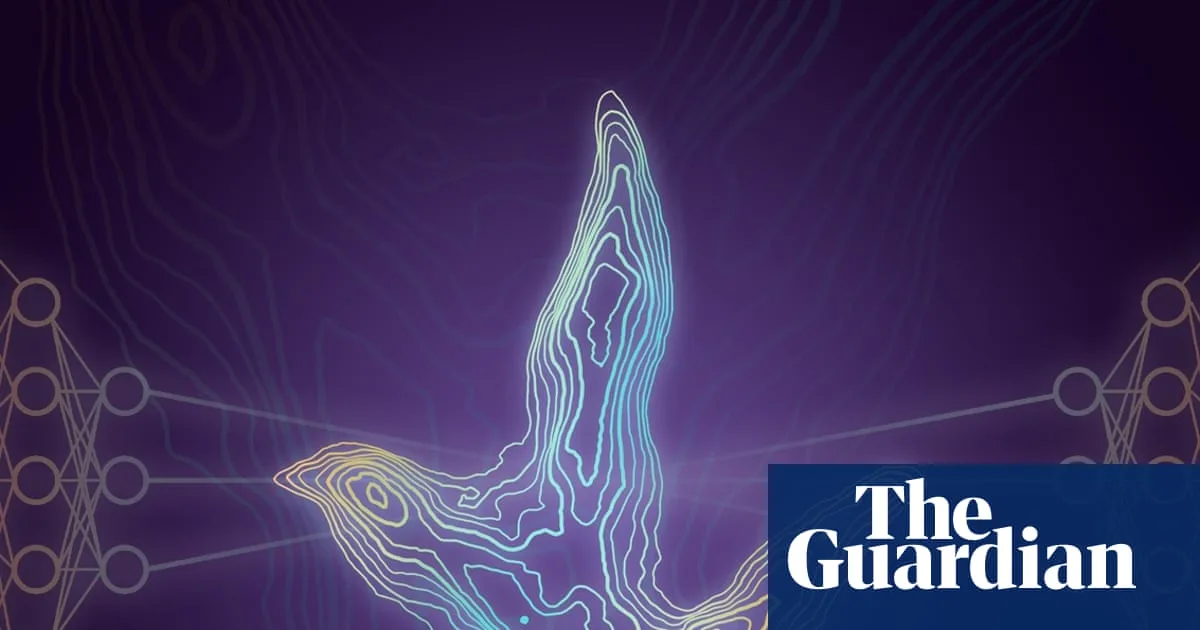
Researchers have developed an artificial intelligence system, named DinoTracker, that can identify dinosaur species from their fossilised footprints. The app, available for free, uses a novel approach that analyses unlabelled footprint silhouettes to determine similarities and differences, achieving a classification accuracy of about 90% compared to human experts.
Traditional AI systems rely on pre-labelled footprints, but these labels may be incorrect since dinosaur footprints are rarely found alongside the animals that made them. To overcome this, the team led by Prof Steve Brusatte from the University of Edinburgh fed the AI with 2,000 unlabelled footprint silhouettes. The system identified eight key features—such as toe spread, ground contact, and heel position—that capture variations in footprint shapes.
The DinoTracker app allows users to upload a footprint silhouette and explore the seven most similar footprints from the database. Users can also manipulate the eight features to see how changes affect similarity rankings. The system clusters prints in a way that matches human expert classifications about 90% of the time, though experts must still verify factors like the sediment type and geological age.

One intriguing finding is that the AI supports the observation that some footprints from the Triassic and early Jurassic periods are remarkably birdlike, despite being about 60 million years older than the oldest known bird skeleton, Archaeopteryx. Prof Brusatte noted that if these tracks were made by birds, it would imply a much older ancestry for birds. However, he cautioned that they are more likely from meat-eating dinosaurs with birdlike feet, rather than true birds.
Dr Jens Lallensack of Humboldt University of Berlin, who was not involved in the study, pointed out a limitation: the features identified by the AI may not directly reflect foot shape. He suggested that the birdlike tracks could result from how a theropod's foot sank into soft ground, rather than indicating an early appearance of birds.