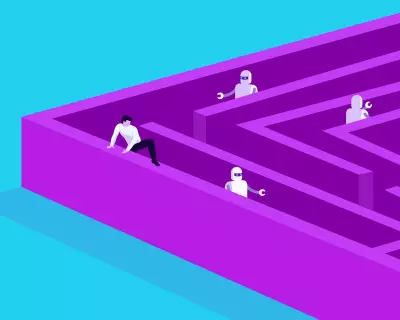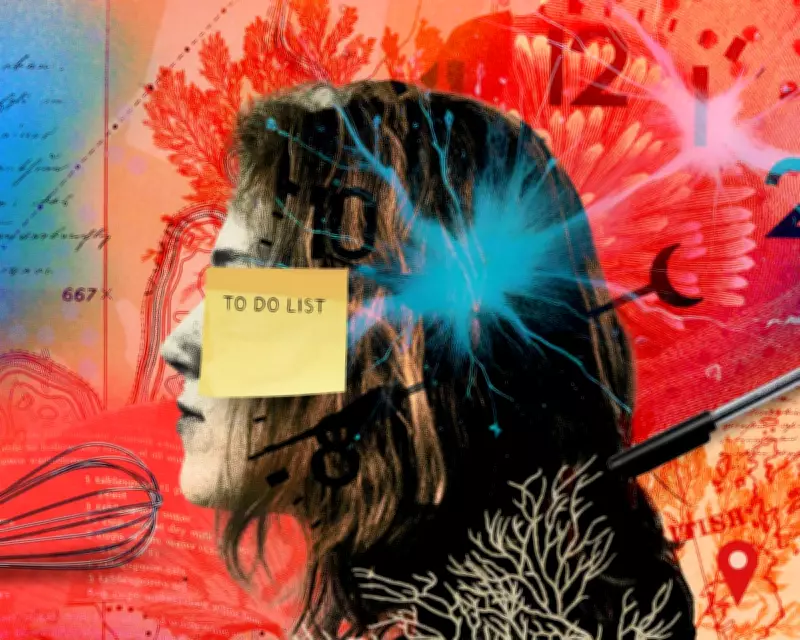
In an era dominated by digital convenience, a surprising trend called friction-maxxing is gaining traction, urging people to embrace more effortful, time-consuming ways of living. This movement, which includes activities like cooking from scratch, navigating without GPS, or reading physical books, challenges the relentless march of big tech into our daily lives. While it might sound absurd to intentionally make life harder, especially amid global tensions, proponents argue there's a deeply human value at its core.
The Origins of Friction-Maxxing
Coined by writer Kathryn Jezer-Morton in January, friction-maxxing rebrands everyday actions as acts of creative resistance. Initially, it may seem like a ridiculous rebranding of basic living—after all, our grandparents never considered meeting friends in person or remembering facts without Google as feats of superhuman effort. However, Jezer-Morton's point is precisely that these tasks aren't inherently difficult; instead, they offer sources of deep meaning and joy that we've been conditioned to overlook.
The Psychological Impact of Convenience
We've fallen for the notion that reading is boring, talking is awkward, and leaving the house is daunting, leading us to outsource emotional labour to apps. This pursuit of convenience, while appealing to tech-focused individuals, risks creating lives so efficient they become devoid of human contact. Removing these small frictions might not only make us unhappier but also less intellectually capable.

A recent study from Carnegie Mellon University and Microsoft suggests that using AI tools at work can boost efficiency but reduce independent problem-solving skills. Similarly, research from MIT indicates that writers relying on large language models show decreased brain activity in areas linked to creativity and attention. As researcher Nataliya Kosmyna notes, "Your brain needs friction to learn," highlighting how effortful engagement is crucial for memory and cognitive development.
Friction in Creative and Personal Realms
In creative processes, what might seem like menial work—such as transcribing interviews manually—is often integral to thinking. This friction allows for deeper connections and insights that AI shortcuts might miss. Beyond work, this principle extends to personal lives, where regulating emotions becomes harder in a friction-free world. Slowing down through effortful tasks can prevent impulsive actions, like sending a regrettable text, and foster patience with others.
The Broader Social Implications
Friction isn't just personal; it's social. Living with loved ones, raising children, and participating in democracy all involve rubbing against the outside world and encountering resistance. Embracing this friction is essential for love, societal engagement, and authentic thought. In a time of rapid technological advancement, maxxing out on these human experiences reminds us of what it means to be truly alive.