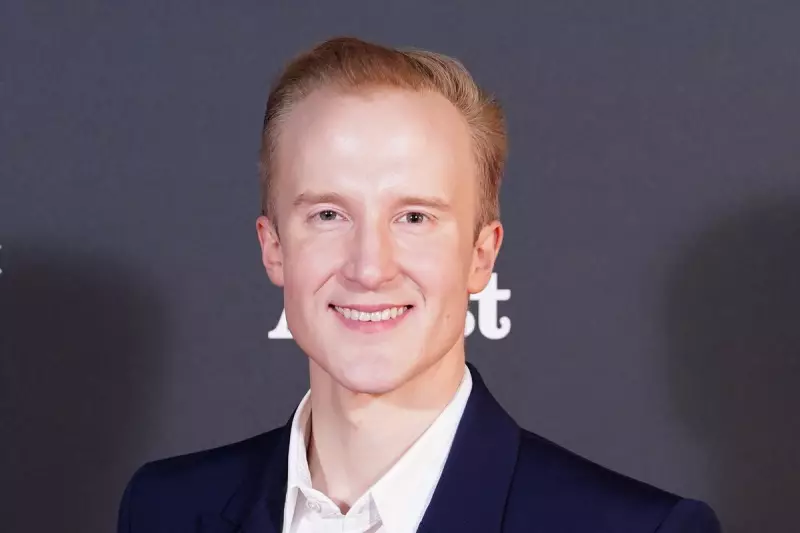
In a year marked by rapid technological and social shifts, the rules of polite conduct in Britain have undergone a significant transformation, according to leading etiquette authority William Hanson. Writing on Monday 29 December 2025, Hanson argued that while manners constantly evolve, the changes witnessed in 2025 felt particularly turbulent, moving far beyond simple 'pleases' and 'thank yous' to navigate the complexities of read receipts, voice notes, and artificial intelligence.
The New Rules of Digital Disclosure and AI Etiquette
Hanson identifies the rise of artificial intelligence as the foremost challenge to modern manners. He asserts that failing to disclose the use of AI in written communication is now considered rude, drawing a direct parallel to celebrities who use ghostwriters without acknowledgement. "It's ridiculous and poor form," he states. However, he concedes that AI can be used politely if acknowledged. He cites the example of individuals using tools like ChatGPT to draft thank-you letters, noting that while his initial reaction was one of dismay, the act of sending a letter at all remains a positive gesture.
Respecting Boundaries in the Age of Constant Connection
The responsibility for polite communication now rests heavily on the sender to respect the recipient's time and attention. Hanson explains that while enabling 'read receipts' on platforms like WhatsApp is helpful and considered polite by organised individuals, it has become standard practice for many in 2025 to switch them off to protect their digital wellbeing. Courtesy now extends to clearly signalling intent in emails and messages by using phrases like "FYI only" or "response not needed" to aid prioritisation.

He is a proponent of voice notes but emphasises a crucial new rule: never send one to someone you don't know. For contacts, he advises always providing context with a short text preview, such as "Re: ACME client," or flagging if the message is not urgent, thus allowing the recipient to manage their time effectively.
The Rise of Public Rudeness and 'Main Character' Syndrome
Hanson expresses significant concern over deteriorating public behaviour, labelling acts like speakerphone calls, watching TikTok videos, or viewing films without headphones in public spaces as hugely impolite. This 'conceit', as he calls it, assumes one's own activity is more important than the comfort of others. He remains hopeful that, much like the loud mobile phone calls of the past, this trend will eventually become socially unacceptable through continued discussion and growing irritation.
This self-absorption extends to social media, which Hanson says he has not enjoyed in 2025. He singles out ubiquitous "Get ready with me" videos as a particular low point. More broadly, he criticises the pressure to have and publicly share an opinion on every complex issue, from geopolitics to culture wars. He affirms that it is perfectly acceptable to admit "I don't know" or to simply keep one's thoughts private, especially during communal gatherings like Christmas.
A Hopeful Note: The Inherent Politeness of Gen Z
Despite these challenges, Hanson ends on an optimistic note. He defends Generation Z, who often receive negative press, by highlighting their core strength: a deep and sometimes over-conscious awareness of how their actions affect others. This fundamental consideration for others is, in his view, the very essence of good manners. If such conscientiousness is labelled 'woke', he concludes, then so be it. The future of British etiquette, therefore, may be in more thoughtful, if digitally-savvy, hands.