As the world approaches 2026, online discussions are once again turning to the predictions of famed Bulgarian mystic Baba Vanga. A specific and contentious prophecy is gaining fresh attention, suggesting the coming year will be a pivotal moment for human civilisation.
The Core 2026 Warning: A Society Realising Its Limits
Devotees of the late seer are re-examining a forecast that centres on the year 2026. The core warning is stark: our global society is nearing a point of collective awakening where it understands "it has gone too far." According to interpretations of her visions, this realisation will primarily concern the ethical boundaries of technological and scientific advancement.
Believers suggest this will not be triggered by a single catastrophic event. Instead, it will emerge gradually through a combination of escalating international tensions and rapid scientific breakthroughs that fundamentally alter human relationships and societal structures.

Specific Predictions: From Finance to Synthetic Biology
Beyond the broad ethical warning, specific interpretations of Vanga's prophecies are being linked to 2026. While many predictions of a financial meltdown are associated with 2025, analysis by outlets like the Express indicates her followers believe monetary instability will persist globally throughout 2026.
Her alleged warnings about unchecked progress in science are also in focus. The Daily Mail has highlighted one prediction concerning the swift advancement of synthetic biology and organ transplantation. On a related note, Baba Vanga is credited with foreseeing the widespread manufacturing of artificial organs, though not until 2046 at the earliest.
The Ethical Grey Area of Medical Technology
A key area where technology and ethics are predicted to clash is in healthcare. Followers point to her supposed foresight regarding major progress in cancer detection. They speculate that by 2026, multi-cancer early-detection blood tests could begin rollout in at least one major nation.
While such technology promises to identify aggressive tumours earlier, saving countless lives, it is also predicted to spark significant ethical and practical debates. Concerns are expected to arise over false positives, the strain on healthcare budgets, and questions about which demographics will have priority access to these advanced screenings.
The Prophet and the Controversy
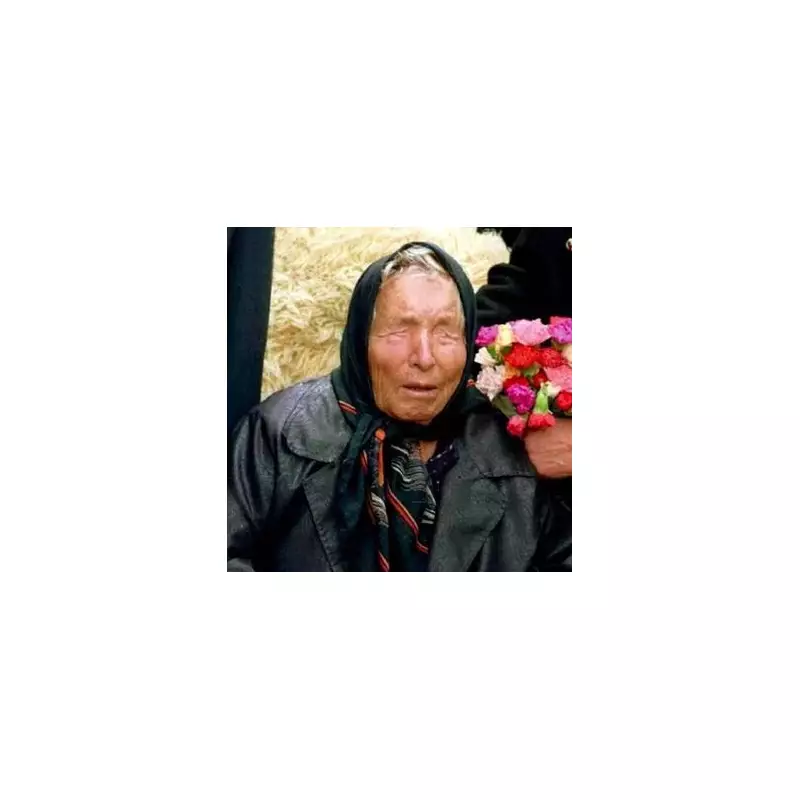
The woman behind these predictions, Vangelia Pandeva Gushterova, known as Baba Vanga, died from breast cancer in 1996 in Bulgaria. Despite leaving no written records, her niece Krasimira Stoyanova and other family members have passed down thousands of prophecies said to extend all the way to the year 5079.
Her supporters have long linked her to foretelling major global events, including the 9/11 attacks, the death of Princess Diana, and various natural disasters. However, sceptics consistently argue that her prophecies are vague and open to broad interpretation, allowing them to be retrofitted to events after they occur.
As 2026 draws nearer, the discussion around Baba Vanga's chilling warning serves as a modern-day mirror. It reflects our deep-seated cultural anxieties about the pace of innovation and the timeless question of whether our moral frameworks can keep up with our technological capabilities.