The iPod's Quiet Comeback: A New Generation Embraces Distraction-Free Listening
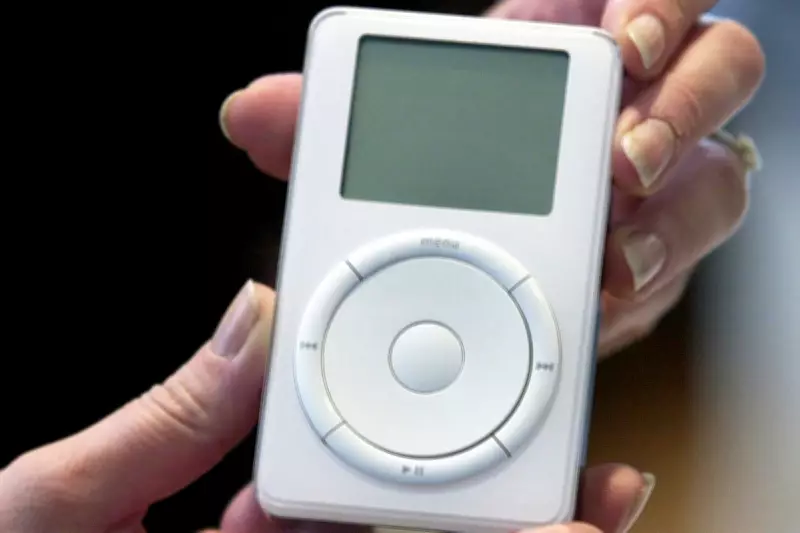
Remember the iPod? Apple's iconic digital music player, discontinued four years ago, is experiencing a surprising and significant revival. Secondhand sales are surging, fueled not just by nostalgia but by a growing movement among younger users seeking a focused, distraction-free way to enjoy music.
Driving Forces Behind the Revival
This resurgence is largely driven by a desire to escape the constant distractions of smartphones. Ben Wood, chief analyst at CCS Insight, explains, "There's a growing trend, particularly amongst younger users, to mitigate the ease with which they can be distracted by smartphones, often driven by mental health and well-being concerns." He adds that a dedicated device like an iPod helps reduce smartphone dependence and avoid activities like doomscrolling on social media when the goal is simply to listen to music.
Young people are drawn to the iPod's retro aesthetics and the appeal of playlists not dictated by algorithms, offering a more intentional and personal music experience.

How to Acquire an iPod Today
While new iPods are no longer available, obtaining a used one is relatively straightforward due to the vast number sold—450 million over two decades. A thriving secondhand market exists across various platforms:
- eBay: Thousands of listings for used iPods, though caution is advised as some sellers offer counterfeit or misrepresented items.
- Facebook Marketplace, Mercari, and Back Market: These platforms also feature numerous listings, with Back Market reporting a 48% jump in iPod sales from 2024 to 2025.
- Refurbished Specialists: Businesses dedicated to selling refurbished iPods provide another reliable option.
- Personal Connections: Many old iPods lie forgotten in drawers, making it worth asking friends or family.
Online communities are vibrant, with users sharing tips, modifications, and photos of their devices, often customized with aftermarket faceplates.
Identifying and Reviving Your iPod
The iPod family includes various models, from the original 2001 version with a scroll wheel to the iPod Classic, Mini, Nano, Shuffle, and Touch. The Touch, resembling an iPhone without phone capabilities, runs on iOS. To identify your model, consult Apple's official identification page.
If you find an old iPod, reviving it may require:
- Charging: Use a 30-pin cable for most models or a Lightning cable for later iPod Touch generations. Replacement cables are available from aftermarket manufacturers.
- Battery Replacement: Dead batteries are common and may need professional repair or DIY replacement using guides from sites like iFixit.
- Software Limitations: iPod Touch models are limited to older iOS versions, with the seventh generation supporting only up to iOS 15. Other iPod variants do not run iOS, avoiding this issue.
Adding Music and Upgrading Software
To add music, connect the iPod to a computer. Windows users can use iTunes to sync songs, while Mac users utilize Apple Music. For non-Touch iPods, only music files ripped from CDs or purchased digitally can be added; streaming is limited to later iPod Touch models.
Enthusiasts often modify iPods by replacing firmware with open-source software like RockBox. This allows for enhanced features such as high-resolution audio support, music management without iTunes, and playlist tracking for platforms like Last.fm. "There is definitely a movement of people looking to take iPods and modify them for modern use," notes Wood.
The iPod's revival highlights a broader cultural shift towards mindful technology use, blending retro charm with practical benefits for mental well-being.