Pro-Iran Groups Deploy AI Memes to Troll Trump and Shape War Narrative
Pro-Iran groups have utilised artificial intelligence to craft polished internet memes in English, aiming to manipulate the narrative during the ongoing war against the United States and Israel while fostering opposition to the conflict. Analysts indicate these memes originate from entities connected to the Tehran government, forming part of a broader strategy to leverage limited resources to inflict damage on the U.S., even indirectly. This approach mirrors Iran's tactics of using attacks and threats to control traffic through the Strait of Hormuz and maintain economic pressure globally. Although a ceasefire recently raised hopes of halting hostilities, numerous issues remain unresolved.
Propaganda War with AI Tools
Neil Lavie-Driver, an AI researcher at the University of Cambridge, emphasised the significance of this campaign, stating, "This is a propaganda war for them. Their goal is to sow enough discontent with the conflict as to eventually force the West to cave in, so it is massively important to them." This is not the first instance of memes being weaponised in conflicts, but they have evolved to incorporate AI-generated imagery in recent years. For example, AI images flooded Ukraine after the Russian invasion in 2022, and the term "AI slop" gained traction last year to describe imperfect images posted online during the Israel-Iran war, aimed at undermining nuclear programs.
In the current conflict, which began on February 28 with joint U.S.-Israel strikes, the memes feature well-honed cartoons that lambast U.S. officials. They are not only fluent in English but also deeply embedded in American culture and trolling techniques. Published across various social platforms, these memes have amassed millions of views, though their actual influence remains uncertain.

Targeting Trump and American Culture
The memes have portrayed U.S. President Donald Trump as old, out of step, and internationally isolated. They reference specific events, such as:
- Bruising on Trump's right hand that sparked health speculation
- Infighting within Trump's MAGA base
- U.S. Secretary of Defense Pete Hegseth's fiery confirmation hearing
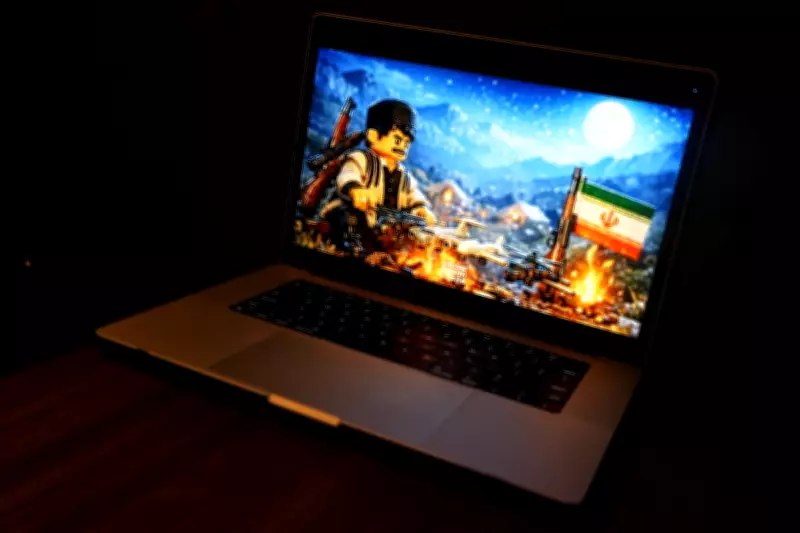
Nancy Snow, a scholar who has written extensively on propaganda, noted, "They're using popular culture against the No. 1 pop culture country, the United States." One series of pro-Iran images mimics the style of "Lego" animated movies, featuring an Iranian military commander rapping lyrics like, "You thought you ran the globe, sitting on your throne. Now we turning every base into a bed of stone," as Trump falls into a bullseye built of "Epstein files," referencing investigative records on Jeffrey Epstein.
Government Links and Sophistication
Analysts believe the groups creating these memes are cooperating with the Iranian government. Mahsa Alimardani, a director at the human-rights group WITNESS, explained that the animations' sophistication and internet access suggest ties to government offices. "If you're able to have the bandwidth needed to generate content like that and upload it, you are officially or unofficially cooperating with the regime," she said, pointing to Iran's severe internet restrictions imposed during recent nationwide protests.
State media has reposted some memes, including those from the account "Akhbar Enfejari" (Explosive News), which claims to be an independent group of Iranians with no government connection. In a statement to The Associated Press via Telegram, the group asserted, "We don't even receive any funding. We're just a group of friends working voluntarily—paying for our own internet, using our own laptops and computers, and doing all of this ourselves." They aim to disrupt Western media dominance, stating, "They've long dominated the media landscape and, through that power, imposed narratives on many nations. But this time, something feels different. This time, we've disrupted the game. This time, we're doing it better."

Broader Propaganda Efforts
In addition to memes from pro-Iran groups, Iranian government accounts have trolled the U.S., such as a post from Iran's Embassy in South Africa declaring, "Say hello to the new world superpower," with an image of the Iranian flag. Both the U.S. and Iran declared victory after agreeing to a ceasefire. Analysts attribute the deep understanding of U.S. politics and culture to decades-old propaganda methods, with Alimardani noting, "This meme war comes from institutions that are very aware what the American public is aware of and pop cultural references that can appeal to them."
U.S. and Israeli Responses
Analysts observe that the U.S. and Israel are not engaging in similar campaigns. Given Iran's internet restrictions, reaching ordinary Iranians with such messages would be challenging. Early in the war, Israeli Prime Minister Benjamin Netanyahu released an AI-enhanced video in Farsi urging Iranians to overthrow their government. The White House has produced memes targeting a U.S. audience, featuring clips from American TV shows and sports. The U.S. government-run Voice of America continues Farsi broadcasts, albeit with reduced staff since Trump ordered its shutdown.
Nancy Snow concluded, "This world order is really changing overnight and the U.S. is not going to end up necessarily as the state that everybody listens to." This highlights the shifting dynamics in global influence and the evolving role of AI in modern propaganda warfare.