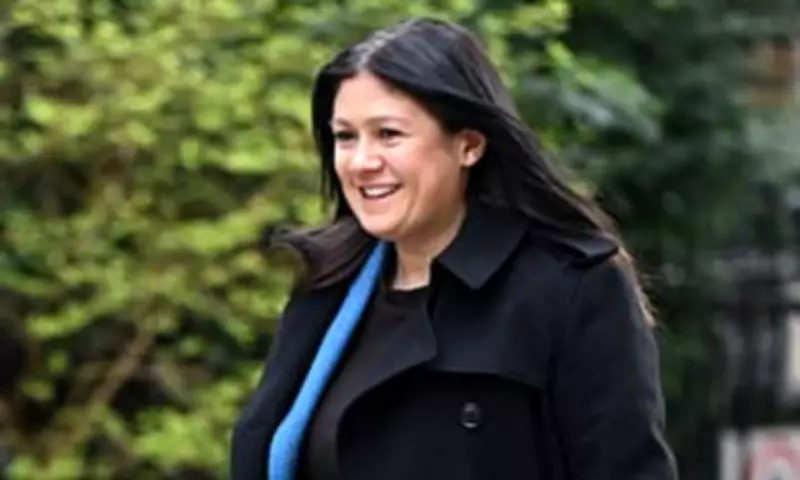
Culture Secretary Lisa Nandy has publicly acknowledged that the Government committed a significant 'mistake' by initially attempting to force artists, musicians, and publishers to 'opt out' of having their copyrighted work mined by Artificial Intelligence systems. This admission follows Labour's recent policy reversal, where they abandoned controversial plans that would have required creative professionals to formally object to their work being utilised by major technology corporations for AI training purposes.
Major Backlash from Creative Industries
The Government's decision to backtrack on these proposals came after an intense and widespread backlash from prominent figures within the creative community. Esteemed artists including Sir Elton John and global pop sensation Dua Lipa vocally opposed the original scheme, arguing that it undermined fundamental copyright protections. The Daily Mail has been actively campaigning for authors, publishers, and musicians to receive fair compensation and have their intellectual property rights respected, highlighting concerns that tech giants are seeking exceptions to copyright law to train AI machines without paying or crediting original creators.
Nandy's Candid Admission
In an interview with The House magazine, Ms Nandy reflected on the Government's initial approach, stating: 'Eighteen months ago, we attempted to initiate a dialogue with both the creative industries and technology companies, where we outlined that an opt-out mechanism was our preferred option. That was a mistake, and we heard loud and clear through the consultation process that this was not the appropriate approach. Consequently, we have listened to feedback and responded accordingly, with Liz Kendall and I working in complete unison on this matter.'

The Wigan MP emphasised the core principle underpinning British copyright law, asserting: 'Copyright law in this country is founded on one very fundamental principle, which is that individuals should own their own creative work.' This statement reinforces the Government's revised stance that any future reforms must adequately compensate and protect creators from exploitation.
Government Abandons Preferred Option
Following the extensive consultation, the Government released a report indicating it 'no longer maintains a preferred option' regarding copyright exceptions for AI training. Previously, ministers had advocated for an exception that would allow technology firms to use copyrighted material without requiring licences, placing the burden on creators to actively opt out to prevent their work from being utilised. Technology Secretary Liz Kendall acknowledged that this methodology was 'overwhelmingly rejected by the vast majority of the creative industries,' prompting the policy shift.
Cabinet Disagreement on Tech Relations
Ms Nandy also addressed comments made by Business Secretary Peter Kyle in 2024, who suggested that governments should demonstrate humility towards technology companies. Responding sceptically, Nandy remarked: 'That sounds like an AI-generated statement - did you obtain that from an AI system?' In a pointed rebuttal to her Cabinet colleague, the Culture Secretary added: 'I disagree with that perspective... I believe governments are elected to represent and defend the interests of the people.' This exchange highlights ongoing tensions within the Government regarding the appropriate relationship between state regulation and technological innovation.
The Labour U-turn represents a significant victory for creative professionals and copyright advocates, ensuring that future AI development must respect intellectual property rights and provide fair remuneration for original work. The Government's revised approach now focuses on balancing technological advancement with robust protections for artists, musicians, and publishers, marking a pivotal moment in the ongoing debate over AI ethics and copyright law in the digital age.