OpenAI Foundation Pledges $1 Billion in Grants to Ensure AI 'Benefits All of Humanity'
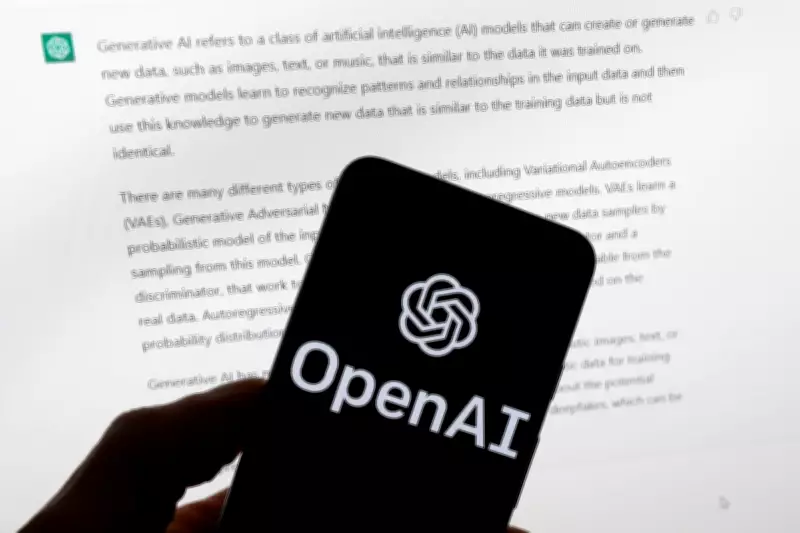
The nonprofit that controls the artificial intelligence maker OpenAI pledged on Tuesday to grant out $1 billion in the next year and to build up its capacity as a philanthropic funder. This significant commitment marks a major development in OpenAI's charitable activities, offering insight into how the company, which originated as a nonprofit, intends to execute its mission of developing AI for the benefit of "all of humanity."
A Vision for AI's Positive Impact
In a statement released on Tuesday, OpenAI articulated its ambitious goals: "We aim to enable the use of AI to find solutions to humanity’s hardest problems, transform what people are capable of, and deliver real benefits in people’s lives — while working hard with partners to be ready for new challenges, and to help make society resilient, as AI advances." The new funding will specifically target life science and health research, while also seeking to mitigate some of the adverse impacts of AI technologies on jobs, the economy, and mental health, with a particular focus on children.
This pledge follows a previous commitment made by the OpenAI Foundation in October to spend $25 billion on similar causes, although that earlier announcement did not specify a time frame. To oversee its expanded grantmaking efforts, the foundation will recruit a new executive director, signaling a renewed focus on its philanthropic role.

Evolution of OpenAI's Nonprofit Activities
OpenAI began as a nonprofit research lab in 2015 but has undergone significant structural changes in recent years as it developed commercial technologies like ChatGPT and its for-profit subsidiary, now one of the world's most highly valued startups. In October, the organization finalized an agreement with regulators that maintained the nonprofit board's control over the for-profit business while facilitating profit opportunities for investors and the company. This deal also clarified the nonprofit's ownership stake, valued at $130 billion at the time, positioning it as one of the best-resourced nonprofits in the country.
However, since incorporating its for-profit business in 2019, OpenAI's nonprofit activities have seen a notable decline. Public tax filings reveal that expenses dropped from $51 million in 2018 to $3.3 million the following year. In 2024, the most recent year reported to the Internal Revenue Service, the nonprofit received $4,433 in contributions and granted out $7.6 million.
Brian Mittendorf, a professor of accounting and public affairs at The Ohio State University specializing in nonprofits, cautioned that tax forms may not fully capture OpenAI's activities or their alignment with its charitable mission. "People tend to focus on the financial part of that," Mittendorf noted in an email. "Is the immense value creation being used to further a charitable objective? But an equally important piece is whether the product they are developing is serving humanity as they envisioned."
Recent Efforts to Revitalize the Nonprofit
In 2025, OpenAI took steps to reinvigorate its nonprofit arm by convening a temporary advisory board. This board, which included labor leader Dolores Huerta, provided nonbinding guidance on structuring philanthropic activities while negotiations continued with regulators and investors regarding the nonprofit board's oversight of the business. The advisory board ultimately recommended that OpenAI significantly increase resources for its nonprofit and engage extensively with communities to understand AI's impacts as it shapes its grantmaking.
In December, the nonprofit announced $40.5 million in grants to community-based organizations to support AI literacy, strengthen civic life, and foster economic opportunity. This move aligns with the foundation's new vision for charitable grantmaking, which emerges amid growing concerns from communities nationwide about issues such as data centers driving up electricity costs, lawsuits alleging AI chatbots exacerbate mental health crises, and debates over the suitability of new AI technologies for military use.
The Associated Press coverage of philanthropy and nonprofits is supported through a collaboration with The Conversation US, with funding from Lilly Endowment Inc. The AP retains sole responsibility for this content.