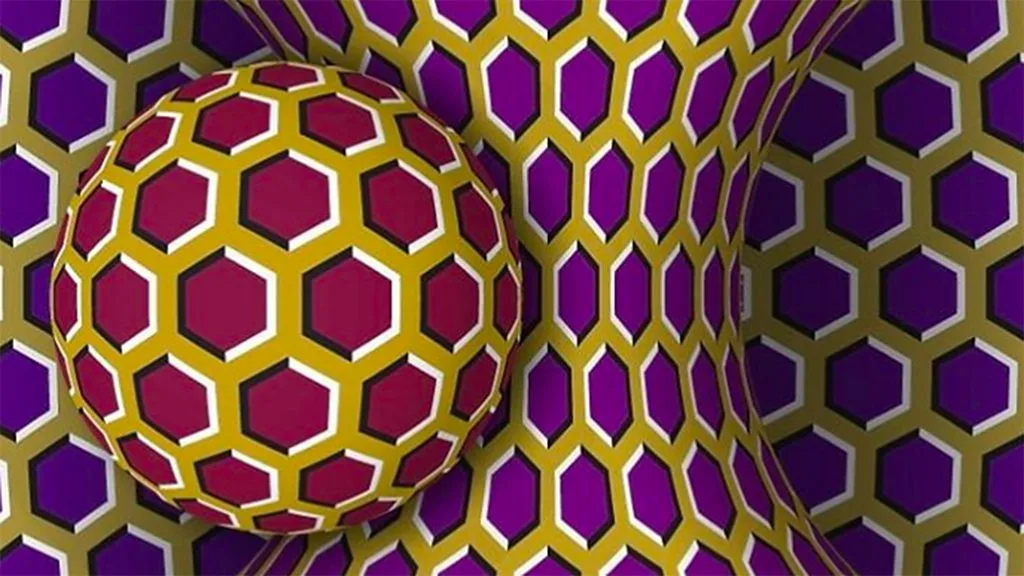
A viral optical illusion that has been circulating on Twitter, causing dizziness and drowsiness among UK viewers, has been debunked. The image, which appears to move despite being static, was falsely claimed to indicate stress levels based on how fast it seemed to move.
The illusion was originally created by Yurii Perepadia, a 50-year-old designer from Oleksandriya, Ukraine, in 2016. He drew it in Adobe Illustrator in about two hours, using an effect by Japanese psychologist Akiyoshi Kitaoka. Perepadia told BBC Three that the image has nothing to do with stress, contrary to viral posts attributing it to a Japanese neurology professor named Yamamoto.
The false claims suggested that if the image moved slowly, the viewer was stressed or tired, and if it moved continuously, they were over-stressed or had mental problems. Perepadia expressed annoyance at the misinformation and copyright infringement, and he successfully worked to correct the record by posting the truth on his Instagram.

Experts advise that optical illusions are not a reliable method to assess mental health. Anyone concerned about their stress levels should consult a qualified professional rather than self-diagnosing based on social media posts.