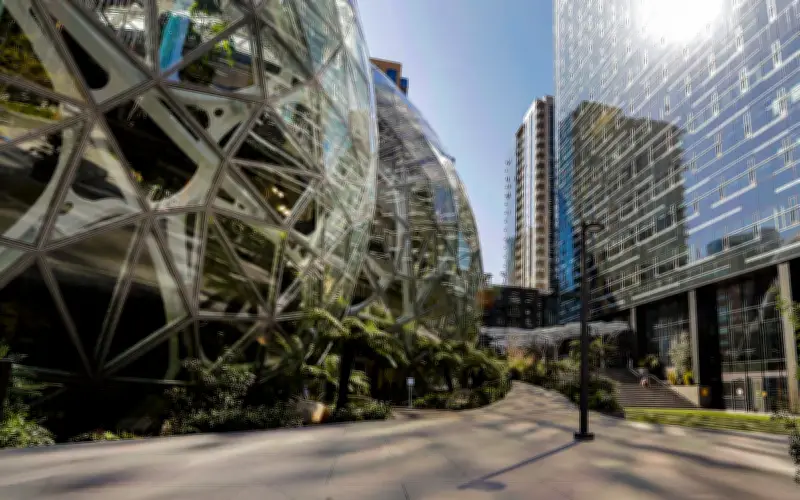
Seattle has become the first major US city to ban the construction of new artificial intelligence data centers, citing concerns over energy consumption and environmental impact. The ban, approved by the city council in a 7-2 vote, aims to protect the local power grid and support climate goals.
Energy and Climate Concerns
The rapid expansion of AI technologies has driven a surge in demand for data centers, which consume vast amounts of electricity. Seattle, which relies heavily on hydropower, fears that new data centers could strain the grid and undermine its commitment to reducing carbon emissions. Councilmember Lisa Herbold, a sponsor of the legislation, stated that the ban is necessary to ensure that energy resources are used efficiently and sustainably.
Economic Implications
Opponents of the ban argue that it could stifle innovation and deter tech investment in the region. The Seattle Metropolitan Chamber of Commerce warned that the decision might push data center projects to neighboring cities or states, potentially costing jobs and tax revenue. However, supporters counter that the long-term environmental benefits outweigh short-term economic losses.

The ban applies to new data center construction but does not affect existing facilities or expansions of current sites. It also includes provisions for exceptions, such as centers powered entirely by renewable energy or those that meet strict energy efficiency standards.
Seattle's move comes amid a broader national debate over the environmental cost of AI. Other cities, including Portland and San Francisco, are considering similar measures. The decision is expected to influence policy discussions across the country.