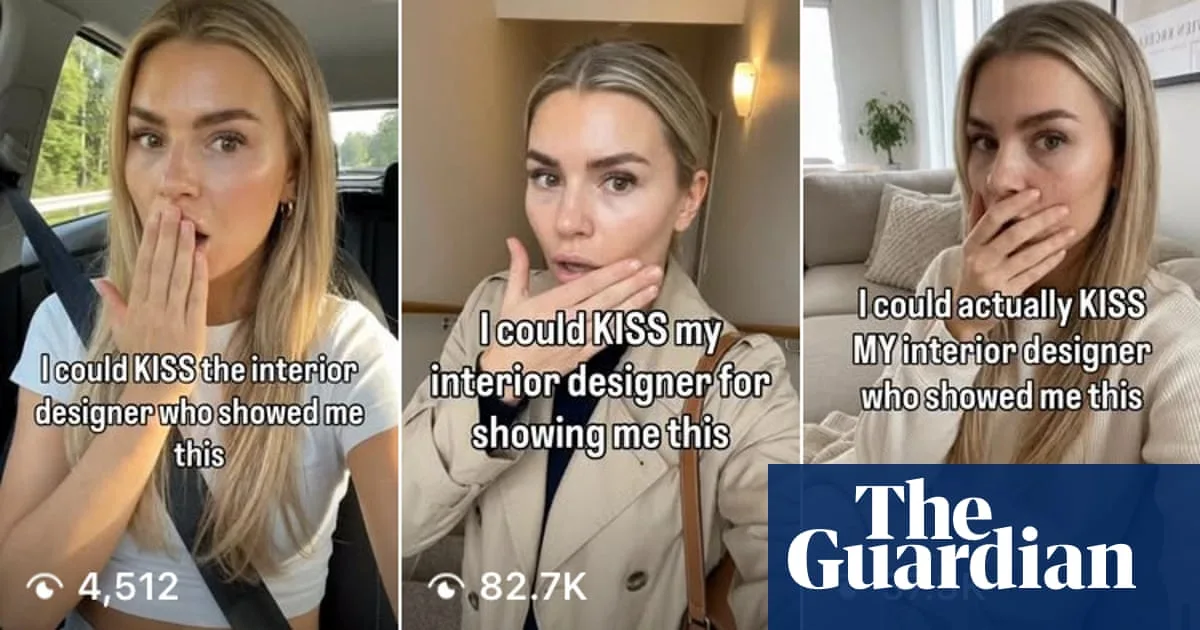
An investigation by The Guardian has revealed that brands are increasingly using AI-generated influencers on social media to promote products, often without informing consumers that the people featured are not real. The practice has raised concerns about transparency and consumer protection, particularly as no specific UK rules require labelling of AI-generated advertising content.
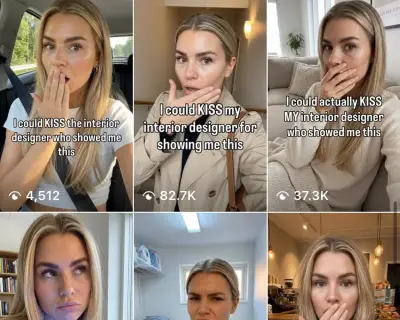
Examples include a photo app called Once, which appears to have used AI-generated videos of a bride praising its service on Instagram. Another video shows an AI-generated woman endorsing the Maket app for interior design. Maket acknowledged the use of AI influencers as a small-scale experiment. Fashion brand Ashle, based in Dubai, posted AI-generated images of models, later removing them after being contacted by The Guardian.
Consumer group Which? expressed alarm, noting that 70% of people cannot reliably identify deepfakes. Editor Lisa Barber called for mandatory transparency when AI influencers are used. The Advertising Standards Authority (ASA) stated that its rules do not explicitly ban undisclosed AI content, but such ads must not be misleading or socially irresponsible.

The findings come as the EU prepares to enforce the Artificial Intelligence Act in August, requiring labelling of AI-generated content, but this legislation will not apply in the UK. Some content creators reportedly signed non-disclosure agreements to conceal their work on AI influencer campaigns.