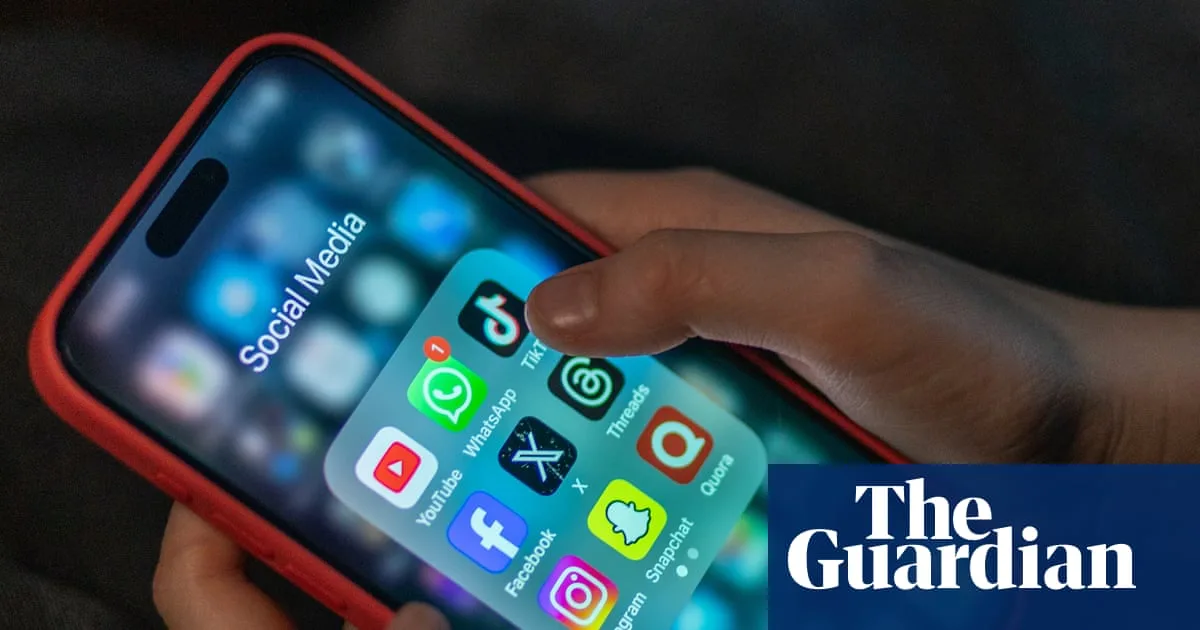
A pioneering study in the UK will investigate the impact of restricting social media access for children, as politicians worldwide consider action on the issue. The trial, involving 4,000 children across 30 secondary schools in Bradford, West Yorkshire, will explore effects on mental health, sleep, and time spent with friends and family.
Led by Professor Amy Orben of the University of Cambridge and Dr Dan Lewer of the Bradford Centre for Health Data Science, the study will randomly assign year groups to either have their social media use recorded or limited to one hour per day with a curfew from 9pm to 7am. Messaging apps like WhatsApp will not be restricted to allow family communication.
After a pilot phase in April, the main study begins in October, with first results expected in summer 2027. The researchers aim to provide high-quality evidence on the effects of limiting social media, which has not been studied experimentally on a large scale in healthy children.

Meanwhile, members of the House of Lords are preparing to vote on an amendment to the children’s wellbeing and schools bill that would introduce an outright ban on children using social media. The amendment, backed by peers from all major parties, has support from some Labour peers and 61 Labour MPs who wrote to the prime minister urging action.
Technology Secretary Liz Kendall assured MPs that the government’s consultation on the issue would conclude by the summer. However, Lord John Nash, who brought the amendment, insisted on immediate legislation, warning of a “societal catastrophe” without swift action to raise the age limit to 16.