Mindfulness has surged in popularity over the past few years, with downloads of mindfulness apps rising by 25 per cent during the first UK lockdown, according to TechCrunch. This trend is not solely pandemic-driven; journalist Amanda Montell notes in her book The Age of Magical Overthinking that collective mental health has declined over 30 years, prompting people to seek grounding and positivity through mindfulness.
The NHS states that paying attention to the present moment can improve mental wellbeing and self-understanding. Modern mindfulness blends ancient Buddhist and Eastern philosophy with cognitive behavioural therapy, meditation, breathwork, and somatic exercises. It aims to reduce stress, rewire thought patterns, and foster positive self-talk, without requiring spirituality.
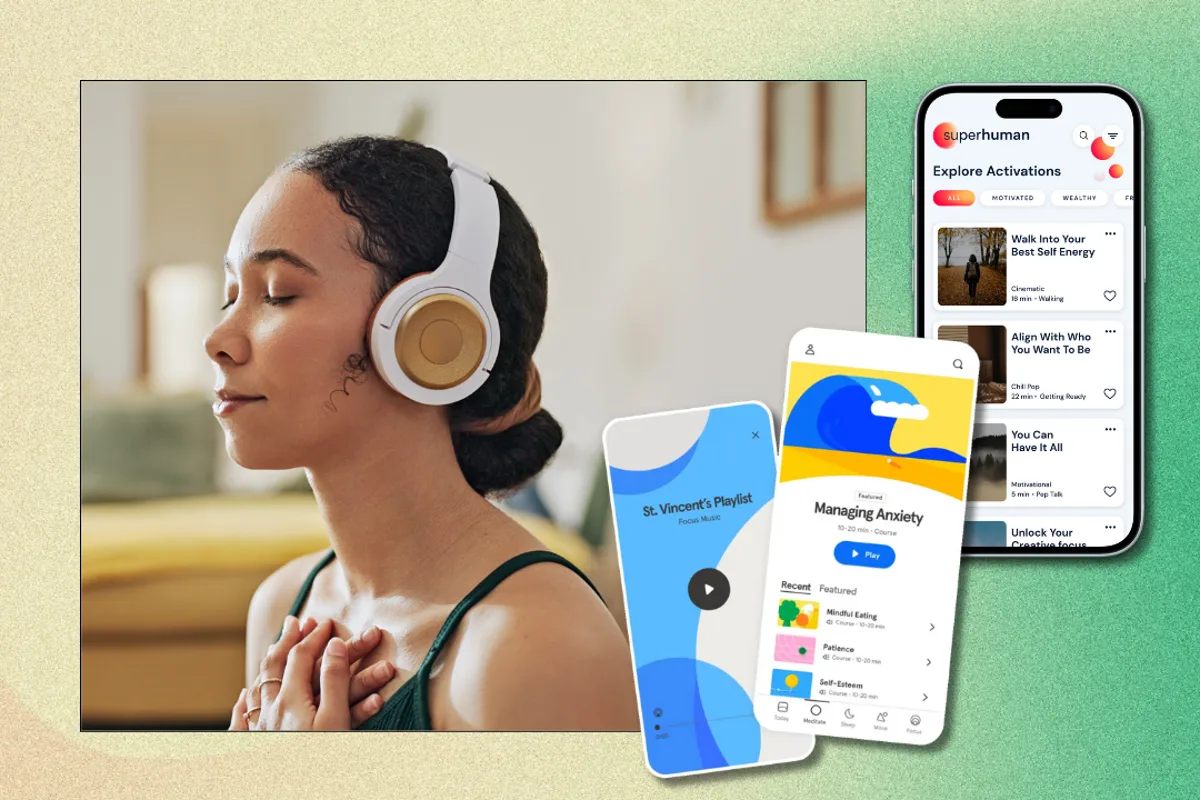
To help beginners and experts alike, we tested 14 mindfulness apps, evaluating features, content quality, personalisation, design, mood impact, and value. Most apps offer free trials, so users can find the best fit. Options range from guided meditations to bedtime stories, calming sounds, and daily mantras.

One standout is Portal, which transports users to relaxing global locations via nature sounds, such as Hawaiian waves or Swiss log fires. It includes breathing exercises and a focus section to boost productivity, and can be mixed with other audio apps.