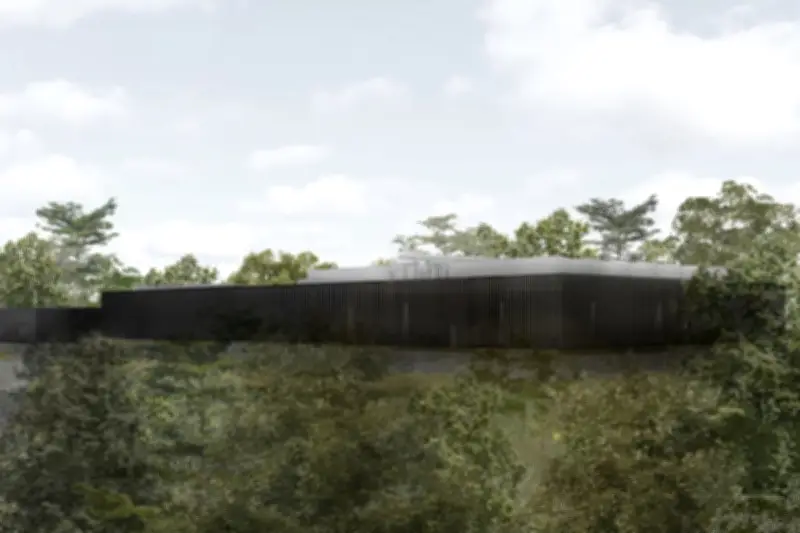
Construction work has started on the UK's new £750 million national supercomputer in Midlothian, a machine that will be around 50 times more powerful than its predecessor. Hosted by the University of Edinburgh and owned by UK Research and Innovation (UKRI), the supercomputer is expected to drive discoveries in extreme weather prediction, cancer drug research, and aircraft engineering.
A Profound Leap in Compute Power
The machine, funded by up to £750 million from the UK Government, will be roughly 50 times more powerful than the current national supercomputer, Archer2, which is also housed at the university. It will feature thousands of the latest processors and perform at least a billion-billion calculations per second, compared to Archer2's 20 million-billion calculations per second. This capability will reduce complex calculations from days to hours.
Professor Mark Parsons, director of the EPCC, the National Supercomputing Centre at the university, said: “You would never guess from this ordinary-looking building site just how vitally important it will be for the UK and how its contents could impact on all of our lives positively. This marks a profound leap in compute power for the UK. The value of this supercomputer across our society is vast, and will aid strong industry, a healthier economy and a happier population.”

Construction Timeline and Design
The building, approximately the size of a supermarket, is being constructed by Robertson Construction Central East near Penicuik. Construction is expected to finish by the end of 2027, with the system ready for use by spring 2028. The university was chosen as the host in recognition of EPCC's over 30 years of leadership in high-performance computing.
Strategic Importance for AI and Science
UK AI minister Kanishka Narayan said: “Today’s milestone in Edinburgh marks a decisive step in delivering our compute roadmap – building the sovereign computing power Britain needs to stay in control of its future in AI and science. For decades, Edinburgh has been at the heart of world-leading supercomputing. This new machine takes that further, making sure UK researchers, businesses and innovators have the cutting-edge power they need here in the UK, rather than relying on others. This is what will unlock the next generation of breakthroughs – from training more powerful AI systems to accelerating scientific discovery and creating new products and high-growth businesses. It is our industrial strategy in action, turning British ideas into the jobs and industries of the future.”
Garth Wells, deputy executive chairman of the Engineering and Physical Sciences Research Council at UKRI, added: “The commencement of construction in Edinburgh marks a pivotal moment for the UK’s scientific infrastructure. We are providing the UK’s brightest minds with the ‘industrial-scale’ tools required to solve society’s most complex challenges, from decoding the next generation of life-saving medicines to engineering a net-zero future. This £750 million investment isn’t just about speed; it’s about economic growth, and ensuring the UK remains the premier destination for global innovation.”
Sustainability and Cooling
The supercomputer has been designed to be more efficient than existing models. Surplus heat will be used to warm university buildings. Locating the computer in Scotland, where the air is often cooler, will aid natural cooling and reduce energy consumption when combined with advanced cooling technology.