British holidaymakers lost more than £11 million to travel scams in 2025, with fraudsters using increasingly sophisticated tactics such as fake flight cancellation texts and cloned airline websites, experts warn.
Travel expert Jane Bolton, managing director of ski holiday provider Erna Low, has highlighted eight common scams that are catching travellers out. Among them are unusually cheap deals, which Bolton says are major red flags. 'If a price seems suspiciously low compared to the market, it's wise to be cautious,' she advises.
Another prevalent scam involves fraudsters sending fake emails or texts about cancelled flights or hidden fees, often using official logos to create a false sense of urgency. Bolton recommends logging into your booking account directly through the official website rather than clicking on links in messages.

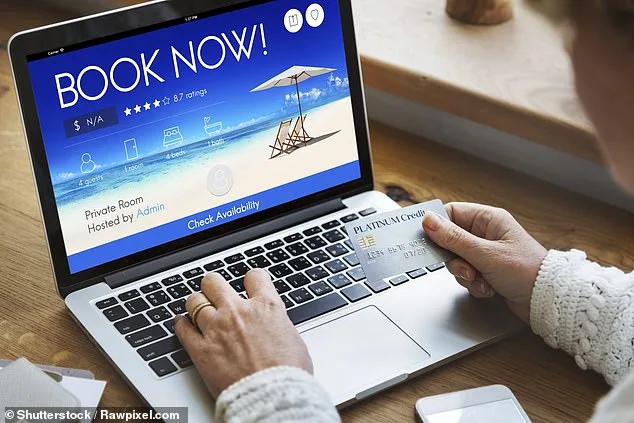
Cybercriminals are also building fake websites that mimic famous airlines and travel brands, with web addresses differing by just a single letter. Bolton advises typing the official URL directly into your browser and double-checking the web address carefully.
Other scams include fraudsters targeting holidaymakers on Booking.com by sending false messages from hotel accounts, and posing as airline workers to demand payment for 'seat guarantees'. Bolton urges travellers to keep all messages and payments within official platforms to ensure protection.