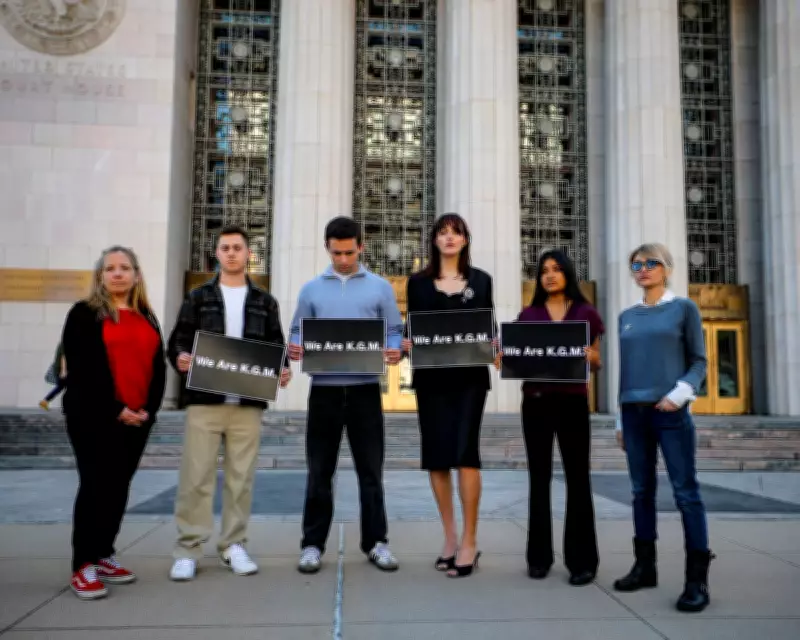
A landmark legal trial has commenced, targeting two of the world's largest social media platforms, Meta and YouTube, over allegations that their algorithms are designed to promote harmful and divisive content. The case, which could set a significant precedent for the tech industry, focuses on claims that these platforms have knowingly used sophisticated algorithms to amplify misinformation, hate speech, and other damaging material, thereby contributing to societal harm and violating user trust.
Background of the Case
The trial stems from a series of investigations and lawsuits filed by regulatory bodies and advocacy groups, who argue that Meta and YouTube have prioritised engagement and advertising revenue over public safety. Evidence presented in court includes internal documents and whistleblower testimonies suggesting that algorithms were tweaked to maximise user time on site, often at the expense of content moderation. This has led to widespread concerns about the impact on mental health, political discourse, and community cohesion.
Key Allegations and Evidence
Prosecutors allege that both companies have developed algorithms that systematically favour sensationalist and polarising content, which tends to generate more clicks and interactions. For instance, studies cited in the trial show that videos promoting conspiracy theories or violent ideologies often receive higher visibility on YouTube, while Meta's platforms have been linked to the spread of false information during elections and health crises. The defence, however, contends that these algorithms are neutral tools aimed at personalising user experience and that the companies have invested heavily in moderation efforts.

Potential Implications for the Tech Industry
If found liable, Meta and YouTube could face substantial fines and be forced to overhaul their algorithmic systems, potentially leading to stricter regulations across the social media landscape. Experts warn that this trial might inspire similar legal actions against other tech giants, prompting a global shift towards greater accountability in digital spaces. Additionally, it could influence upcoming legislation in various countries, aiming to balance innovation with ethical standards in technology development.
Global Reactions and Stakeholder Perspectives
Reactions to the trial have been mixed, with some praising it as a necessary step towards curbing online harms, while others caution against overregulation that might stifle free speech and technological progress. Advocacy groups have called for transparent algorithms and independent audits, whereas industry representatives argue that self-regulation and improved AI tools are sufficient to address these issues. The outcome is expected to have far-reaching consequences for users, advertisers, and policymakers worldwide.
As the trial progresses, all eyes are on the courtroom, where decisions made could redefine the future of social media and its role in society. The proceedings are anticipated to last several months, with verdicts likely to spark debates on digital ethics and corporate responsibility for years to come.