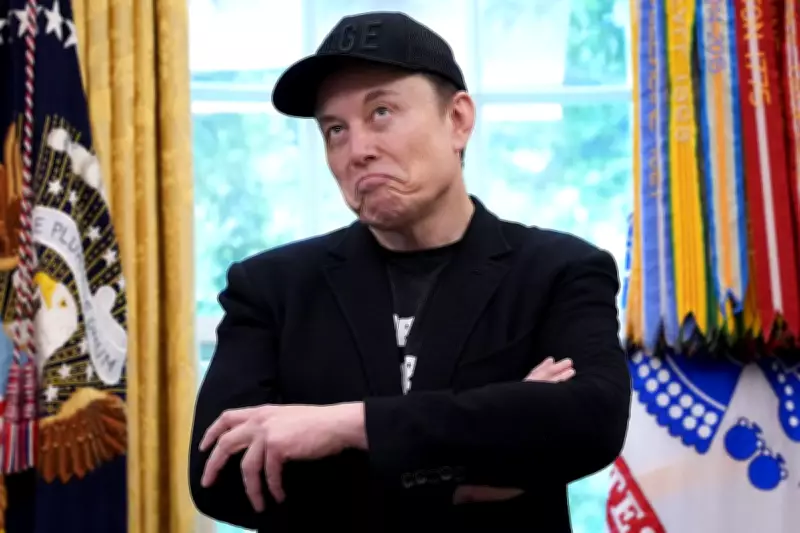
Elon Musk and Jon Stewart Engage in Public Feud Over X Algorithm Criticism
Elon Musk and comedian Jon Stewart have become embroiled in a heated online exchange following Stewart's sharp criticism of Musk's social media platform, X. The dispute centers on allegations that X's algorithm promotes right-wing content and misinformation, with both figures trading barbs over propaganda and personal conduct.
Stewart's Critique of X's Algorithm
On his podcast, The Weekly Show, Jon Stewart launched a pointed attack against X, arguing that its algorithm, which he claims was designed by Musk, actively incentivizes the spread of misinformation. Stewart contended that this algorithmic bias poses a greater threat to democratic processes than issues like undocumented voting, suggesting it warps public discourse and undermines trust in institutions.
He elaborated that the platform's design encourages engagement through controversial or polarizing content, leading to a distorted information ecosystem. Stewart's comments reflect growing concerns among critics about the role of social media in shaping political narratives and public opinion.

Musk's Response and Counterattack
Elon Musk swiftly responded to Stewart's criticism on X, dismissing the comedian's claims and labeling him an "extremely skilled propagandist disguised as a truth-teller." Musk's retort accused Stewart of hypocrisy, implying that his critique was itself a form of manipulation aimed at discrediting X and its founder.
In a follow-up post, Musk did not address the specific allegations about the algorithm but instead focused on Stewart's credibility, suggesting that his media persona masks ulterior motives. This response highlights Musk's defensive stance amid ongoing scrutiny of his platforms and business practices.
Stewart's Retort and Personal Revelations
Jon Stewart fired back at Musk, calling him an "extremely skilled propagandist" in return and revealing that Musk had "ghosted him" after previously agreeing to appear on his show in February 2025. Stewart disclosed that the interview was contingent on it airing unedited, a condition that Musk had initially accepted before backing out without explanation.
Stewart also made pointed references to Musk's involvement with former President Donald Trump's DOGE operation, a cryptocurrency initiative, and joked about Musk's personal life in relation to being ignored. These personal jabs added a layer of acrimony to the exchange, shifting the focus from policy debates to interpersonal conflicts.
Broader Implications for Social Media and Democracy
This public spat underscores broader tensions surrounding social media platforms, algorithmic transparency, and their impact on democracy. Critics like Stewart argue that unchecked algorithms can amplify extremist views and false information, while defenders, including Musk, often frame such criticisms as attacks on free speech or entrepreneurial innovation.
The exchange also touches on issues of celebrity influence and media accountability, with both figures leveraging their public platforms to shape narratives. As debates over tech regulation and misinformation continue, incidents like this highlight the volatile intersection of politics, technology, and entertainment in the digital age.
In summary, the clash between Elon Musk and Jon Stewart reveals deep divisions over the role of social media in society, with accusations of propaganda and personal betrayals fueling a highly publicized dispute that resonates beyond their individual personas.