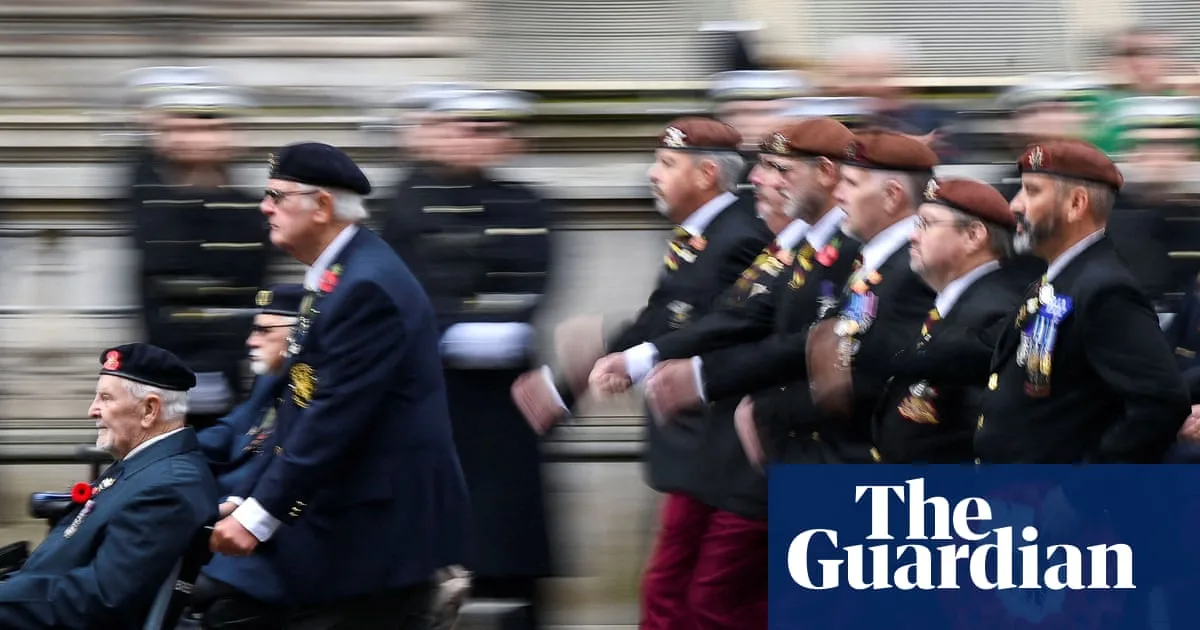
Former military personnel will be used to test the UK government's digital ID scheme from Friday, when ministers make a smartphone-based veteran card available to 1.8 million people. The proof of service, currently a physical card giving access to charities, retail discounts and public services, will be the first of several official credentials the government wants to carry in a government app.
Digital driving licences will be in development by the end of this year, and by the end of 2027, digital versions of every government-issued credential, including disclosure and barring checks, will be offered for voluntary use. Prime Minister Keir Starmer wants to make carrying a digital ID mandatory for anyone proving their right to work in the UK by the end of this parliament.
The plan has sparked cross-party opposition and a 2.9 million-signature petition calling for it to be dropped. But Technology Secretary Liz Kendall complained of 'scaremongering' and said digital IDs would not track citizens or pool private information into a central dataset. Ministers hope the digital veteran card will show how the technology works and ease privacy and security concerns.

The Royal British Legion called the card 'a positive development', but other veterans oppose it. Stephen Kent of Veterans Association UK said: 'We don't need it. It’s not for what Labour says it’s for … A lot of veterans don’t like the idea of it [and that they] are using us as an experiment.'
Veterans will hold the credential in the Gov.uk One Login app, stored under encryption and accessed via face ID or fingerprint. The government says it is safer than physical IDs, with no central database of all ID data. The Conservatives, Liberal Democrats and SNP have opposed the plan, as have some Labour MPs including Richard Burgon, who said it threatened 'civil liberties and our data security'.