Chinamaxxing Meme: A Jarring Cultural Phenomenon
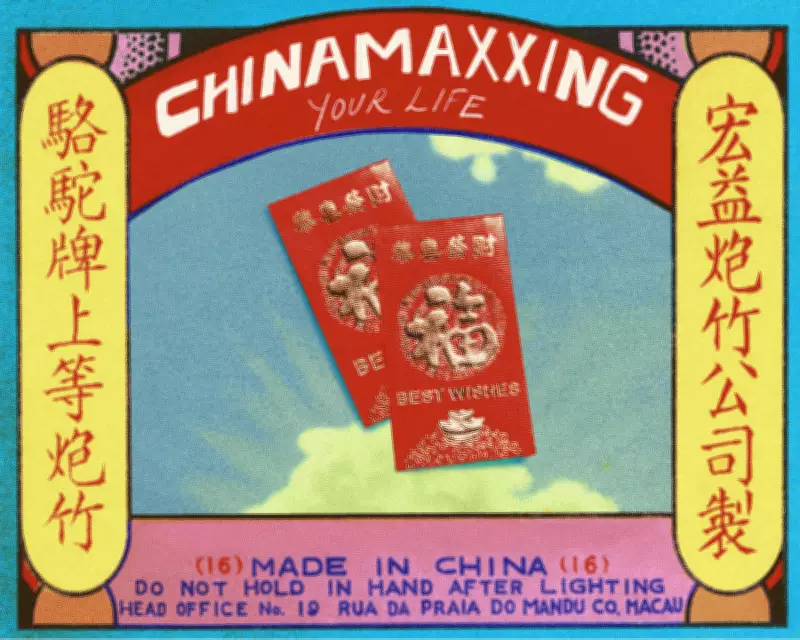
The Chinamaxxing meme embodies a dual nature: it can be both rebellious and utterly meaningless. As one content creator notes, 'When people say they’re becoming Chinese, no one actually means that.' This trend, which involves non-Chinese individuals adopting aspects of Chinese culture, has ignited complex feelings among those of Chinese heritage.
When Culture Becomes a Viral Sensation
Originating in mid-2025, the Chinamaxxing trend saw creators drinking hot water, wearing slippers indoors, using chopsticks, consuming Chinese food, and donning red clothing. These videos amassed hundreds of thousands of views, first on TikTok and later on Instagram and X. Michelle She, a London-based fashion label owner, explains, 'People are trying to be more Chinese regardless of what their heritage is.' Variations include phrases like being in one’s 'Chinese era' or referencing a 'very Chinese time of my life.'
Digital Trends as Cultural Responses
Jamie Cohen, an associate professor of media studies at Queens College in New York, argues that digital trends like Chinamaxxing are not merely aesthetic. They respond to broader cultural shifts, including disillusionment with the West, a wellness obsession, and historical exoticisation of the East. Cohen states, 'It’s a response to cultural changes – and a lot has been happening.' In typical internet fashion, the trend is both nonsensical and reductive.

Tingting Liu, a research fellow at the University of Technology Sydney, adds, 'What’s spreading globally is not China in its full complexity, but fragments of everyday life.' This reduction has led many in the Chinese diaspora to describe the trend with one word: jarring.
Mixed Reactions from the Diaspora
For some, Chinamaxxing peaked during Lunar New Year in February. Jenny Lau, British author of An A-Z of Chinese Food, found it unsettling to see non-Chinese creators dictate traditions for the Year of the Fire Horse. She views it as a challenge to diaspora identity. Vanessa Li, a Sydney-based content creator, questions why non-Chinese individuals share tips on holidays they’ve never celebrated, warning that trends can make culture disposable.
Many recall childhoods marked by shame over their heritage. Li and Lau note the irony, given xenophobic attacks against Chinese and Asians during the Covid pandemic just six years ago. Claire, a Canadian content creator, feels it’s unfair that cultural elements are suddenly celebrated, especially when non-Chinese creators gain the most success.
Concerns Over Cultural Appropriation
Sherry Zhu, a US-based content creator and prominent figure in the trend, grants 'Chinese heritage' to followers but worries about reducing traditional medicine to a wellness fad. She emphasises, 'I don’t want people to forget ... the benefits that my culture is providing. It comes from China ... it’s not coming from somewhere else.' Lau compares Chinamaxxing to Orientalism, stating, 'The Oriental ‘Other’ has always trended in western culture.'
Origins and Political Undercurrents
Cohen traces Chinamaxxing to early 2025, when users flocked to the Chinese app Red Note, seeing a new version of China. He calls it a 'de-propagandisation device,' revealing that people under different governments are 'just like you.' He sees it as a coping mechanism for those losing faith in the US as a global cultural force. Claire agrees, noting it allows expression of dissatisfaction with governments, citing memes like, 'I’m becoming Chinese because Trump just did this.'
She acknowledges not all participants engage politically, but the meme enables counter-cultural expression 'without doing too much.' Its appeal lies in being both rebellious and meaningless.
Positive Perspectives and Generational Divides
Despite reservations, Liu views Chinamaxxing positively, noting China’s official cultural diplomacy often lacks humour. Claire appreciates how it humanises Chinese culture, moving beyond associations with spyware or cheap goods. Zhu sees it as 'net-positive,' unconcerned about impacts like non-Chinese drinking hot water.

Generational differences shape opinions: Lau is a millennial, She a zillennial, while Zhu, Claire, and Li are zoomers. Cohen says Gen Z shows more open-mindedness, preferring this over cultural anger. Claire notes a shift in online attitudes, with comments now less negative and more collaborative.
The Future of Chinamaxxing
As the trend wanes, with Cohen noting its move to Instagram as a 'punctuation mark,' some hope for sustained interest. Zhu and She see offline engagement, like increased travel requests to China, as a good sign. Li finds validation in younger diaspora members feeling proud of their identity.
Ultimately, Chinamaxxing remains a complex, fleeting internet phenomenon, blending appreciation with appropriation in the digital age.