Emoji Exhaustion Sweeps Across Britain as Digital Icons Spark Frustration
Once playful symbols that added colour and emotion to online conversations, emojis have evolved into fundamental tools for conveying tone and feeling in digital communication. However, a significant shift is underway, with many Brits now reporting a sense of emoji exhaustion. This phenomenon sees individuals increasingly relying on these icons as substitutes for words, leading to widespread irritation and misunderstanding.
Study Highlights Widespread Annoyance and Passive-Aggressive Use
According to a comprehensive new study, nearly three-quarters of Brits find specific emojis infuriating, while 57 per cent perceive them as often used in a passive-aggressive manner by senders. The research, which polled 2,800 people across the UK, uncovers deep-seated frustrations with common digital symbols.
Half of respondents expressed tiredness at receiving a solitary thumbs up emoji instead of a substantive reply, and two-thirds deemed the heart emoji an insufficient response to messages. These findings underscore a growing discontent with the superficiality that emojis can introduce into interactions.

Top Annoying Emojis Revealed: Thumbs Up Leads the Pack
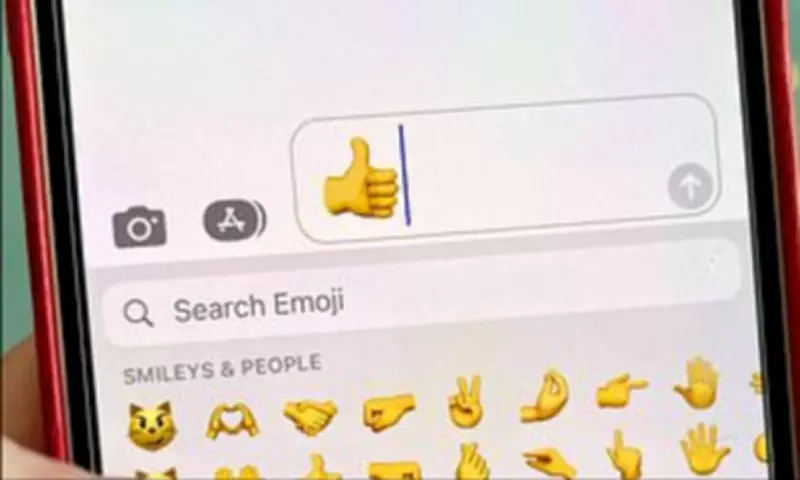
The poll identified the thumbs up as the most annoying emoji, with 22 per cent of participants viewing it as blunt, lazy, and rude. It is closely followed by the controversial aubergine emoji, which some use to allude to more explicit content, and the woman dancing emoji, which leaves a fifth of people uncertain whether it signifies celebration, sarcasm, or another meaning entirely.
Other emojis that irritate Brits include the poo emoji (18 per cent), the cowboy hat face (14 per cent), and the tick (13 per cent). This ranking highlights how seemingly innocuous icons can provoke strong negative reactions in everyday communication.
Generational Divide Exacerbates Emoji Eyeroll
Age emerges as a critical factor in emoji perception, with 81 per cent of those over 50 stating that these symbols annoy them. Additionally, 72 per cent of individuals in their 50s and 60s admit to not understanding the meanings behind many emojis, pointing to a significant knowledge gap.
In stark contrast, 93 per cent of people aged between 18 and 30 report using emojis daily, illustrating a sharp generational split in digital habits. This disparity is reshaping how Brits communicate, with younger generations embracing emojis as integral to expression, while older adults often find them confusing or irritating.
Expert Insights on the Changing Landscape of Communication
Harriet Scott of Perspectus Global commented on the findings, noting, ‘What’s playful to one person can feel confusing or irritating to another. There’s a real generational gap - and it’s changing how we communicate every day.’ Her observation underscores the broader implications of emoji exhaustion, suggesting that as digital communication evolves, so too do the challenges of maintaining clarity and empathy across age groups.
This study serves as a reminder that while emojis have become ubiquitous in modern dialogue, their interpretation is far from universal, leading to potential miscommunication and frustration in both personal and professional contexts.