Gen Z's Yearning for a Pre-Digital Age
In a world dominated by smartphones and constant connectivity, a surprising trend has emerged among younger generations: a deep-seated longing for the 1990s. Content creator Mike Sheffer advocates for "going 90s," encouraging people to leave their phones at home to embrace spontaneity and serendipity, reminiscent of an era before mobile devices dictated daily life.
The Romanticised Versus the Real 1990s
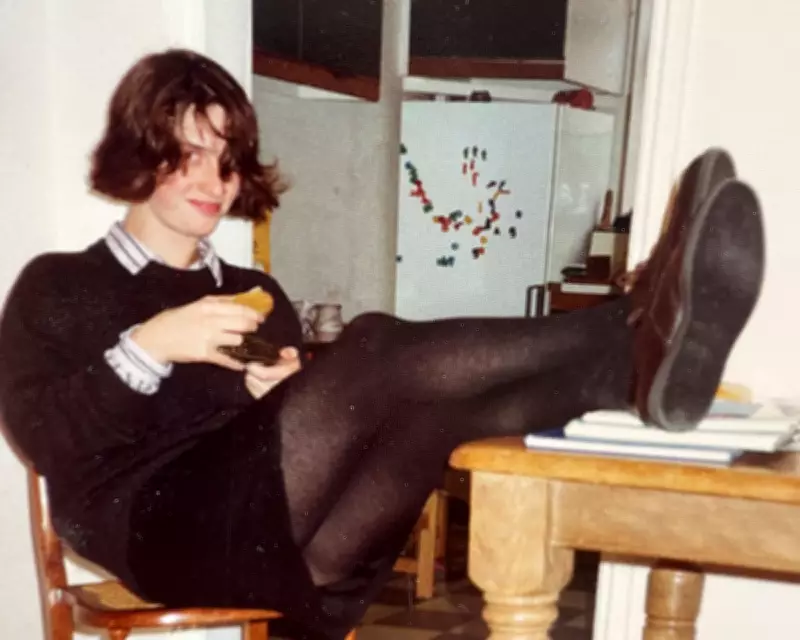
For Generation Z, the 1990s represent a golden age of analogue freedom, a time when life was less plugged in and more authentic. Social media trends like "What were you like in the 90s?" fuel this nostalgia, with celebrities and everyday individuals posting montages of a carefree decade. However, those who actually experienced the 1990s, such as Generation X, offer a more nuanced perspective.
Emma Beddington, a Guardian columnist, reflects on the reality of the era, highlighting the less glamorous aspects: waiting endlessly under a clock at M&S for a friend who never showed, trudging home late at night due to unreliable transport, or spending hours locked out after forgetting keys. These moments, far from idyllic, underscore the challenges of a low-tech lifestyle.

The Psychological Drive Behind Nostalgia
Research indicates that 60% of American Gen Z adults wish they could return to a time before everyone was "plugged in." Social psychologist Dr. Clay Routledge suggests this nostalgia might be productive, as young people mine the past to enrich their present lives by fostering appreciation for offline living. This trend could be seen as a response to an unpalatable future or a way to reclaim simplicity in a hyper-connected world.
Generation X's Fading Memories
Despite their firsthand experience, many Gen Xers like Beddington struggle to recall the 1990s clearly. The decade has become a "murky cultural, consumption and emotional soup," with details like the cost of a pint or the release of Portishead's Dummy fading into obscurity. This memory gap highlights how the 1990s have transformed into an imaginative construct, accessible to both generations.
Beddington argues that if you remember the 1990s vividly, you might not have been fully present, as the era's essence is now shaped by collective nostalgia rather than individual recollection. She encourages Gen Z to embrace this constructed version, finding inspiration in elements like Mandela, the macarena, CDs, and landlines.
Embracing the Analogue Spirit
Ultimately, the "going 90s" movement represents a desire for freedom from digital surveillance and algorithmic prompts. Whether it's discovering things organically or having the liberty to make mistakes unobserved, this trend underscores a broader cultural shift towards valuing offline experiences. As Gen Z vibe-mines the past, they redefine what it means to live in the moment, blending nostalgia with contemporary aspirations for a more balanced, low-tech existence.