Letterboxd's Reviewing Craze Transforms Cinema Etiquette and Sparks Debate
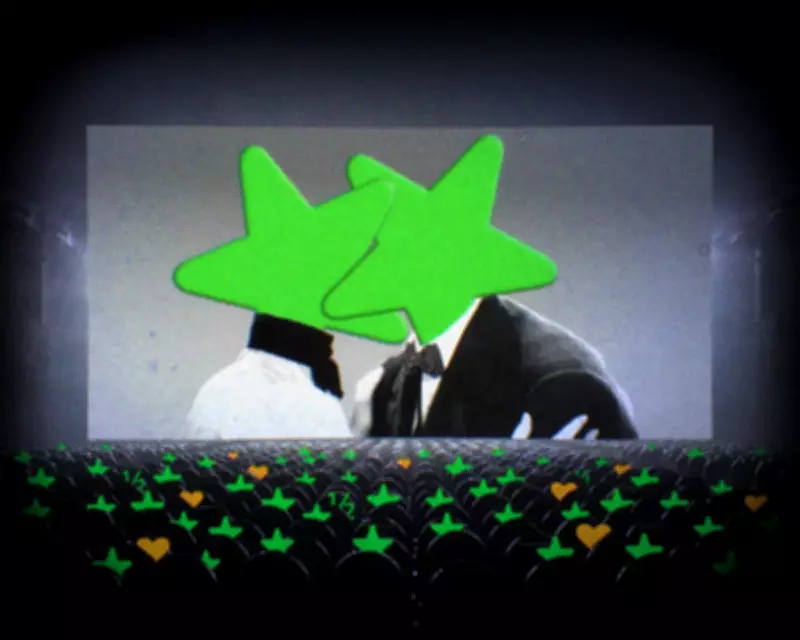
The popular film-logging app Letterboxd, with over 26 million users, is reshaping cinema etiquette as avid cinephiles increasingly pull out their phones during credits to jot down immediate reviews. This trend is sparking discussions among moviegoers and theater staff about appropriate behavior in darkened auditoriums.
Immediate Reflections and Addictive Habits
Ben Glidden, a 33-year-old marketing professional from New York, encapsulates the sentiment of many users: "[Writing Letterboxd reviews] is a bit of an addiction." He believes that reflecting on a film right after viewing enhances the artistic experience by helping to grasp key messages before they fade. Similarly, Josh Stern, a 20-year-old student who attended 182 films last year, always writes his reviews from his seat to maintain coherence, though his girlfriend finds it frustrating.
This practice aligns with advice from the late filmmaker David Lynch, who urged capturing ideas instantly to avoid losing them. For Letterboxd enthusiasts, the credits have become a prime time for this, with Stern arguing, "When you pay for a movie ticket, credits are a part of the movie."

Changing Behaviors and Industry Impact
The app's influence extends beyond personal habits, reviving excitement in a film industry facing production declines and unemployment. Letterboxd's demographic, heavily skewed towards users aged 18 to 35, makes it a coveted platform for brands. Hype around new releases generates flurries of activity, such as the viral review for Emerald Fennell's Wuthering Heights that garnered over 50,000 likes.
Raphael Martinez, a 43-year-old theater manager in Chicago, notes that immediate reviews on Letterboxd serve as effective advertisements, helping gauge community reaction and draw audiences. He contrasts this with the passive waiting for Marvel post-credit scenes, finding the current engagement more vibrant and interactive.
Etiquette Debates and Mixed Reactions
Not all reactions are positive. Dakota Chester, a 28-year-old social media worker, criticizes those who use the app during the film itself, calling it annoying. Theater employees have voiced concerns on social media, urging users to write reviews in lobbies or cars to avoid delaying cleaning schedules. Courtney Mayhew, a Letterboxd representative, acknowledges the impulse to capture fresh thoughts but emphasizes that phone use during the actual film remains unacceptable.
Meanwhile, some users prefer to let films marinate. Irene Vasquez, a 22-year-old film student, values sitting with a movie to absorb it fully, expressing frustration at the gamification of movie-watching that encourages rapid ratings. This divide highlights how Letterboxd is altering traditional film criticism, with its user-generated content often driving conversations among young people more effectively than professional reviews.
A New Era for Cinema Culture
As cinema etiquette evolves from the days of silent film shocks to modern-day distractions, Letterboxd's role is undeniable. It fosters community through shared reviews and discussions, yet challenges norms with its immediate, phone-based interactions. Whether seen as a revival of film enthusiasm or a disruption to theater decorum, the app is undeniably changing how we experience and reflect on movies in the digital age.