The Rise of 'Posture Parenting' on Social Media
In recent weeks, a peculiar trend has swept across social media platforms, leaving many observers baffled. Parents are increasingly sharing photographs of their children with their faces obscured by emojis—ranging from simple hearts and smileys to more whimsical symbols like red devils. This practice, dubbed 'posture parenting' by journalist Sierra Tishgart, has sparked a viral debate about privacy, performance, and parenting in the digital age.
Celebrity Influence and Performative Privacy
The trend appears to have trickled down from Hollywood and high-profile figures, making it a mainstream phenomenon. Notable examples include Blake Lively, Orlando Bloom, Kristen Bell, and Kourtney Kardashian, who have all used emojis to hide their children's faces in online posts. Even Mark Zuckerberg, the founder of Facebook, has adopted this approach with his two children, a move that some find unsettling given his longstanding assurances about social media safety.
In one particularly notable instance, Meghan and Harry placed large pink hearts over the faces of their children, Archie and Lilibet, during a Disney trip last year. While intended as a security measure, critics argue that such gestures are largely symbolic and ineffective. As Claire Cohen points out, if privacy is a genuine concern, why share the images at all? This contradiction lies at the heart of the 'posture parenting' critique.

The Message Behind the Emojis
Cohen suggests that this trend sends a mixed message: it showcases a 'perfect family' enjoying life while simultaneously claiming to protect children's privacy. "It's like saying, 'look at my perfect family having fun and making memories, but don't look too closely because we really care about our children's privacy, okay?'" she writes. This performative aspect can come across as smug or self-congratulatory, inviting judgement rather than admiration.
Over the recent bank holiday, Carrie Johnson shared an Instagram photo with her four children on the steps of their Oxfordshire home, each face covered by a heart. While she has expressed understandable worries about her children being identified due to their connection with Boris Johnson, the decision to post such images raises questions about intent. Is it about sharing a moment or about curating an image of conscientious parenting?
Alternatives and Parental Choices
Cohen advocates for a more straightforward approach: parents should pick a lane. If they are comfortable sharing photos of their children, they should do so openly. If privacy is a priority, they should refrain from posting images altogether. Some parents, she notes, announce newborns with unidentifiable photos but stop sharing as children grow older—a practice she respects as a genuine balance.
However, the repeated sharing of emoji-faced children feels different. It can seem like a performance of concern for followers, while still seeking validation through likes and comments. "It's like performing concern for your followers, while still reaping the validation of likes and comments," Cohen observes. This duality is what makes the trend so contentious.
Less Intrusive Methods and Final Thoughts
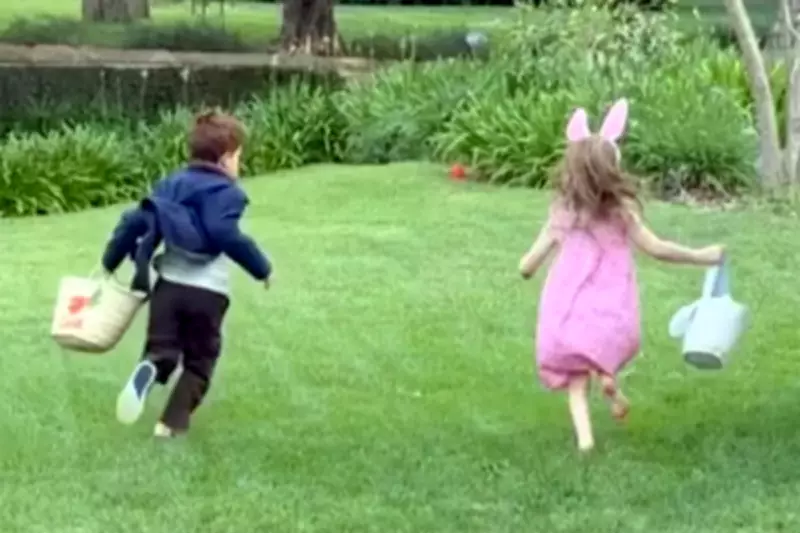
There are less showy alternatives, such as photographing children from behind or the side, as the Duchess of Sussex has done recently. These methods might be genuinely safer, as emojis can be removed with digital tools, potentially exposing children's identities. Cohen admits that her critique might say more about her own perceptions than about the parents sharing these images. After all, the practice isn't harmful—it's just a bit smug, which, in the world of parenting, can be seen as the worst crime of all.
Ultimately, the debate over 'posture parenting' highlights broader issues about digital footprints, celebrity culture, and the pressures of modern parenting. As social media continues to evolve, so too will the ways in which parents navigate the fine line between sharing and protecting their children's lives.