The Allure of the 'Tradwife' Lifestyle on Social Media
My journey into the world of wedding dresses began with a deep dive into the reality show Say Yes To The Dress, where women from across the United States visit Kleinfeld Bridal in New York to be transformed into elegant, cake-like brides. As a 52-year-old workaholic who married in a £45 black dress from Peacocks over a decade ago, I never expected to be captivated by this spectacle. Yet, I am far from alone; the show has reached its 23rd season, and my Instagram feed is now flooded with images of extravagant Victorian gowns featuring full-crinoline oyster silk and dramatic balloon sleeves.
How Algorithms Are Pushing the 'Tradwife' Ideal
Despite my personal history, the social media algorithm seems intent on radicalising me into embracing the 'tradwife' movement. These 'traditional wives' populate platforms with curated photos of their seemingly flawless domestic lives. The core creed of the online tradwife is submission to her husband, eschewing paid employment to focus on homemaking and childcare. This movement has spawned various subsets, each with its own distinct aesthetic.
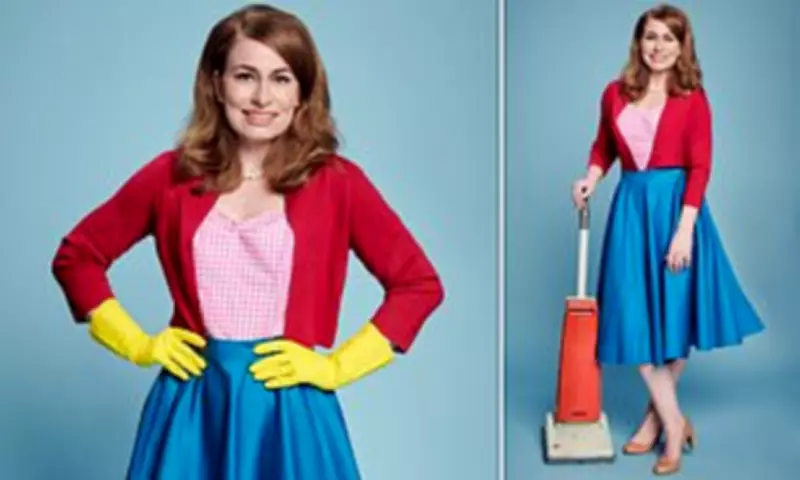
You might encounter an urban tradwife channelling 1950s glamour with curlers, scarlet lipstick, and an apron; a rural tradwife showcasing a polished farm in the American West, complete with vegetable gardens, gingham dresses, and a fixation on butter; or a high-fashion tradwife flaunting a £100,000 kitchen, Dior attire, and a wooden spoon as a prop. Over the past five years, the internet—amplified by Covid lockdowns—has propelled tradwifism into the spotlight, turning it into a viral phenomenon.

The Mother Superior of Tradwifism: Hannah Neeleman
The undisputed leader of this movement is Hannah Neeleman, whose Ballerina Farm Instagram account boasts an impressive 10 million followers. Her content depicts a idyllic life of baking, jam-making, and raising eight well-behaved children dressed in pastel hues on a Utah homestead. Like many in this sphere, Neeleman has successfully monetised her fan base through an online store, blending nostalgia with modern entrepreneurship.
A Reality Check: The Dark Underbelly of Tradwifism
However, the movement recently faced a stark reality check. A study published in Psychology of Women Quarterly by the University of Nevada challenged the foundational myth that tradwives are guided and protected by benevolent husbands. Instead, the research revealed underlying 'hostile sexism,' with many husbands viewing women as manipulative, lazy, and in need of control. This finding starkly contrasts with the 'benevolent sexism' often portrayed, offering a sobering gift to tradwives as they craft their Easter nests for TikTok.
As an emancipated woman with legal and reproductive rights, I struggle to sympathise with those who romanticise a return to theocratic ideals, mistaking it for a shopping spree. When considering the plight of enslaved women in Afghanistan, such desires seem perplexing. Alena Kate Pettitt, a British intellectual within the tradwife community, acknowledges that the movement has evolved into an aesthetic, become politicised, and morphed into 'its own monster.'
The Roots and Appeal of Tradwifism
Originally, tradwifism stemmed from a genuine yearning among women for emancipation on their own terms, distinct from mainstream feminist narratives. Many women naturally desire to stay home and care for their children, a valid choice that elite feminism has sometimes failed to affirm clearly. A recent King's College London report indicates that fewer than eight percent of women actually want to adopt the tradwife lifestyle, yet 79 percent are drawn to the 'calm, relaxed lifestyles' it portrays.
My own fixation with Victorian wedding dresses places me in this latter camp, but it does not translate to a desire to wear them. The report concludes that tradwifism is a fantasy fueled by 'the systemic strain experienced by the younger population, especially parents, juggling demanding jobs with intensive parenting responsibilities.' It parallels the working woman's fascination with Jane Austen heroines and their seemingly effortless, work-free existences—though Austen's characters never faced the grim reality of childbirth mortality.

Tradwifism as Consumer Feminism
Despite its misogynistic undercurrents, the movement boasts a marketable aesthetic, functioning as a decadent strain of consumer feminism. I recall my Cath Kidston ironing board cover, now burnt, and an apron I never use due to my dislike of cooking. Recently, in Marks & Spencer, I marvelled at maxi skirts and blouses with expansive collars, realising that those advocating for shared childcare responsibilities often dress in a manner reminiscent of Mormons.
Initially, I suspected tradwifism might be a sexual fetish. Now, I view it as a complex blend of misogyny, consumerism, and rage-baiting aimed at workaholic feminists. Yet, it is crucial to acknowledge that being an Instagram-perfect stay-at-home mum is undoubtedly arduous work. Checking Hannah Neeleman's Ballerina Farm page this morning, she appeared visibly exhausted, a reminder that behind the curated images lies real effort and challenge.